
News
Tram derails in Milan, leaving one dead and dozens injured

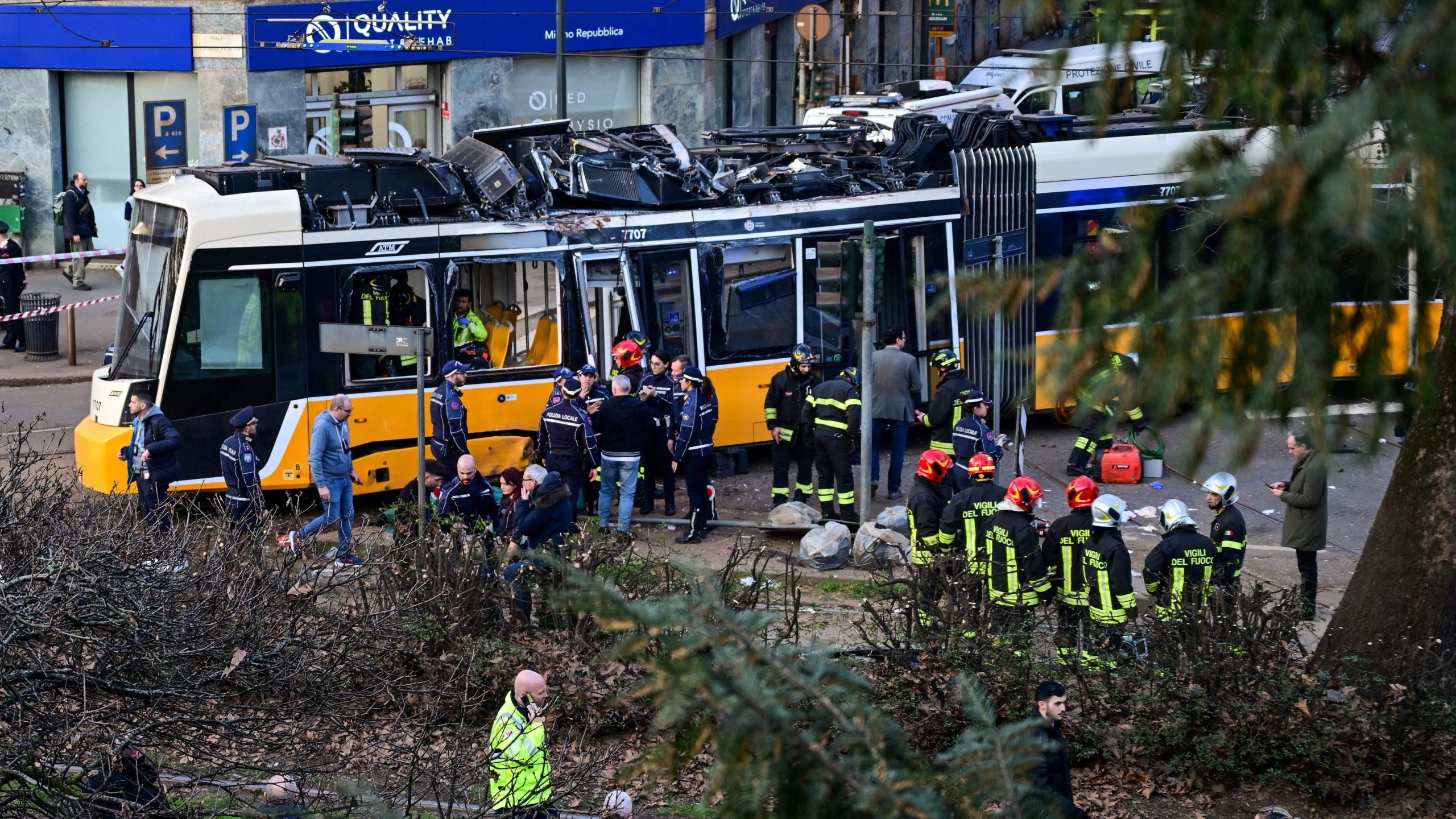
A tragic tram derailment in Milan has resulted in the loss of one life and left at least 39 others injured, some seriously, following an accident that unfolded in the heart of the northern Italian city.
The crowded tram was operating on the Line 9 route along Viale Vittorio Veneto at approximately 16:00 local time when it suddenly left the tracks and crashed into a nearby building.
Initial reports indicate that the person who died was a pedestrian struck during the derailment, while most of the injured were passengers on board. Emergency services responded rapidly, deploying multiple ambulances and civil protection teams, who have since set up a medical assistance tent at the scene to treat victims.
Passengers described a frightening sequence of events, recalling a loud noise beneath the tram moments before it veered off course, accelerated, and collided with a structure.
One passenger told Italian media the experience felt like an earthquake, explaining that the sudden jolt threw people to the floor.
As the tram came off the tracks, it reportedly struck a traffic light before crashing into the window of a restaurant. A delivery rider waiting at the signal and a pedestrian nearby narrowly avoided injury.
Witnesses in nearby buildings described hearing a powerful impact, with some seeing part of the tram lodged into a shopfront.
Authorities have yet to confirm the cause of the derailment, though early media reports suggest the vehicle may have taken a sharp bend too quickly while turning out of Viale Vittorio Veneto.
Giuseppe Sala, the city’s mayor, visited the crash site alongside other officials as investigations began.
Transport operator ATM expressed deep shock over the incident and extended condolences to those affected.
The accident comes as Milan hosts a surge of international visitors attending the globally renowned Milan Fashion Week, adding to the urgency of the emergency response in one of the city’s busiest periods.










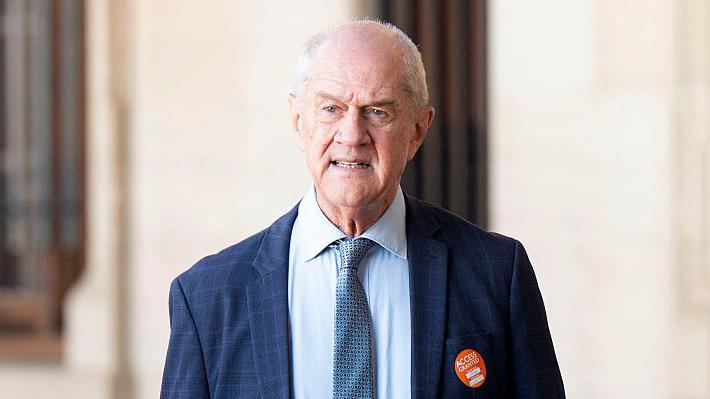
South Africa President Cyril Ramaphosa has appointed Roelf Meyer, a former senior figure in the apartheid-era government, as the country’s new ambassador to the United States.
The appointment, confirmed by presidential spokesperson Vincent Magwenya, takes immediate effect and comes at a time of strained diplomatic relations between the two nations.
South Africa has been without a top envoy in Washington since the expulsion of Ebrahim Rasool last year. His removal followed remarks accusing U.S. President Donald Trump of attempting to “project white victimhood as a dog whistle,” further deepening tensions.
Relations between the two countries have deteriorated since Trump’s return to office, with disagreements over domestic and international issues contributing to the diplomatic rift.
Meyer, 78, is best known for his role in the negotiations that led to the end of Apartheid in the early 1990s. As a senior member of the National Party, which had implemented apartheid, he served as one of the chief negotiators alongside Ramaphosa, who represented the African National Congress under the leadership of Nelson Mandela.
Meyer later served as minister of constitutional affairs in the final apartheid government and went on to join the Government of National Unity formed after South Africa’s first democratic elections in 1994. He left government in 1996 and later co-founded the United Democratic Movement before eventually joining the ANC.
A white Afrikaner, Meyer was regarded as a reformist within the National Party, though his role in dismantling apartheid led to criticism from some conservative factions within the Afrikaner community.
The appointment also comes amid controversy surrounding claims by Trump that Afrikaners are facing persecution in South Africa—allegations widely dismissed by the South African government. Ramaphosa has rejected such assertions, stating it is “completely false” that any racial or cultural group is being systematically targeted.
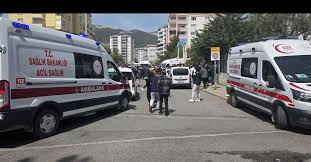
At least four people have been killed and several others injured in a shooting at a school in southern Turkey, marking the second such incident in the region in as many days.
The attack occurred at Ayser Calik Secondary School in the Kahramanmaras area, according to local media reports.
Authorities have yet to confirm the identities of those killed or provide details about the suspect. The condition and whereabouts of the attacker remain unclear as investigations continue.
Kahramanmaras Governor Mukerrem Unluer said that at least 20 people were injured in the attack, with some reported to be in critical condition.
The shooting comes just a day after another violent incident at a high school in southern Turkey, where an ex-student opened fire, injuring multiple people before taking his own life.
The motive behind Wednesday’s attack has not yet been established. Officials have launched a full investigation into the circumstances surrounding the shooting.
Turkish media reports suggest the attacker entered two classrooms armed with multiple weapons, including five guns and seven magazines, which were allegedly owned by his father.
Witnesses described scenes of chaos and panic. A reporter for Turkish broadcaster NTV said the sound of gunfire was “very intense,” with crowds gathering outside the school as emergency services responded. Footage from the scene showed ambulances transporting victims while bystanders looked on, many recording the aftermath on their mobile phones.
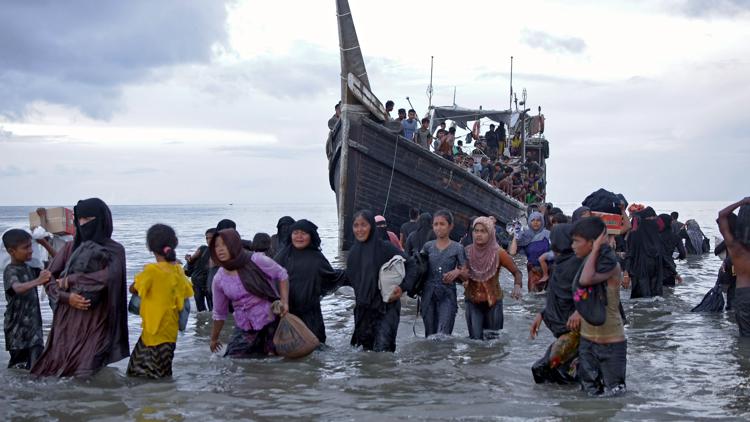
Around 250 migrants, including Rohingya and Bangladeshis, are missing after a boat capsized in the Andaman Sea last week, according to a joint statement by the United Nations High Commissioner for Refugees and the International Organization for Migration.
The overcrowded trawler had departed from Bangladesh and was heading toward Malaysia when it reportedly sank due to heavy winds and rough seas. The exact timing of the incident remains unclear.
On 9 April, a Bangladesh-flagged vessel discovered nine survivors adrift at sea, clinging to drums and wooden debris to stay afloat. The individuals were later rescued and transferred to the Bangladesh Coast Guard after being brought aboard a passing ship.
Survivors recounted that the vessel had set sail on April 4 in search of better economic opportunities abroad. However, by April 7 or 8, it was caught in a powerful storm, leaving passengers stranded in open waters for nearly two days.
One survivor, Rafiqul Islam, said he floated for approximately 36 hours before being rescued, suffering burns from spilled fuel in the process. He explained that the promise of employment in Malaysia had motivated his journey.
The migrants are believed to include members of the Rohingya community, a persecuted Muslim minority from Myanmar. Hundreds of thousands of Rohingya fled to Bangladesh following a violent military crackdown in 2017, and many continue to live in overcrowded refugee camps, particularly in Cox’s Bazar.
Despite seeking refuge in Bangladesh, difficult living conditions and limited opportunities have driven some to undertake dangerous sea crossings in hopes of reaching safer destinations.
In their statement, the UN agencies warned that the tragedy underscores the ongoing humanitarian crisis facing the Rohingya, citing prolonged displacement, deteriorating conditions in camps, and diminishing aid as key factors pushing people into such perilous journeys.
“These boats are often small, overcrowded, and lack basic necessities such as fresh water and sanitation,” the agencies noted, adding that many do not reach their intended destinations.


South Africa Appoints Former Apartheid-Era Politician as Ambassador to the US

Four Dead in Second School Shooting in Southern Turkey Within Two Days

South Korea Jails American YouTuber Johnny Somali for Public Nuisance


-

 News1 week ago
Gunman Killed in Shootout Near Israeli Consulate in Istanbul, Two Officers Injured
-
 News1 week ago
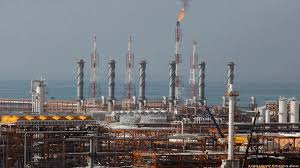
Israel Strikes Iranian Petrochemical Sites as Tensions Surge Over Hormuz Threats
-

 Entertainment1 week ago
Rapper Offset Shot Outside Florida Casino
-
 Sports1 week ago
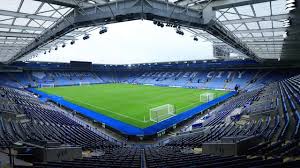
Leicester City Lose Appeal Against Points Deduction
-

 Entertainment1 week ago
Calls Grow to Block Kanye West’s UK Festival Appearance Over Antisemitism Row
-

 News1 week ago
Greece to Ban Social Media Access for Under-15s in Push to Protect Youth
-

 Entertainment1 week ago
Wireless Festival Cancelled After Kanye West Barred from Entering UK
-
 News7 days ago
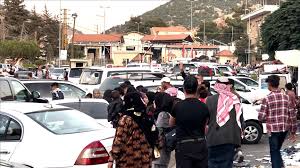
Israel Orders Evacuation in Beirut Suburbs as Safety Warnings Issued Ahead of Planned Strikes