
General
UN Warns Torture Allegations Persist in Venezuela Despite Maduro’s Removal

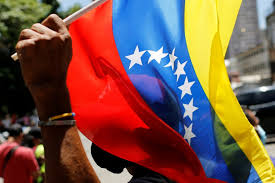
The United Nations says it has received troubling reports that detainees in Venezuela continue to face torture and mistreatment even after the removal of former president Nicolás Maduro earlier this year.
Speaking to the United Nations Human Rights Council, UN High Commissioner for Human Rights Volker Türk said allegations indicate that serious human rights abuses may still be taking place inside the country’s detention system.
Maduro was captured by United States Armed Forces during a January operation and later transferred to US custody to face charges related to narcotics trafficking.
Following his removal, former vice-president Delcy Rodríguez assumed power and has introduced an amnesty law aimed at freeing detainees. Türk welcomed the measure but warned that deeper human rights problems remain.
“Structural and systemic human rights concerns have persisted,” he said.
According to Türk, many Venezuelans remain in arbitrary detention despite the amnesty legislation passed last month. He noted that at least one child is among those reportedly being held.
Authorities in Caracas say thousands of people have been granted freedom under the new law. The Venezuelan parliament — dominated by Maduro loyalists — claims more than 7,700 individuals have been released or had restrictions lifted.
However, the prisoners’ rights organisation Foro Penal says it has been able to verify the release of fewer than 700 detainees so far and estimates that more than 500 people remain imprisoned for political reasons.
Türk highlighted the gap between official figures and independent assessments, urging the Venezuelan authorities to provide more transparency.
His office has requested an official list of detainees released under the amnesty law as well as unrestricted access to several detention facilities, but those requests have so far not been granted.
The UN also says it has received information indicating continued abuse of prisoners at detention centres including Rodeo 1 detention centre and Fuerte Guaicaipuro.
Türk’s remarks come shortly after the Independent International Fact‑Finding Mission on Venezuela updated the Human Rights Council on its latest findings.
The mission reported that Venezuela’s repressive state structures remain largely intact despite Maduro’s removal and that institutions linked to previous abuses are still operating.
In earlier investigations, the mission documented numerous cases in which detainees were subjected to torture, sexual violence and other cruel or degrading treatment inside Venezuelan detention facilities.
Venezuelan officials have repeatedly rejected such accusations, describing previous UN reports as politically motivated and driven by hostile interests.


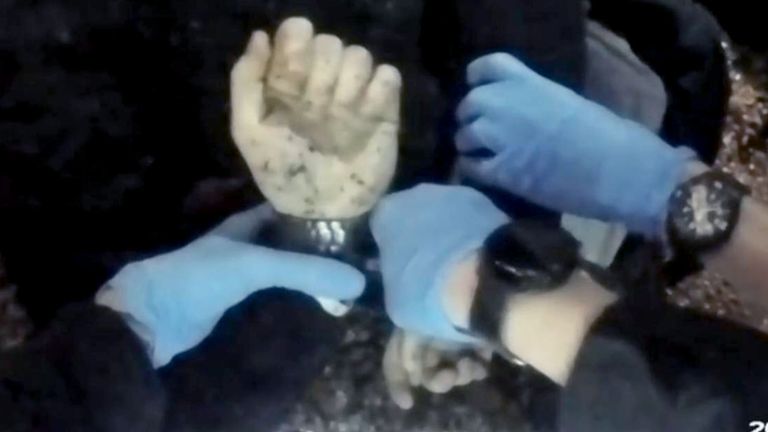
Bodycam footage played during proceedings has revealed the interaction between police officers and a man identified as Henry Nowak in the moments before he became unresponsive while being detained.
In the video, an officer is heard asking Nowak where he had allegedly been stabbed. The officer then adds: “Don’t think you have, mate.”
As officers move to place him in handcuffs, Nowak repeatedly tells them, “I can’t breathe,” making the statement three more times during the arrest.
One officer is then heard saying: “He says he’s been stabbed, so let’s just check him.” The footage appears to show the officer briefly lifting Nowak’s shirt near his waistline before he is left lying on his side.
A female officer subsequently asks: “Where do you think he’s been stabbed? In the face?”
Another officer responds: “He hasn’t been stabbed.”
Shortly afterwards, Nowak, who appears to be unresponsive in the footage, is informed that he is under arrest on suspicion of assault.
The footage forms part of the evidence being examined as investigators continue to review the circumstances surrounding the incident.
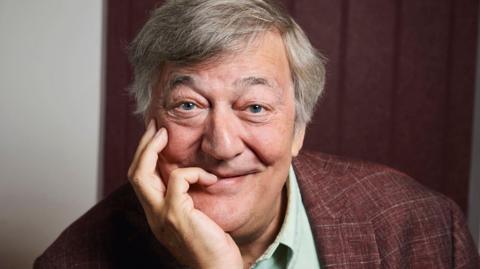
Stephen Fry has launched legal action against the organisers of a technology conference after suffering serious injuries when he fell off a stage following a keynote speech in London.
The broadcaster, actor and author is seeking up to £100,000 in damages after the accident at the CogX Festival, which took place at The O2 Arena in September 2023.
Sir Stephen, 68, said he sustained multiple injuries in the fall, including fractures to his leg, hip, pelvis and several ribs. He had been speaking at the event after being invited to deliver a keynote address focused on artificial intelligence.
Describing the incident at the time, he said: “So I broke my right leg in a couple of places and my hip and pelvis in four places and a bunch of ribs.”
He added that he felt fortunate the injuries were not even more severe, saying he had “praised my lucky stars” that he did not damage his spine or suffer a skull injury.
According to court documents filed on his behalf, Fry is bringing a personal injury claim against CogX Festival Ltd and Blonstein Events Ltd.
The filing states that after finishing his presentation and while leaving the stage through the backstage area, he fell approximately two metres from the stage onto the concrete floor below.
“The Claimant brings a claim for damages for personal injuries sustained on 14 September 2023 at the O2 Arena, London, whilst attending the CogX Festival where he had been engaged to deliver a talk on Artificial Intelligence,” the court documents state.
The legal action is focused on the circumstances surrounding the fall and whether sufficient safety measures were in place backstage at the venue.
Neither CogX Festival Ltd nor Blonstein Events Ltd has publicly responded to the claim so far.
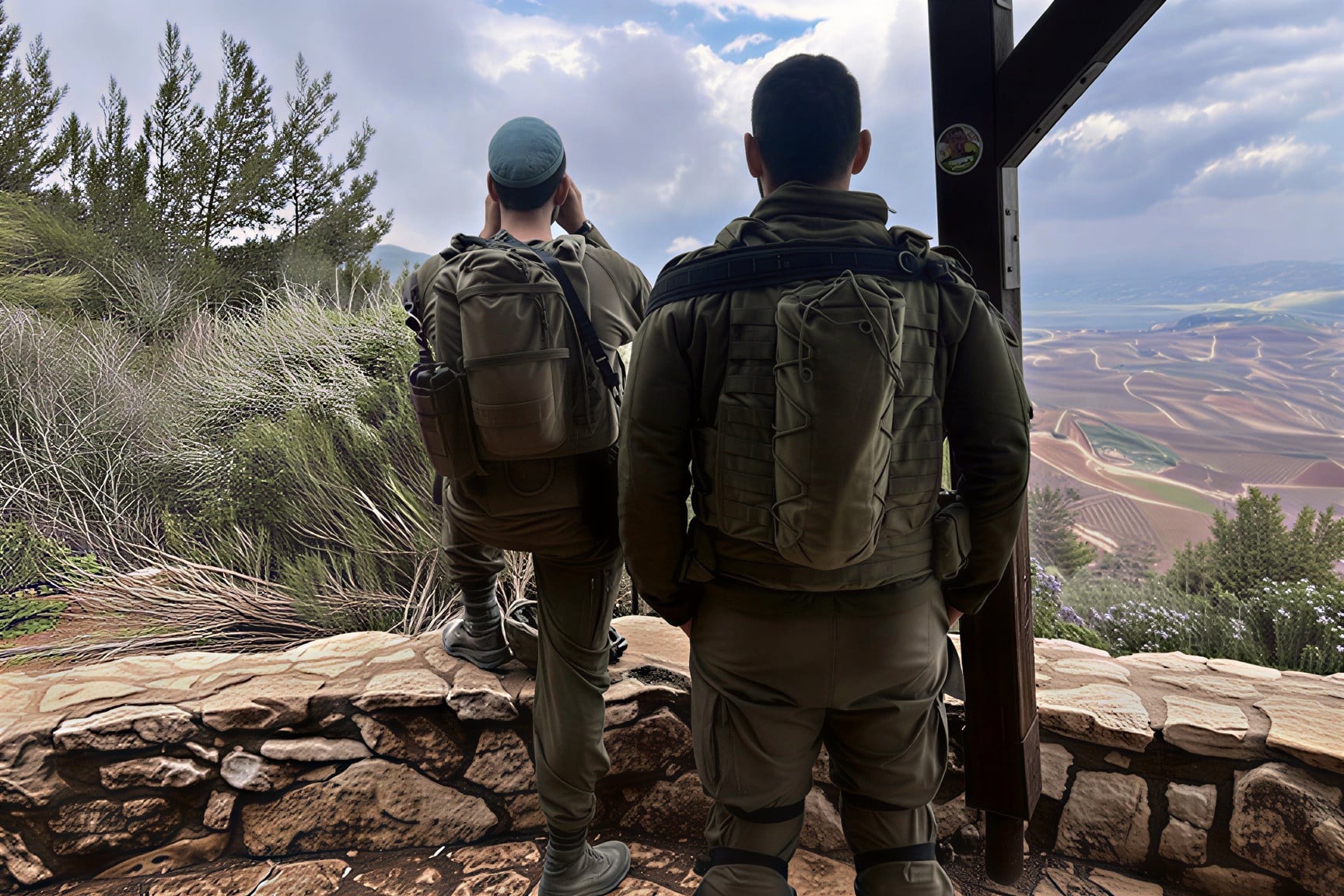
The Israel Defense Forces (IDF) has disciplined soldiers involved in the vandalism of a statue of Jesus in southern Lebanon, following widespread condemnation of the incident.
According to the IDF, the soldier who struck the statue with a sledgehammer, along with another who photographed the act, will each serve 30 days of military detention and be removed from combat duties. The military added that six additional soldiers present at the scene, who failed to intervene or report the incident, will face separate disciplinary action.
The incident occurred in the village of Debel, where an image of the damaged statue circulated widely online, sparking outrage both locally and internationally.
Israeli Prime Minister Benjamin Netanyahu said he was “stunned and saddened” by the act, as criticism mounted over the conduct of the troops.
In a statement, the IDF said its internal inquiry found the soldiers’ actions “completely deviated from IDF orders and values” and expressed “deep regret” over what happened. It added that the damaged statue had since been replaced in coordination with the local community.
The military emphasised that its operations in Lebanon are directed solely against militant groups, including Hezbollah, and not against civilians or religious sites.
Local leaders strongly condemned the act. Father Fadi Flaifel, head of the village’s congregation, described it as a desecration of a sacred symbol, saying it violated principles of respect and human rights.


China Bans Four New Zealand MPs Over Taiwan Trip

Israel, Lebanon Agree to Renew Ceasefire if Hezbollah stops attacks

Real Madrid Close to Agreement with Ibrahima Konate After Liverpool Exit


-

 Entertainment5 days ago
KSI Announces Departure from Sidemen After 13 Years
-

 Sports1 week ago
Manchester United Move Closer to Signing Ederson in £38m Midfield Deal
-

 Sports1 week ago
Sinner Shock Exit Blows French Open Wide Open After Five-Set Defeat
-
 News1 week ago
Israeli Strike Hits Beirut as Tensions Escalate Despite Ceasefire
-
 News1 week ago
New Hamas Military Commander Killed in Gaza City Strike
-

 Sports6 days ago
Paris Saint-Germain Retain Champions League Crown After Shootout Victory Over Arsenal
-
 News3 days ago
Police Conduct Under Review After Murder of Southampton Student Henry Nowak
-
 News3 days ago
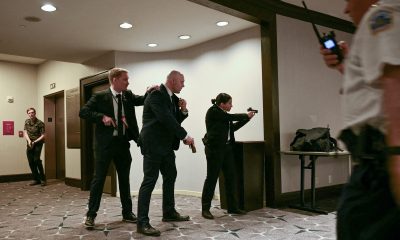
White House Correspondents’ Dinner Rescheduled Following Security Incident