
News
Gunman Killed in Shootout Near Israeli Consulate in Istanbul, Two Officers Injured

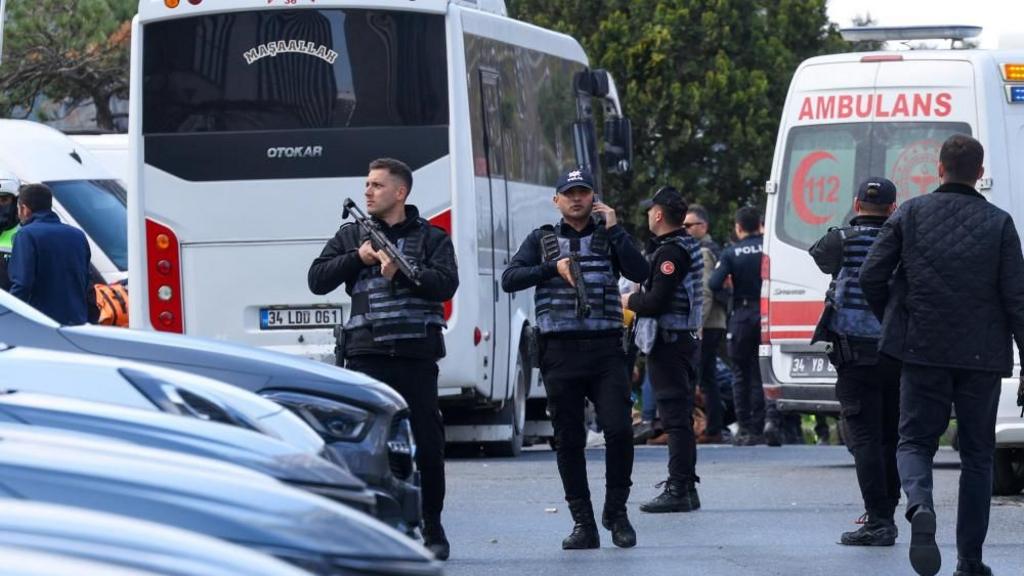
A gunman has been killed and two suspects injured following a shootout near the Israeli consulate in Istanbul, in what Turkish authorities have described as a terrorist attack.
Turkish President Recep Tayyip Erdogan condemned the incident as a “heinous act of terror,” vowing that such attacks would not undermine national security. Interior Minister Mustafa Ciftci confirmed that two police officers were also injured in the exchange of gunfire, though their injuries were not life-threatening.
According to officials, the attackers had travelled to Istanbul from the city of Izmit in a rental car, with two of the suspects identified as brothers. The interior ministry named the deceased gunman as Yunus E.S., stating that he had links to a terrorist organisation “that exploits religion,” a phrase widely understood to refer to the Islamic State group. No organisation has officially claimed responsibility for the attack.
Authorities clarified that only one attacker was killed, correcting earlier reports that suggested two fatalities. The two injured suspects, identified as Onur Ç and Enes Ç, remain in custody as investigations continue.
Officials said the attackers were armed with rifles and pistols and engaged police in a gunfight in broad daylight near the consulate, located in Istanbul’s central Besiktas district. Footage circulating on social media appears to show the moment one of the gunmen was shot by police.
Governor Davut Gul confirmed that no Israeli diplomatic staff were present at the consulate at the time of the incident. The building has reportedly been unoccupied for more than two years amid strained relations between Turkey and Israel over the war in Gaza.
The interior ministry said investigators had uncovered “intensive digital communication” between the suspects and that interrogations of the wounded attackers were ongoing.
“We will not allow the climate of trust in Turkey to be damaged by such vile provocations,” Erdogan said, stressing the government’s determination to maintain stability.
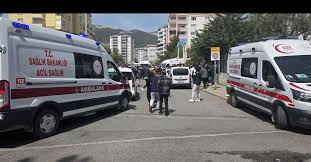








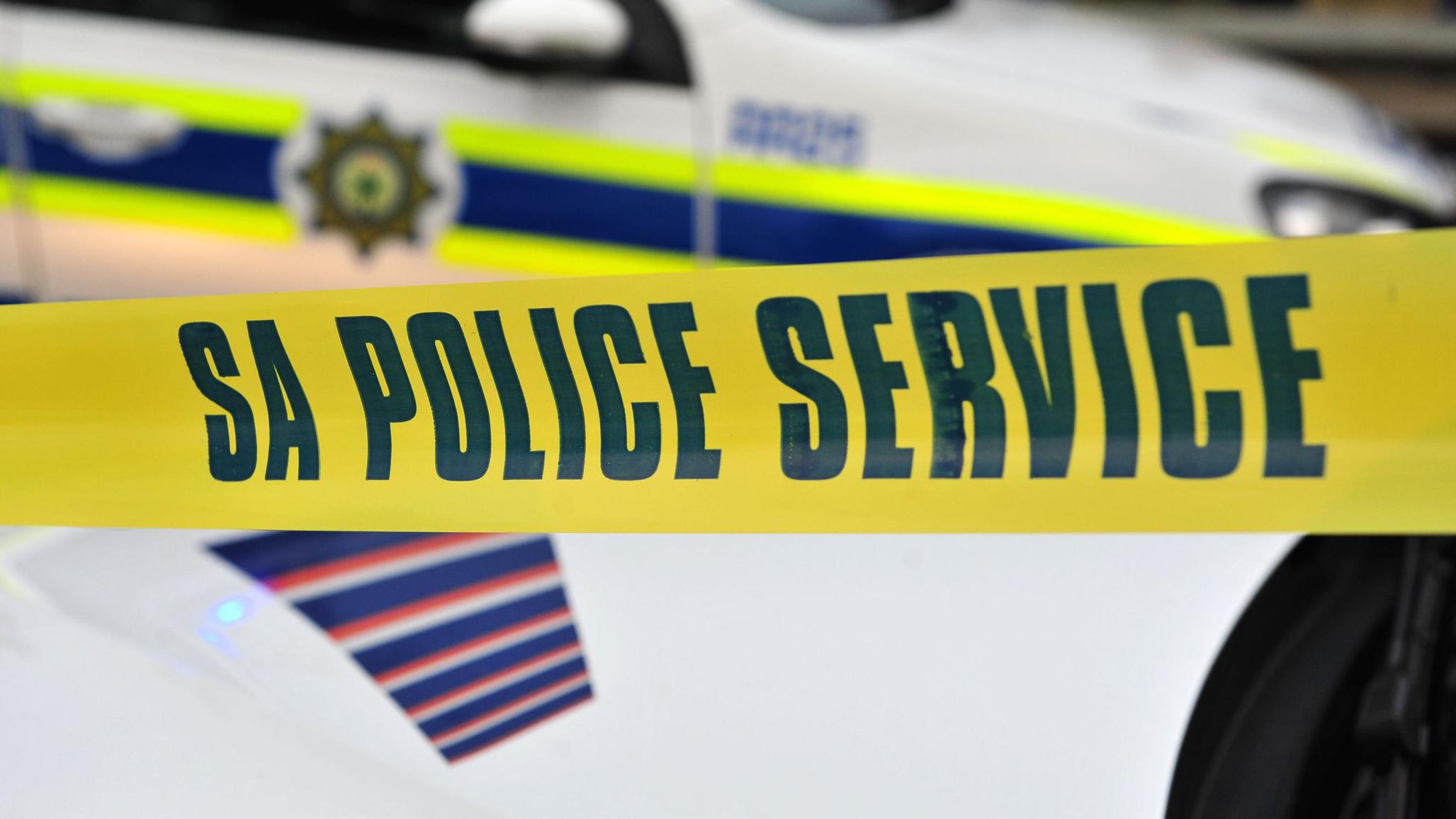
Police in South Africa have launched a major manhunt after 12 people were killed and nine others wounded in a mass shooting at an informal settlement in Johannesburg.
The attack occurred late on Tuesday night at the Jumpers Informal Settlement in Cleveland, a suburb east of Johannesburg. According to police, more than 10 heavily armed suspects entered the community and opened fire on residents before escaping in a white Toyota Quantum vehicle.
Authorities said officers responded to reports of an active shooting at about 11:10 p.m. local time. Preliminary investigations indicate that the gunmen were dropped off near a petrol station before entering the settlement through multiple access points and firing at people in different locations.
Police confirmed that eight men and three women died at the scene, while another man later succumbed to his injuries in hospital. At least nine other victims were taken to medical facilities for treatment of gunshot wounds.
Investigators are still working to determine the motive behind the attack. However, members of the local community believe the violence may be linked to ongoing turf wars involving illegal mining groups operating in the area.
During a visit to the scene on Wednesday, provincial police commissioner Tommy Mthombeni said investigators could not rule out a connection to illegal mining activities.
“As you know, this area is adjacent to the illegal mining area. We are having those suspicions,” he told reporters, describing the attack as both “heartless” and “barbaric.”
Illegal mining has become a growing challenge in South Africa, where criminal groups often target abandoned gold mines and sell extracted minerals on the black market. The trade is known for violent rivalries and clashes between competing groups.
The problem has become so serious that earlier this year, Cyril Ramaphosa deployed military personnel to assist efforts aimed at shutting down illegal mining operations in affected communities.
Mass shootings in informal settlements are not uncommon in South Africa and are frequently associated with gang-related violence, criminal disputes, and competition over illicit economic activities. Police have appealed for information from the public as efforts continue to identify and apprehend those responsible for the deadly attack.
News
Belfast Violence Escalates After Knife Attack Leaves Man Blind in One Eye, Suspect Appears in Court
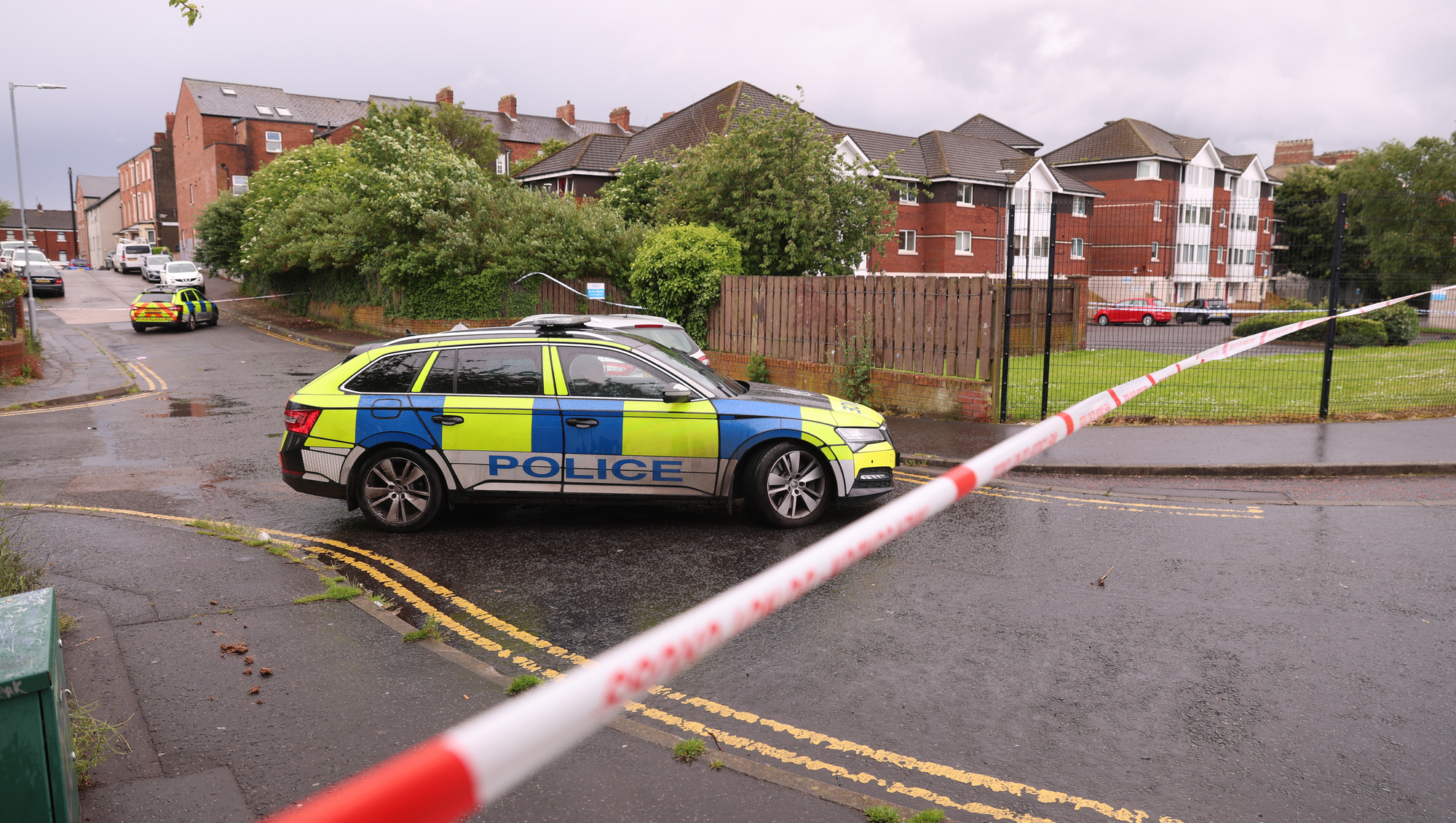
A 30-year-old Sudanese man has appeared before a Belfast court charged with attempted murder following a serious knife attack that left a man with life-changing injuries.
Hadi Alodid, of Duncairn Avenue in north Belfast, appeared via video link from Musgrave Serious Crime Suite. He faces charges of attempted murder, possession of a knife in a public place, and making threats to kill an NHS worker.
The charges stem from an incident that occurred on Kinnaird Avenue in north Belfast on Monday night. The victim, a man in his 40s, remains in hospital receiving treatment for severe injuries to his eyes, neck and back.
During court proceedings, it was revealed that the victim lost his left eye as a result of the attack. Alodid was remanded in custody pending further legal proceedings.
The incident was followed by significant disorder in parts of north Belfast on Tuesday night. Emergency services responded to multiple fires, including two vehicles set ablaze, while several properties and rubbish bins were also set on fire.
An African family became trapped inside a house after its windows were smashed during the unrest. Members of the Northern Ireland Fire and Rescue Service, assisted by a local pastor, helped bring the family to safety.
Witnesses reported that one occupant collapsed into the arms of firefighters while being evacuated. Four fire officers carried the individual to a vehicle, while the remaining family members were able to leave the property on foot, though visibly distressed by the ordeal.
Reacting to the violence, Keir Starmer described the scenes in Belfast as “shocking and completely unacceptable.”
In a statement, the Prime Minister said there could be no justification for the violence and disorder that threatened local communities, nor for those who encouraged it either online or elsewhere. He added that it was clear some individuals had been targeted because of their background and stressed that such actions would not be tolerated.
Starmer said those responsible would face the full force of the law and confirmed he had spoken with police, emergency services and political leaders in Northern Ireland. He urged calm and called on the public to allow law enforcement authorities to continue their investigations and restore order.
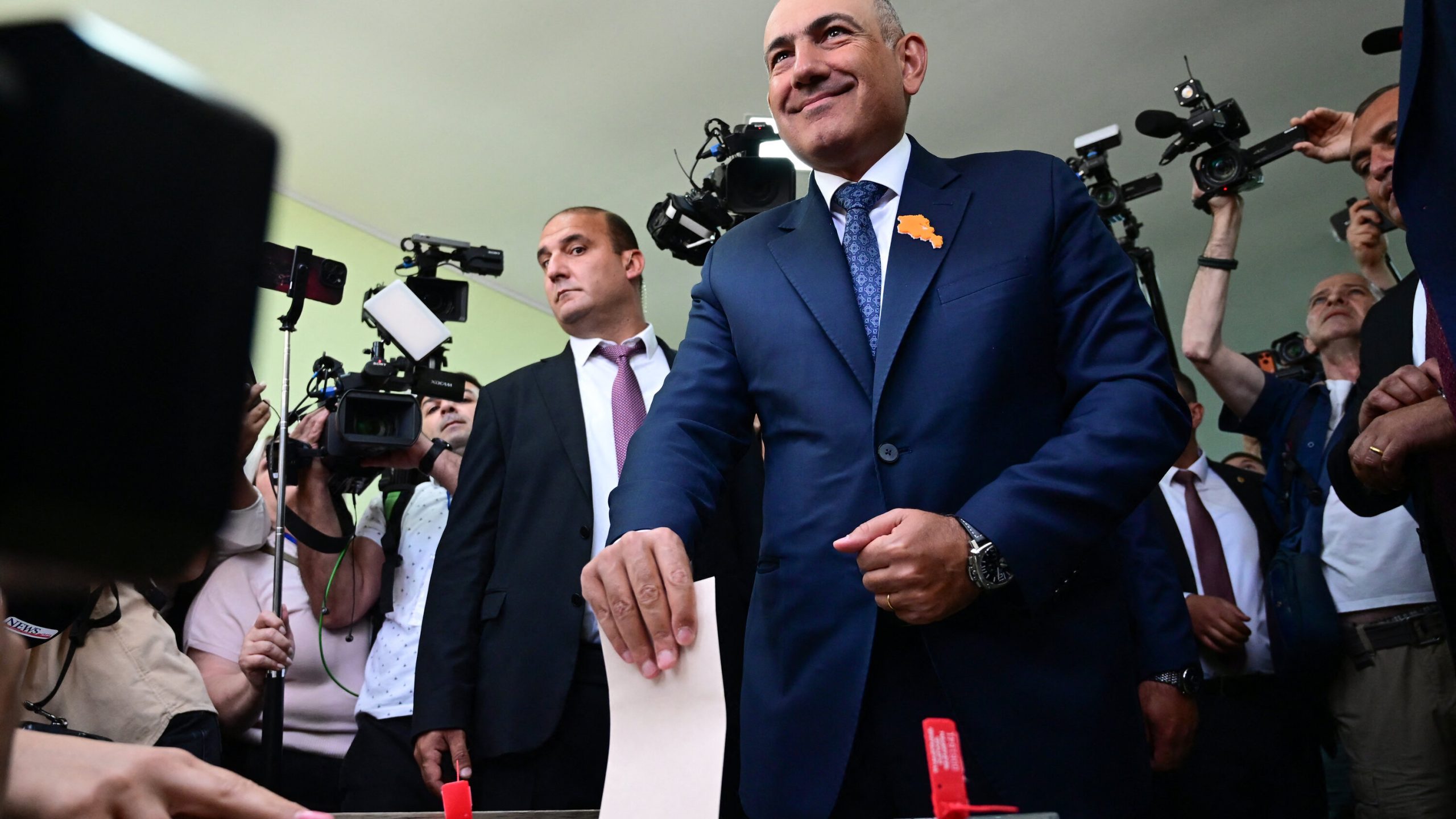
Armenian Prime Minister Nikol Pashinyan has secured a significant political victory after his centrist Civil Contract Party won a crucial general election, reinforcing his government’s efforts to strengthen ties with Western partners while maintaining relations with Russia.
According to preliminary results, Civil Contract received 49.8% of the vote, comfortably ahead of the pro-Russian Strong Armenia Alliance, which secured 23.2%. The Armenia Alliance, another opposition bloc with close ties to Moscow, finished third with 9.9%.
The election was widely viewed as a referendum on Armenia’s foreign policy direction as the South Caucasus nation seeks to deepen engagement with Europe while navigating economic and political pressure from Russia, its traditional ally and largest trading partner.
Declaring victory after the results emerged, Pashinyan said voters had endorsed a vision focused on stability and cooperation.
“The Armenian people voted for peace, regional prosperity and cooperation,” he said.
The vote was the first parliamentary election since Armenia’s defeat in the 2023 conflict with neighboring Azerbaijan over the disputed region of Nagorno-Karabakh, a development that reshaped the country’s political landscape and remains a major issue in domestic politics.
International reaction was swift, with European leaders welcoming the result. The European Union and France congratulated Pashinyan and praised Armenia’s growing cooperation with Western institutions.
Civil Contract’s victory came despite a decline in the prime minister’s popularity since his landslide win in 2021. Opinion polls before the election suggested support for Pashinyan had fallen to around 30%, largely due to public dissatisfaction over the handling of the Nagorno-Karabakh crisis.
Nineteen parties and alliances competed in the election, though only a handful gained enough support to enter parliament. Voter turnout reached 59%, according to electoral authorities.
Among the opposition groups, the Strong Armenia Alliance was led by Russian-Armenian businessman Samvel Karapetyan, while the Armenia Alliance was headed by former Armenian president Robert Kocharyan. Both have advocated closer ties with Moscow.
Despite pursuing stronger links with Europe, Pashinyan emphasized that Armenia would continue participating in the Russian-led Eurasian Economic Union (EAEU).
“We will continue the course of rapprochement with the West, but we will also continue our participation and membership in the Eurasian Economic Union,” he said.
The election took place against a backdrop of increasing pressure from Russia. In recent months, Russian President Vladimir Putin urged Armenia to clarify its long-term strategic direction and highlighted the economic advantages the country receives through its membership in the EAEU.
Moscow has also underscored Armenia’s dependence on discounted Russian energy supplies and recently imposed restrictions on imports of several Armenian products, including flowers, mineral water, cognac, fruits and vegetables.
Since coming to power in 2018, Pashinyan has sought to reduce Armenia’s reliance on Russia by advancing legislation aimed at beginning the process of closer integration with the European Union and by pursuing a US-backed peace process with Azerbaijan.
His government also hosted a major gathering of European leaders and Ukrainian President Volodymyr Zelensky in Yerevan earlier this year, further signaling Armenia’s growing engagement with Western partners.
However, Armenia remains far from EU membership, and the country has not yet obtained official candidate status.
At home, Pashinyan continues to face criticism from opponents who blame him for concessions made during efforts to normalize relations with Azerbaijan following the loss of Nagorno-Karabakh. Many critics remain angered by his approach to negotiations and his handling of issues involving former leaders of the region who remain imprisoned in Azerbaijan.
Nevertheless, the election result provides Pashinyan with a renewed mandate to continue balancing Armenia’s complex relationships with both the West and Russia while pursuing regional stability and economic development.


Twelve Killed in Deadly Johannesburg Settlement Shooting

Belfast Violence Escalates After Knife Attack Leaves Man Blind in One Eye, Suspect Appears in Court

Somali Referee Omar Artan Denied Entry to United States Ahead of 2026 World Cup


-

 News1 week ago
Police Conduct Under Review After Murder of Southampton Student Henry Nowak
-
 News1 week ago
White House Correspondents’ Dinner Rescheduled Following Security Incident
-

 Sports4 days ago
Eriksen Recovering Well After On-Field Collapse, Doctor Confirms
-

 Sports4 days ago
My 2026 FIFA World Cup Predictions: Who Will Qualify From Each Group?
-
General1 week ago
Bodycam Footage Reveals Final Moments Before Arrested Man Became Unresponsive
-

 News1 week ago
China Bans Four New Zealand MPs Over Taiwan Trip
-
 News6 days ago
Hegseth Criticises Europe’s Migration Policies in D-Day Speech
-

 Sports1 week ago
Real Madrid Close to Agreement with Ibrahima Konate After Liverpool Exit