
General
South Korea’s ex-president jailed for life over martial law attempt

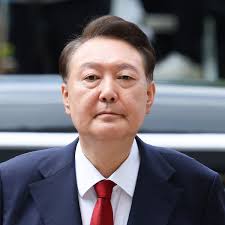
South Korea has entered a new chapter in its democratic journey after former president Yoon Suk Yeol was sentenced to life imprisonment for orchestrating an insurrection through an attempted imposition of military rule.
A court in Seoul ruled that Yoon sought to undermine constitutional order by deploying military forces to seal off the National Assembly of South Korea and ordering the detention of political opponents on 3 December 2024. Presiding judge Ji Gwi-yeon said the actions caused profound harm to the nation’s democratic foundations and warranted severe punishment. Prosecutors had pushed for the death penalty.
Although the martial law order lasted only a few hours before being overturned by lawmakers, its aftermath has reshaped the political landscape. Large crowds of Yoon’s supporters gathered outside the court ahead of sentencing, holding banners and expressing hope for his return. Across from them stood demonstrators demanding the harshest penalty.
Yoon remained composed as the ruling was delivered. His legal team rejected the judgment, claiming it lacked evidentiary basis and accusing the court of bias. An appeal from either side would move the case to the Supreme Court of Korea, potentially extending legal proceedings for months.
The crisis began when Yoon announced martial law during a televised address, citing the need to defend the state from forces he alleged were sympathetic to North Korea. However, the move unfolded against a backdrop of mounting domestic pressure, including legislative gridlock and corruption allegations involving his wife.
Lawmakers ultimately forced their way into the National Assembly to reverse the decree, triggering a period of political upheaval that led to Yoon’s impeachment and multiple prosecutions of senior officials.
The court has already handed down significant sentences to others implicated in the plot. Former prime minister Han Duck-soo received a 23-year prison term, while former defence minister Kim Yong-hyun was jailed for 30 years after advising the martial law order.
Additional convictions have followed for key figures including ex-interior minister Lee Sang-min, former intelligence commander Roh Sang-won, and ex-police chief Cho Ji-ho—with judges describing the episode as an “insurrection from the top”.



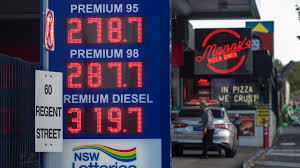
Authorities in Australia have rolled out emergency cost-of-living measures—including halving fuel taxes and offering free public transport in some states.
The federal government, led by Prime Minister Anthony Albanese, announced a temporary cut to the fuel excise tax, reducing it by 26.3 cents per litre for petrol and diesel over three months. The move is expected to save motorists between A$10 and A$20 per tank, though it will cost the government about A$2.55bn.
The spike in fuel prices has been driven by the ongoing conflict involving Iran, Israel, and the United States, alongside disruptions to shipping through the Strait of Hormuz—a critical corridor for around 20% of the world’s oil and gas.
At the state level, Victoria has announced free travel on trains, trams, and buses throughout April. Premier Jacinta Allan said the measure aims to ease pressure on households and reduce fuel demand.
Similarly, Tasmania will provide free public transport—including buses, coaches, and ferries—until the end of June. Premier Jeremy Rockliff said the policy is designed to shield residents from rising living costs, with additional savings for families using school transport services.
However, other states have stopped short of adopting similar measures. In New South Wales, Transport Minister John Graham said offering free public transport would impose significant daily costs, arguing funds must be preserved for longer-term economic resilience.
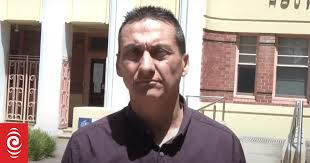
Australian police have shot and killed a man believed to be Dezi Freeman, ending a seven-month manhunt following the killing of two officers in Victoria.
According to Victoria Police, the fatal shooting occurred after an hours-long standoff at a rural property in the state’s north-east. Authorities say the 56-year-old had been hiding since August, when he allegedly gunned down two officers at his property in Porepunkah before fleeing into surrounding bushland.
Chief Commissioner Mike Bush said officers surrounded a makeshift structure—described as a hybrid between a shipping container and a caravan—around 05:30 local time on Monday. After several hours and repeated calls to surrender, a man believed to be Freeman emerged and was shot.
Bush indicated the suspect appeared to be armed, possibly with a weapon taken from one of the officers killed in the earlier incident. He emphasised that police had intended to take Freeman into custody but that he did not surrender when given the opportunity.
Jacinta Allan described the development as the end of a dangerous chapter, stating: “Today an evil man is dead. It’s over.”
No officers were injured during the operation. As is standard procedure, the shooting will be subject to an independent investigation.
The manhunt began after the fatal shooting of two senior constables, Neal Thompson and Vadim de Waart, who had attended Freeman’s property on 26 August as part of an investigation into alleged sex offences.
Police said the families of the slain officers were informed first about the outcome of the operation. Formal identification of the deceased is still pending, though authorities say confirmation is expected within 24 to 48 hours.
If confirmed, officials say the development will bring a measure of closure to a case that has deeply affected the local community and law enforcement agencies.
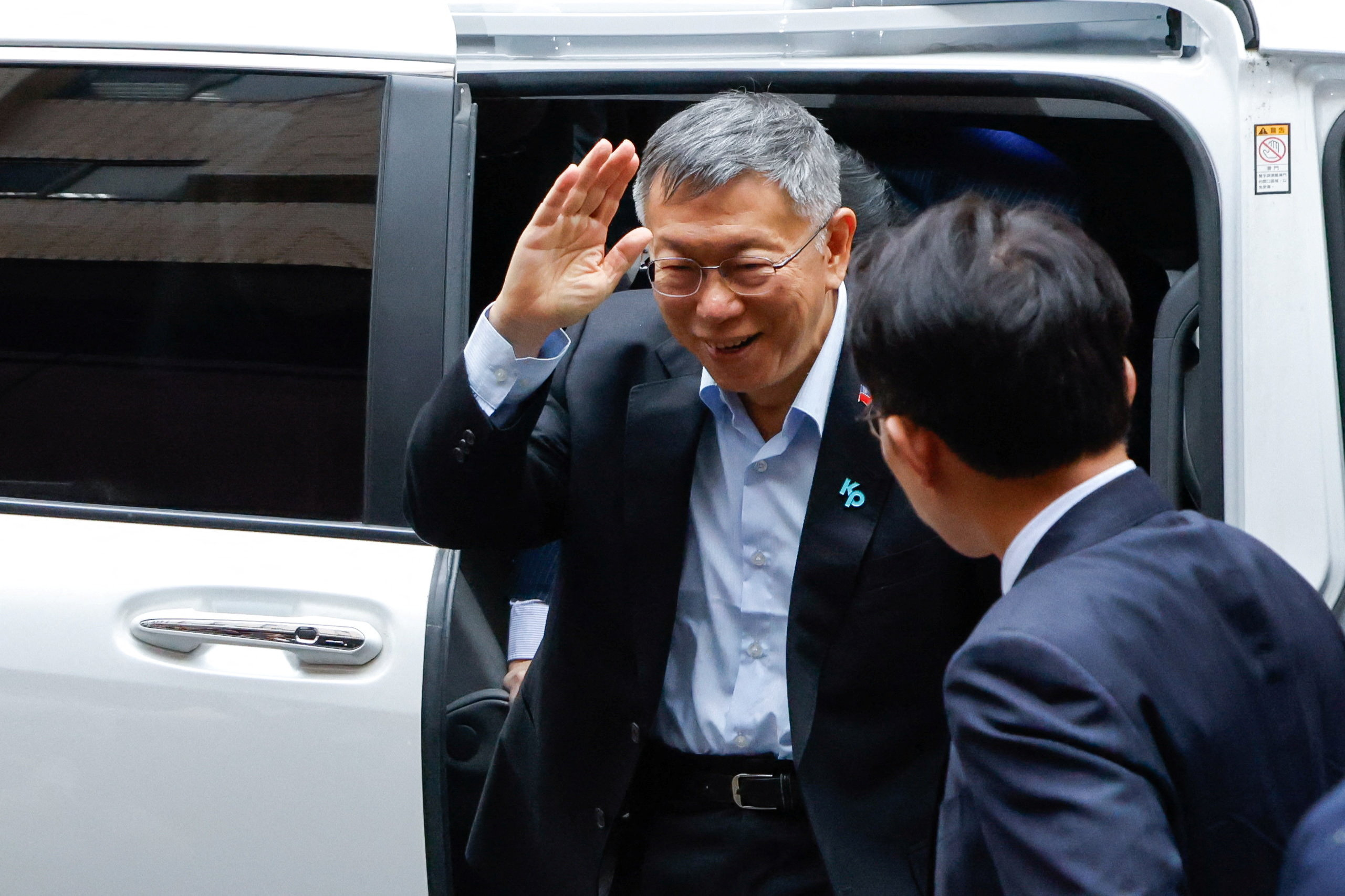
A court in Taiwan has sentenced former Taipei mayor Ko Wen-je to 17 years in prison after finding him guilty of corruption and misuse of political donations.
Ko, 65, was accused of accepting more than NT$17.1 million ($535,000; £400,000) in bribes linked to a real estate deal during his time in office, as well as misreporting campaign finances during his 2024 presidential run. Prosecutors had initially sought a sentence exceeding 28 years.
The former mayor, who founded the Taiwan People’s Party (TPP), has consistently denied any wrongdoing. Party chairman Huang Kuo-chang previously described the charges as politically motivated.
Ko was arrested in 2024 but had been released on bail since September. His conviction marks a dramatic turn for a figure once seen as a rising force in Taiwanese politics.
In the 2024 presidential election, Ko emerged as a strong third-party contender, securing more than 25% of the vote. He finished behind Lai Ching-te of the ruling Democratic Progressive Party (DPP), who won with about 40%.
Ko built his political identity as an alternative to Taiwan’s two dominant parties, often criticising the DPP for heightening tensions with China, while also accusing the opposition Kuomintang (KMT) of being overly accommodating toward Beijing.
Despite finishing third, analysts viewed his strong electoral performance as evidence of growing public appetite for a more pluralistic political landscape.
His arrest and trial have sparked protests among supporters, who allege the case is politically driven. Some backers have vowed to continue supporting him and push for what they describe as justice, even after the court’s ruling.
Before the verdict, Ko had indicated plans to remain active in politics and potentially run again in the 2028 presidential election.


US Army Leadership Shake-Up as Hegseth Requests Chief’s Immediate Exit

French Court Clears Muslim Gathering in Paris, Upholding Civil Liberties

Trump says US can ‘easily’ open the Strait of Hormuz


-
 General1 week ago
Ex-Taiwan presidential Candidate sentenced to 17 years for corruption
-
 News1 week ago
Ferdinand Marcos Promises Oil Supply as Philippines Declares Energy Emergency
-
 Sports1 week ago
Woods charged with driving under the influence after crash
-
 News6 days ago
Israeli Strike in Lebanon Kills Journalists as Regional Tensions Escalate
-
 Entertainment1 week ago
BTS Comeback Concert on Netflix Draws 18.4 Million Global Viewers
-

 Entertainment1 week ago
Woman Accused of Shooting at Rihanna’s Home Pleads Not Guilty
-
 News1 week ago
Dozens of Bodies, Mostly Infants, Found in Mass Grave in Kenya
-
 General1 week ago
Leigh Ryswyk Becomes First Former Australian Football League Player to Come Out as Gay