
General
Leigh Ryswyk Becomes First Former Australian Football League Player to Come Out as Gay

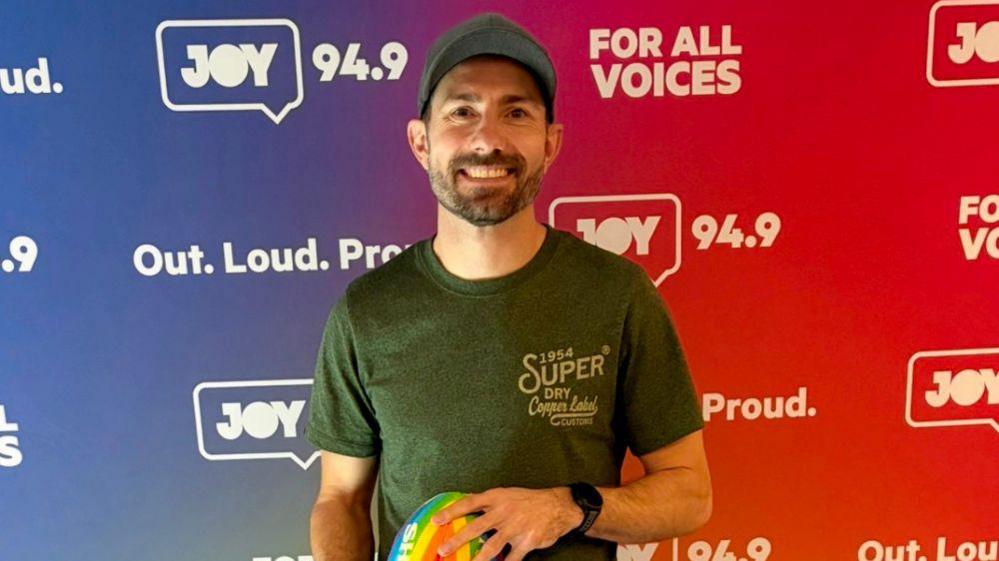
Former Australian Football League (AFL) player Leigh Ryswyk has publicly come out as gay, becoming the first man linked to the competition to do so.
Ryswyk, who played a single AFL match for the Brisbane Lions in 2005 before injuries ended his top-level career, later went on to play more than 220 games for North Adelaide Football Club in the South Australian league.
Speaking in a radio interview, the 41-year-old revealed he has been openly gay among close friends for around five years and recently shared the news publicly. He said both of his parents responded with strong support when he came out to them.
His announcement follows that of Mitch Brown, who in 2025 became the first AFL player to come out as bisexual after retiring from a career that included time with the West Coast Eagles. Until then, the AFL had been notable among major men’s professional sports leagues for never having an openly gay or bisexual player, even post-retirement.
Ryswyk expressed optimism that the sporting environment has evolved and would be supportive of any current player choosing to come out.
“I think the AFL, and the community, will wrap their arms around that player,” he said during the interview on Melbourne-based station Joy 94.9.
Reflecting on his personal journey, Ryswyk described the emotional experience of coming out to his family, saying it took several years to find the courage. He recalled heartfelt conversations with both parents, who reassured him of their unconditional support.
Despite being open within his inner circle, Ryswyk noted that he has generally kept his private life out of the public eye until now.
Originally from Victoria, he moved to Queensland to join the Brisbane Lions and made his sole AFL appearance against Fremantle in Perth. He later built a distinguished career at state level and was inducted into the AFL Queensland Hall of Fame.








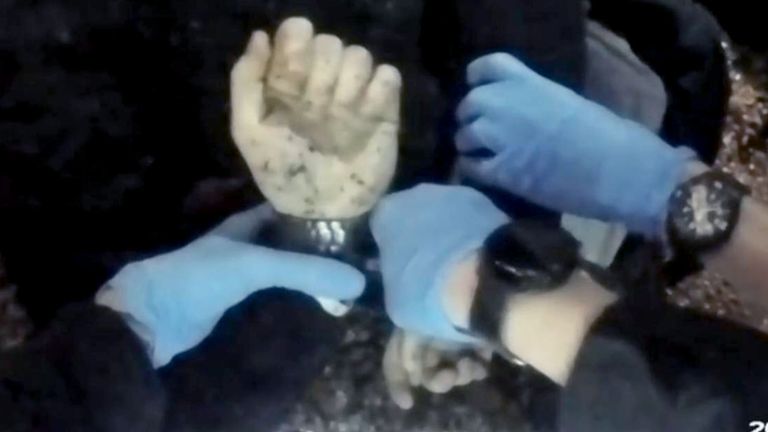
Bodycam footage played during proceedings has revealed the interaction between police officers and a man identified as Henry Nowak in the moments before he became unresponsive while being detained.
In the video, an officer is heard asking Nowak where he had allegedly been stabbed. The officer then adds: “Don’t think you have, mate.”
As officers move to place him in handcuffs, Nowak repeatedly tells them, “I can’t breathe,” making the statement three more times during the arrest.
One officer is then heard saying: “He says he’s been stabbed, so let’s just check him.” The footage appears to show the officer briefly lifting Nowak’s shirt near his waistline before he is left lying on his side.
A female officer subsequently asks: “Where do you think he’s been stabbed? In the face?”
Another officer responds: “He hasn’t been stabbed.”
Shortly afterwards, Nowak, who appears to be unresponsive in the footage, is informed that he is under arrest on suspicion of assault.
The footage forms part of the evidence being examined as investigators continue to review the circumstances surrounding the incident.
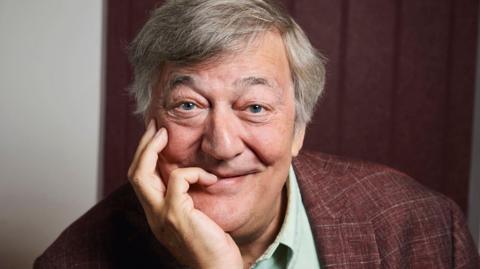
Stephen Fry has launched legal action against the organisers of a technology conference after suffering serious injuries when he fell off a stage following a keynote speech in London.
The broadcaster, actor and author is seeking up to £100,000 in damages after the accident at the CogX Festival, which took place at The O2 Arena in September 2023.
Sir Stephen, 68, said he sustained multiple injuries in the fall, including fractures to his leg, hip, pelvis and several ribs. He had been speaking at the event after being invited to deliver a keynote address focused on artificial intelligence.
Describing the incident at the time, he said: “So I broke my right leg in a couple of places and my hip and pelvis in four places and a bunch of ribs.”
He added that he felt fortunate the injuries were not even more severe, saying he had “praised my lucky stars” that he did not damage his spine or suffer a skull injury.
According to court documents filed on his behalf, Fry is bringing a personal injury claim against CogX Festival Ltd and Blonstein Events Ltd.
The filing states that after finishing his presentation and while leaving the stage through the backstage area, he fell approximately two metres from the stage onto the concrete floor below.
“The Claimant brings a claim for damages for personal injuries sustained on 14 September 2023 at the O2 Arena, London, whilst attending the CogX Festival where he had been engaged to deliver a talk on Artificial Intelligence,” the court documents state.
The legal action is focused on the circumstances surrounding the fall and whether sufficient safety measures were in place backstage at the venue.
Neither CogX Festival Ltd nor Blonstein Events Ltd has publicly responded to the claim so far.
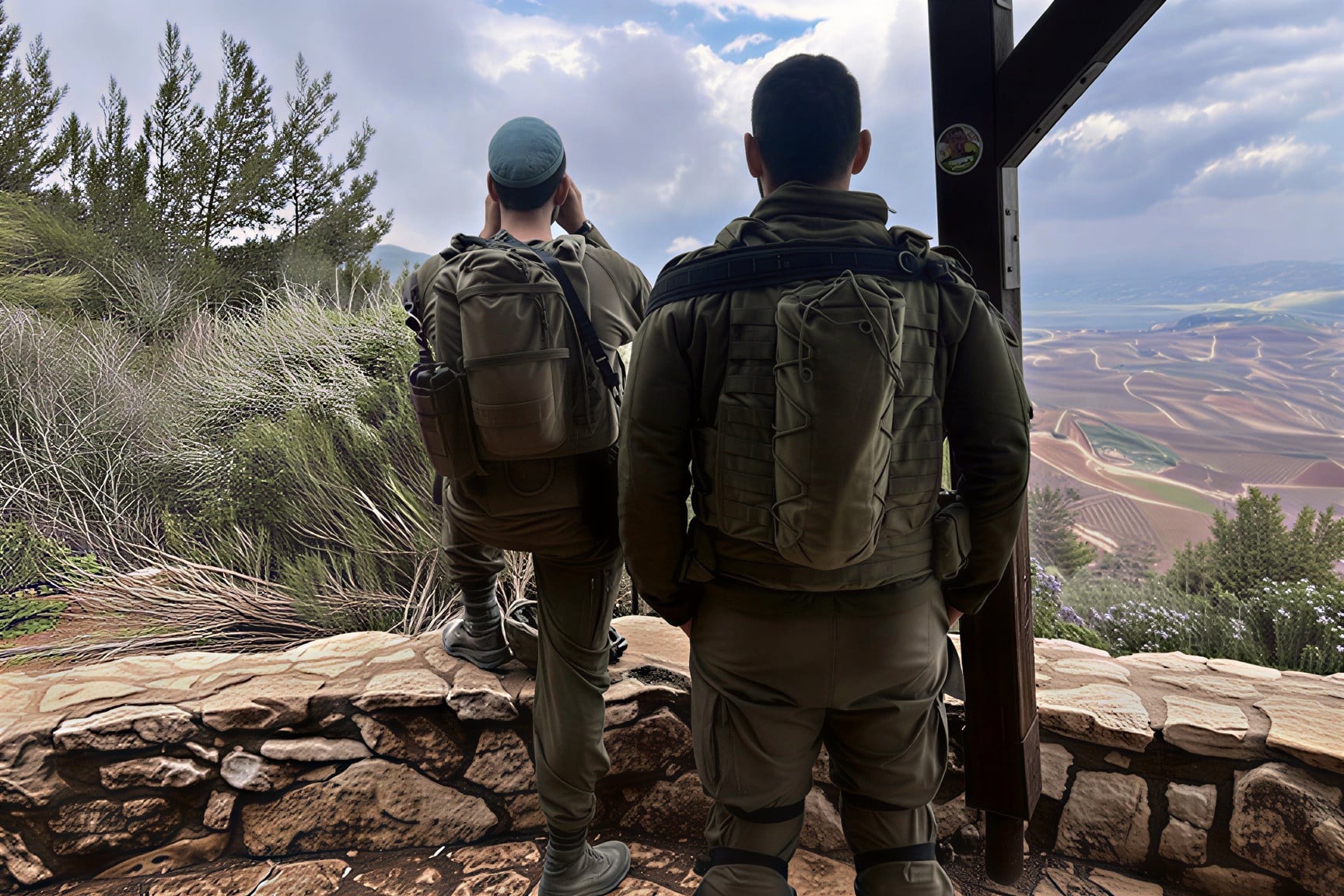
The Israel Defense Forces (IDF) has disciplined soldiers involved in the vandalism of a statue of Jesus in southern Lebanon, following widespread condemnation of the incident.
According to the IDF, the soldier who struck the statue with a sledgehammer, along with another who photographed the act, will each serve 30 days of military detention and be removed from combat duties. The military added that six additional soldiers present at the scene, who failed to intervene or report the incident, will face separate disciplinary action.
The incident occurred in the village of Debel, where an image of the damaged statue circulated widely online, sparking outrage both locally and internationally.
Israeli Prime Minister Benjamin Netanyahu said he was “stunned and saddened” by the act, as criticism mounted over the conduct of the troops.
In a statement, the IDF said its internal inquiry found the soldiers’ actions “completely deviated from IDF orders and values” and expressed “deep regret” over what happened. It added that the damaged statue had since been replaced in coordination with the local community.
The military emphasised that its operations in Lebanon are directed solely against militant groups, including Hezbollah, and not against civilians or religious sites.
Local leaders strongly condemned the act. Father Fadi Flaifel, head of the village’s congregation, described it as a desecration of a sacred symbol, saying it violated principles of respect and human rights.


Hegseth Criticises Europe’s Migration Policies in D-Day Speech

West Ham Co-Chairman David Sullivan Steps Down Amid Allegations

China Bans Four New Zealand MPs Over Taiwan Trip


-
 Entertainment6 days ago
KSI Announces Departure from Sidemen After 13 Years
-
 Sports1 week ago
Sinner Shock Exit Blows French Open Wide Open After Five-Set Defeat
-
 News1 week ago
Israeli Strike Hits Beirut as Tensions Escalate Despite Ceasefire
-

 Sports1 week ago
Paris Saint-Germain Retain Champions League Crown After Shootout Victory Over Arsenal
-
 News4 days ago
Police Conduct Under Review After Murder of Southampton Student Henry Nowak
-
 News4 days ago
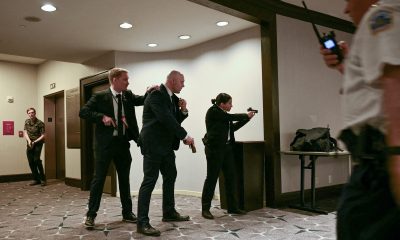
White House Correspondents’ Dinner Rescheduled Following Security Incident
-
 News1 week ago
Trump in ‘excellent health’ but should lose weight and exercise more, his doctor says
-
General4 days ago
Bodycam Footage Reveals Final Moments Before Arrested Man Became Unresponsive