
News
Meta Lifts Final Restrictions on Trump’s Facebook and Instagram Accounts

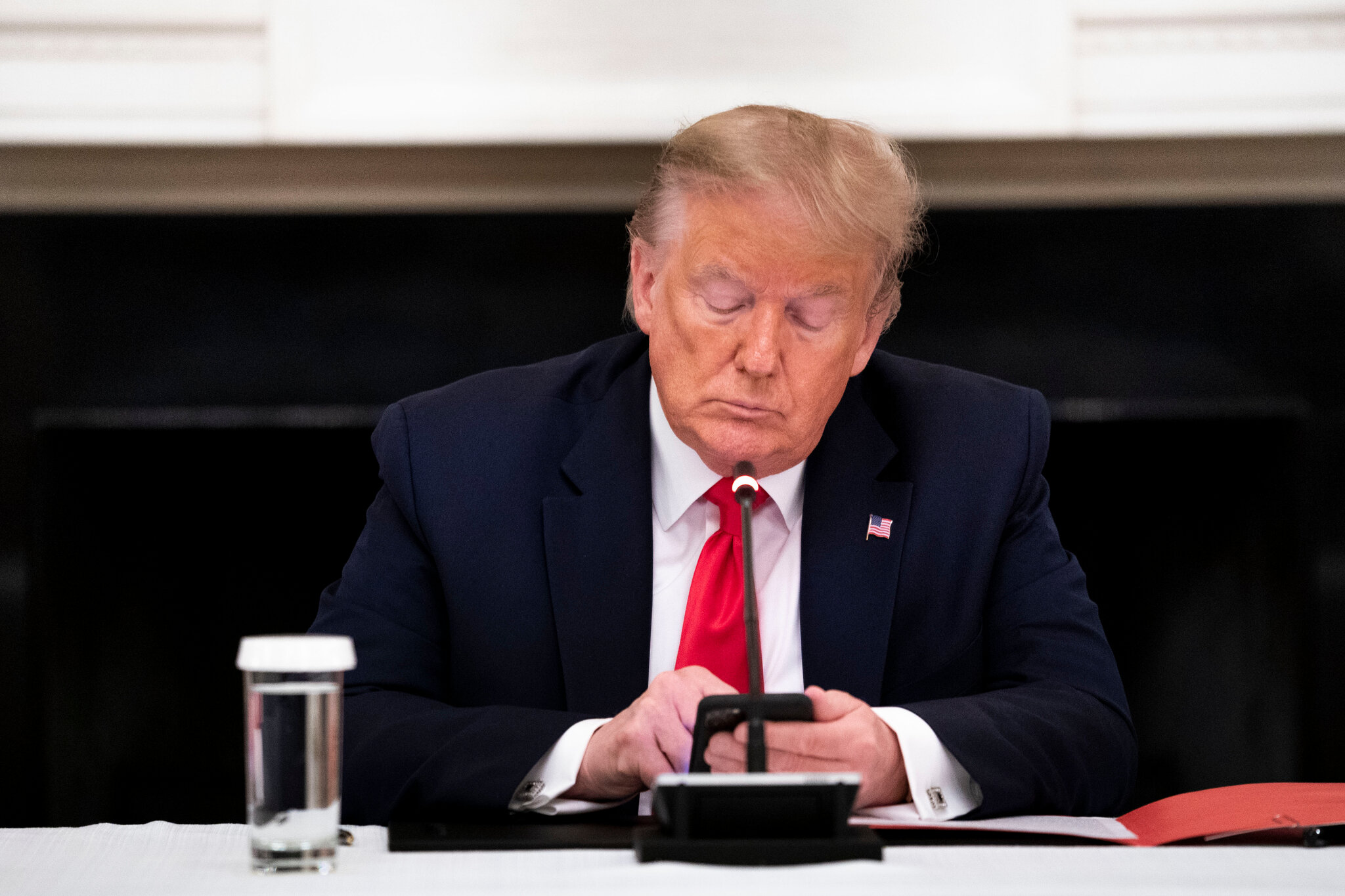
In a significant development ahead of the upcoming US presidential elections in November, Meta has lifted the remaining restrictions on Donald Trump’s Facebook and Instagram accounts. The former US president, whose accounts boast over 60 million followers combined, had been suspended in 2021 following his remarks supporting the storming of the US Capitol on January 6.
Trump’s accounts were reinstated in 2023 with additional monitoring, which has now been removed, according to a blog post by Meta. The social media giant emphasized its responsibility to facilitate political expression, ensuring that Americans can hear from presidential candidates equally. Meta reiterated that all presidential candidates must adhere to the same Community Standards, which include policies against hate speech and incitement to violence.
Since regaining access to Meta’s platforms, Trump has primarily used his accounts to share campaign details and memes, often targeting his rival, Joe Biden. Before his 2021 suspension, Trump’s Facebook posts were among the most popular in the US, as reported by CrowdTangle data.
Trump, the first former president to be convicted of a crime, had also faced bans from Twitter (now called X) and YouTube. These restrictions were lifted last year. Despite this, Trump primarily communicates on his own social media platform, Truth Social, before reposting on other networks.
Trump’s return to Twitter was facilitated by a poll conducted by the company’s CEO, Elon Musk, in which users narrowly voted “yes” to reinstating his account. The decision follows actions taken by major tech companies in response to the Capitol Hill riots, which resulted in the deaths of five people and injuries to over 100 police officers. Trump had been accused of inciting violence and spreading disinformation.


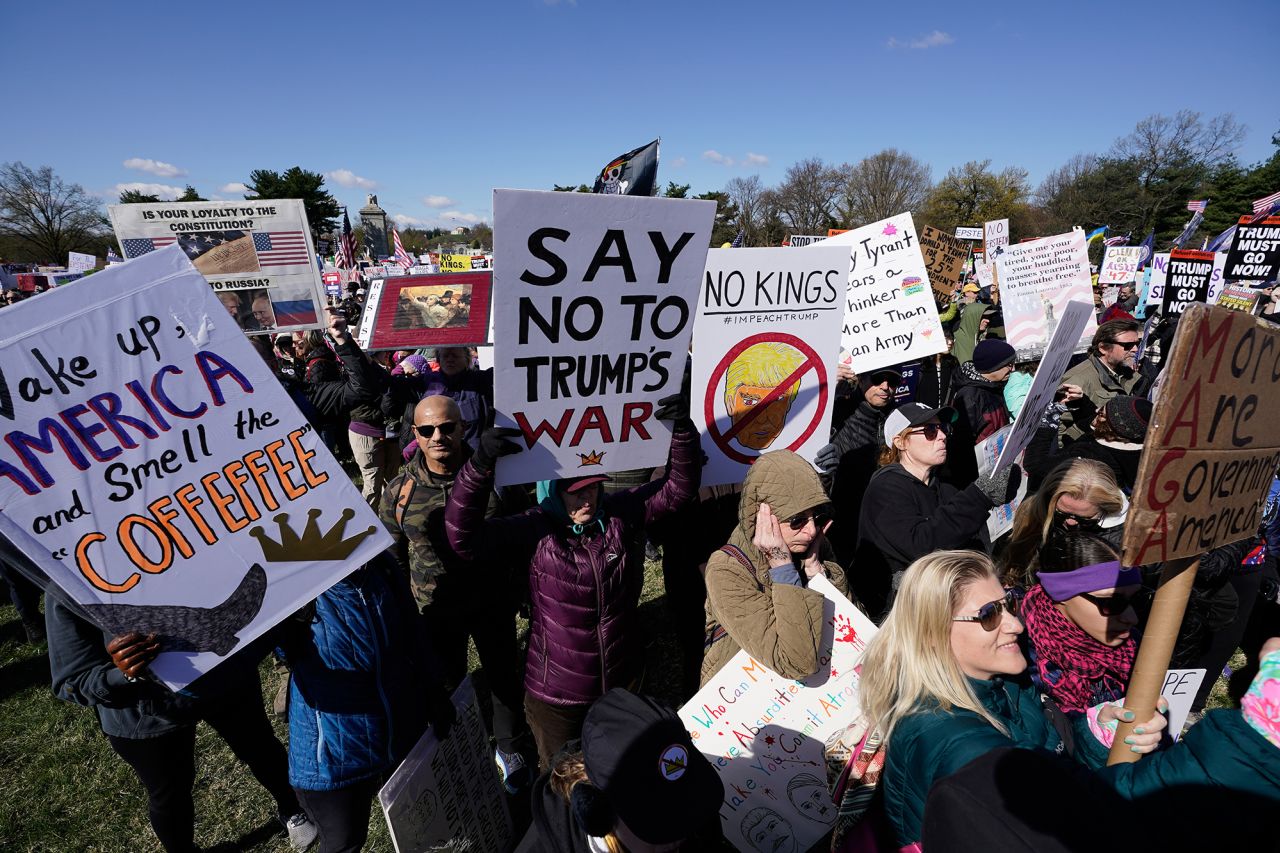
Large-scale “No Kings” protests have erupted across the United States, with demonstrators rallying against policies introduced by President Donald Trump during his current term in office.
Organisers say the demonstrations—taking place in major cities including New York City, Washington, D.C., and Los Angeles—are aimed at opposing issues such as the war involving Iran, stricter federal immigration enforcement, and the rising cost of living.
Crowds have already gathered in Washington, where protesters marched in from nearby Arlington and assembled at landmarks including the Lincoln Memorial and the National Mall.
The rallies mark the third iteration of the “No Kings” movement, which organisers say has previously drawn millions nationwide. Demonstrators carried signs and effigies depicting Trump, Vice President JD Vance, and other administration figures, calling for their removal from office.
Organisers framed the protests as a response to what they describe as an expansion of presidential powers since Trump returned to the White House in January, including the use of executive orders and the deployment of National Guard troops to cities despite objections from some state leaders.
Trump allies have criticised the demonstrations, labelling them a “hate America rally” and alleging links between participants and far-left groups such as Antifa. Protest organisers, however, insist the events are peaceful in nature.
The protests also come amid heightened tensions following controversial incidents earlier this year, including the fatal shooting of two civilians by federal immigration agents in Minneapolis, which sparked widespread outrage.
Despite the criticism, Trump has defended his actions, arguing they are necessary to address national challenges. He has rejected claims that he is governing like a monarch, dismissing such accusations as exaggerated.
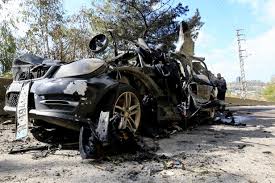
An Israeli air strike in southern Lebanon has killed three journalists and a paramedic, according to local reports, intensifying concerns about the safety of media workers in conflict zones.
Among those killed was Ali Shoeib, a reporter for Al Manar TV, along with two journalists from Al Mayadin, identified as Fatima and Mohamed Fetoni. The strike reportedly hit a clearly marked press vehicle in the town of Jezzine, also wounding several other journalists.
Joseph Aoun condemned the attack, calling it a “blatant crime” and a violation of international law, which provides protections for journalists operating in war zones.
The Israel Defense Forces confirmed carrying out a strike that killed Shoeib but alleged he was a member of Hezbollah posing as a journalist—an accusation that has not been independently verified.
The incident follows another recent strike in which Lebanese presenter Mohammad Sherri and his wife were killed, adding to growing allegations that journalists are being targeted in the conflict. Israel has consistently denied deliberately targeting civilians or media personnel.
According to reports, more than 1,100 civilians—including children and paramedics—have been killed in Israeli air strikes across Lebanon since the escalation began.
The developments come amid broader regional tensions involving Iran and its allies, with fears mounting that the conflict could widen further across the Middle East.
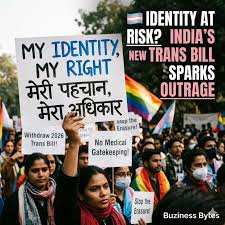
India’s parliament has passed a controversial bill amending transgender rights legislation, triggering protests from opposition parties and LGBTQ advocates who say it undermines the right to self-identify.
The bill, which updates the Transgender Persons (Protection of Rights) Act, now awaits approval from the president before becoming law.
Government officials argue the changes will improve access to welfare programmes and strengthen protections against exploitation and trafficking. However, critics warn the new framework could exclude large sections of the transgender, non-binary, and gender-fluid community.
A key shift in the legislation concerns how transgender identity is defined. While a landmark 2014 ruling by the Supreme Court of India recognised transgender people as a “third gender” and affirmed their right to self-identify, the new bill moves away from that principle.
Instead, it introduces a narrower definition based on biological or physical characteristics. It also requires certification from medical boards and local authorities, particularly for individuals undergoing gender-affirming procedures.
The government maintains that the current definition is too broad, making it difficult to ensure that welfare benefits—such as healthcare support and job reservations—reach the most marginalised individuals. Officials say the revised criteria are designed to protect those facing “extreme and oppressive” discrimination.
Activists, however, argue the changes could fundamentally reshape legal recognition in a restrictive way. They say many transgender people—especially those who rely on self-identification rather than medical or legal certification—risk being excluded from official recognition and support systems.
India is estimated to have around two million transgender people, though advocacy groups believe the actual number is higher. Despite existing legal protections, many continue to face discrimination and barriers to education, healthcare, and employment.
The passage of the bill has intensified debate over how best to balance administrative clarity with individual rights, with critics urging authorities to reconsider provisions they say could reverse progress made over the past decade.


No Kings protests across the US rally against Donald Trump

Israeli Strike in Lebanon Kills Journalists as Regional Tensions Escalate

Woods charged with driving under the influence after crash


-

 Entertainment1 week ago
Bodycam Footage of Justin Timberlake’s Drink-Driving Arrest Released
-
 General1 week ago
Robert Mueller, Former FBI Director and Trump-Russia Special Counsel, Dies at 81
-
 News1 week ago
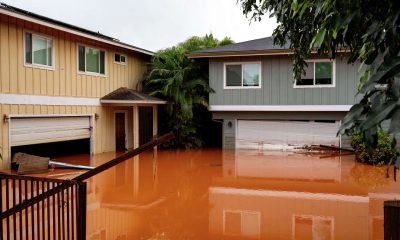
Thousands Evacuated as Hawaii Faces Worst Flooding in 20 Years
-
 Entertainment6 days ago
Oil Trades Surge Minutes Before Donald Trump Iran Announcement
-

 News5 days ago
Dozens of Bodies, Mostly Infants, Found in Mass Grave in Kenya
-
 Sports6 days ago
Fans Group Files Complaint Against FIFA Over ‘Excessive’ World Cup Ticket Prices
-
 News5 days ago
Ferdinand Marcos Promises Oil Supply as Philippines Declares Energy Emergency
-
 General4 days ago
Ex-Taiwan presidential Candidate sentenced to 17 years for corruption