
News
Joshua Breaks Silence With Emotional Message After Tragic Nigeria Crash


Anthony Joshua has shared his first public update since being injured in a car crash in Nigeria that claimed the lives of two of his close friends, offering a poignant glimpse into his recovery and solidarity with the families affected.
The 36-year-old British boxer was a passenger in a Lexus SUV that collided with a stationary truck on a major expressway near Lagos. The crash resulted in the deaths of Joshua’s close friends and long-time team members, Sina Ghami and Latif “Latz” Ayodele, a loss that has deeply affected both Joshua and the wider boxing community.
On Sunday morning, Joshua posted two photographs on Instagram, marking his first social media activity since the incident. One image shows him seated alongside his mother and members of the victims’ families, including the mothers of Ghami and Ayodele. In the photograph, one family member is seen holding a framed picture of Ghami, underscoring the shared grief and mutual support among those closest to the victims.
The post was accompanied by a short but powerful caption: “My Brothers Keeper.” The message was widely interpreted as a tribute to the bond he shared with his friends and a reflection of his commitment to standing with their families during a profoundly difficult period.
The former two-time heavyweight world champion was taken to hospital following the crash and was discharged on Wednesday. He has since returned to the UK, where he continues to recover surrounded by family. The funerals of Ghami and Ayodele took place at a London mosque on Sunday, bringing together friends, relatives and members of the boxing world to pay their respects.
Meanwhile, legal proceedings related to the crash are under way in Nigeria. The driver of the vehicle, Adeniyi Mobolaji Kayode, 46, was charged at Sagamu Magistrates’ Court on Friday. The charges include causing death by dangerous driving. He was granted bail of five million naira (£2,578) and remanded pending the fulfilment of his bail conditions. The case has been adjourned until 20 January.
Joshua’s connection to the area remains deeply personal. Born in Watford, he has family roots in Sagamu, a town in Ogun State located near the crash site. That connection has added another layer of significance to the tragedy, while also highlighting the strong ties between the boxer and the community.












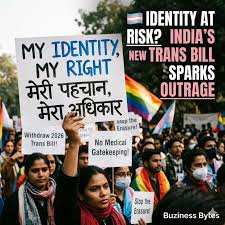
India’s parliament has passed a controversial bill amending transgender rights legislation, triggering protests from opposition parties and LGBTQ advocates who say it undermines the right to self-identify.
The bill, which updates the Transgender Persons (Protection of Rights) Act, now awaits approval from the president before becoming law.
Government officials argue the changes will improve access to welfare programmes and strengthen protections against exploitation and trafficking. However, critics warn the new framework could exclude large sections of the transgender, non-binary, and gender-fluid community.
A key shift in the legislation concerns how transgender identity is defined. While a landmark 2014 ruling by the Supreme Court of India recognised transgender people as a “third gender” and affirmed their right to self-identify, the new bill moves away from that principle.
Instead, it introduces a narrower definition based on biological or physical characteristics. It also requires certification from medical boards and local authorities, particularly for individuals undergoing gender-affirming procedures.
The government maintains that the current definition is too broad, making it difficult to ensure that welfare benefits—such as healthcare support and job reservations—reach the most marginalised individuals. Officials say the revised criteria are designed to protect those facing “extreme and oppressive” discrimination.
Activists, however, argue the changes could fundamentally reshape legal recognition in a restrictive way. They say many transgender people—especially those who rely on self-identification rather than medical or legal certification—risk being excluded from official recognition and support systems.
India is estimated to have around two million transgender people, though advocacy groups believe the actual number is higher. Despite existing legal protections, many continue to face discrimination and barriers to education, healthcare, and employment.
The passage of the bill has intensified debate over how best to balance administrative clarity with individual rights, with critics urging authorities to reconsider provisions they say could reverse progress made over the past decade.
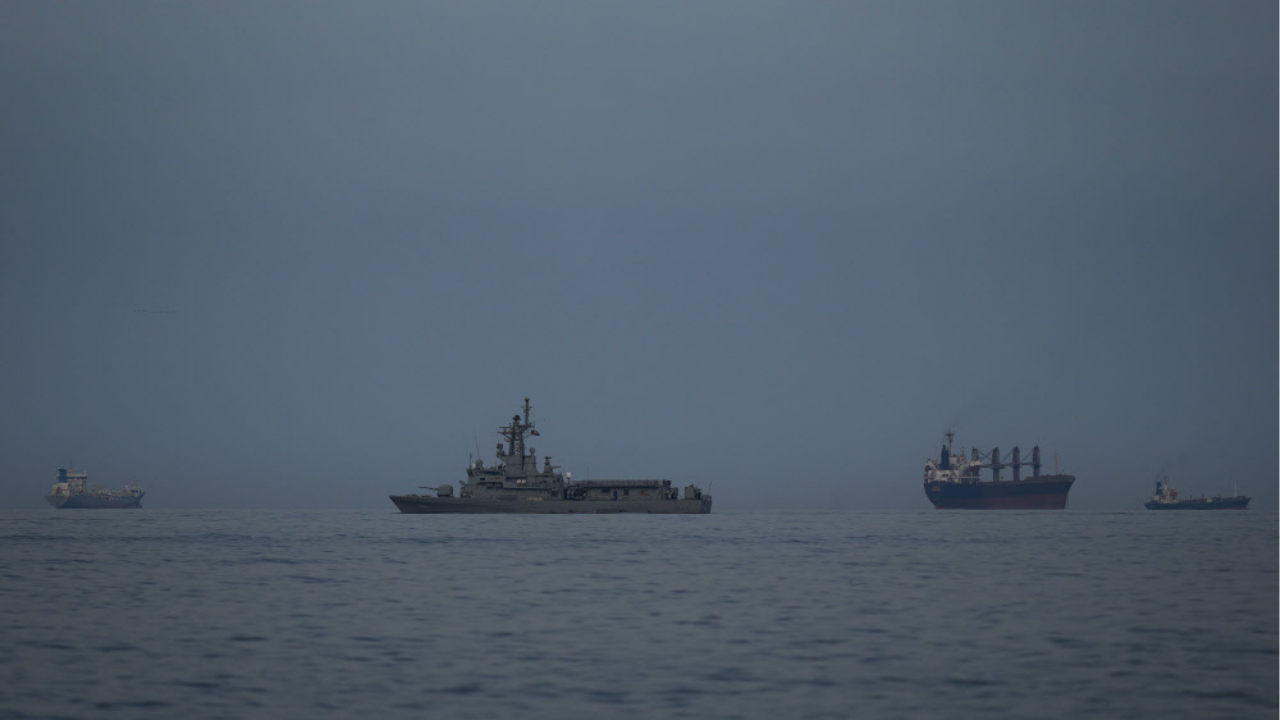
Israel has said it killed Alireza Tangsiri, the head of the naval arm of Islamic Revolutionary Guard Corps (IRGC), in a strike tied to escalating tensions in the region.
Israeli Defence Minister Israel Katz stated that Tangsiri was “directly responsible” for actions involving the disruption and blockade of the Strait of Hormuz, a vital global energy corridor. He added that several other senior naval officials were also killed in the operation.
There has been no immediate confirmation or response from Iran regarding the claim.
Tangsiri had served as commander of the IRGC Navy since 2018, after previously holding the role of deputy commander for nearly a decade. Known for his hardline stance, he had frequently issued warnings against both Israel and the United States.
In past statements, including remarks made in 2019, Tangsiri had threatened to close the Strait of Hormuz if Iran’s oil exports were restricted—an action that could significantly disrupt global energy markets.
He was also among several IRGC figures sanctioned by the US Treasury in 2019 following the downing of an American surveillance drone near the strait.
The reported killing, if confirmed, would mark a significant escalation in the already volatile standoff affecting one of the world’s most critical maritime trade routes.
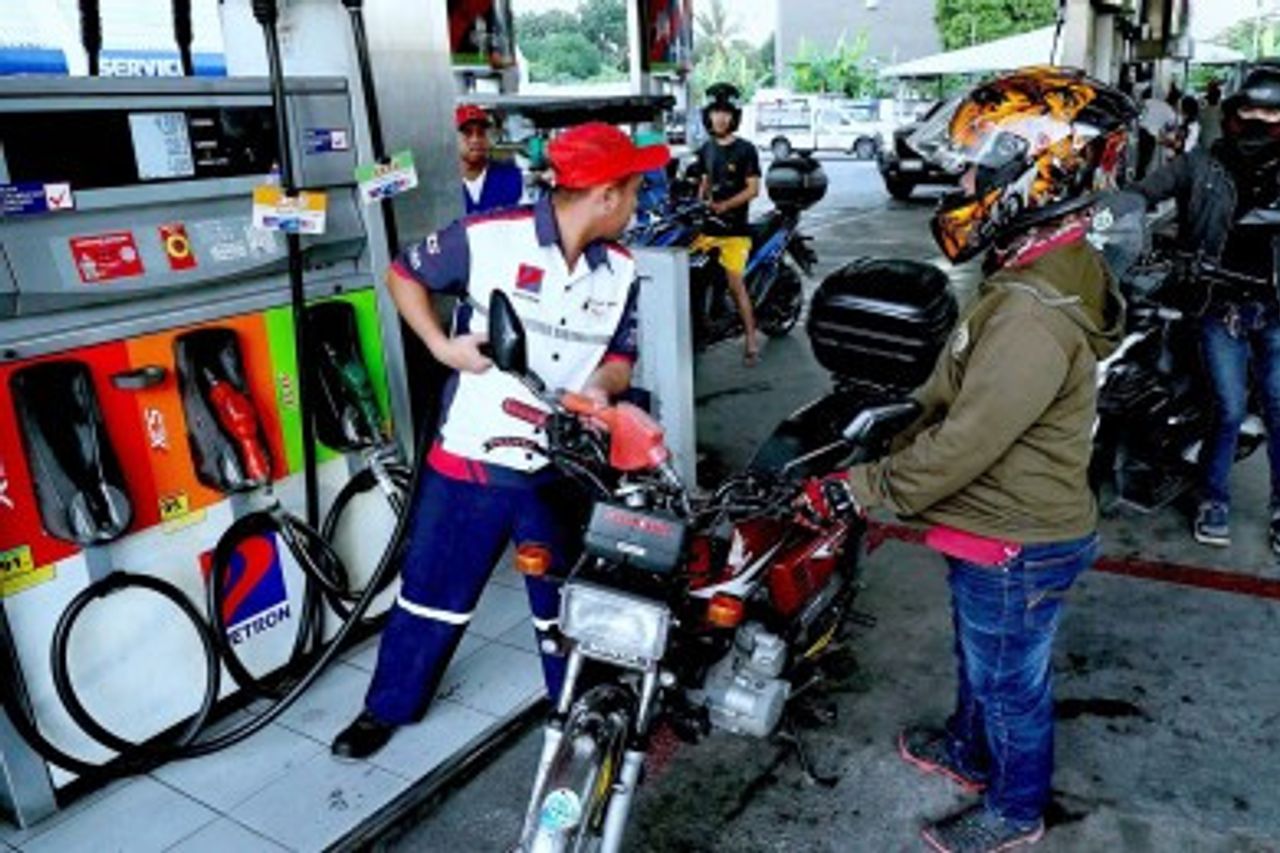
Ferdinand Marcos has pledged to secure a steady “flow of oil” for the Philippines after declaring a state of national energy emergency in response to escalating global supply disruptions linked to the conflict involving Iran.
In a televised address, Marcos assured citizens that the government is working to procure one million barrels of oil to supplement existing reserves, which currently cover about 45 days of supply. He emphasised that the country would receive multiple deliveries to stabilise fuel availability.
The Philippines—heavily reliant on imports for roughly 98% of its oil, largely from the Gulf—has been hit hard by surging global prices. The crisis has been intensified by the conflict involving the United States, Israel, and Iran, alongside disruptions in the Strait of Hormuz, a vital artery for global energy shipments.
Under the emergency declaration, the government now has expanded powers to directly procure fuel, regulate distribution, and ensure the steady supply of essential goods such as food and medicine. A special committee has also been established to oversee these efforts. The measures are set to remain in effect for up to one year unless lifted earlier.
Philippine Ambassador to the US, Jose Manuel Romualdez, indicated that Manila is engaging with Washington to explore options for sourcing oil, including potential exemptions that would allow imports from US-sanctioned countries.
The announcement follows sharp increases in petrol and diesel prices, which have more than doubled since late February, placing significant strain on households and businesses.
Labour group Kilusang Mayo Uno (KMU) criticised the move, describing it as an acknowledgment of government shortcomings in managing the crisis. The group also raised concerns about provisions in the emergency order that could restrict labour actions, including strikes, warning these could limit workers’ ability to protest amid rising living costs.
At the same time, business leaders such as Manuel V. Pangilinan have backed the government’s expanded powers, noting that escalating energy costs are already affecting operations across key sectors.
Transport unions, including Piston, have announced a two-day strike, demanding measures such as fuel tax cuts, price controls, and wage increases. The planned action underscores growing public frustration over the economic impact of the crisis.
Meanwhile, Energy Secretary Sharon Garin said the country may temporarily rely more on coal-fired power plants to offset rising liquefied natural gas costs.


Woods charged with driving under the influence after crash
Tiger Woods Involved in Car Crash in Florida

Ex-Taiwan presidential Candidate sentenced to 17 years for corruption


-
 News1 week ago
Gas prices in UK and Europe soar after strikes on energy facilities in Qatar and Iran
-

 News1 week ago
Chinese National and Kenyan Associate Charged Over Attempt to Smuggle 2,000 Ants
-

 Sports1 week ago
Lang Confirms Successful Surgery After Injury in Champions League Clash
-

 Sports1 week ago
Morocco Crowned AFCON 2025 Champions After CAF Overturns Final Result
-

 Entertainment6 days ago
Bodycam Footage of Justin Timberlake’s Drink-Driving Arrest Released
-
 News6 days ago
Thousands Evacuated as Hawaii Faces Worst Flooding in 20 Years
-
 Entertainment3 days ago
Oil Trades Surge Minutes Before Donald Trump Iran Announcement
-
 News2 days ago
Dozens of Bodies, Mostly Infants, Found in Mass Grave in Kenya