
General
Fugitive Dezi Freeman Shot Dead by Police After Seven Months on the Run

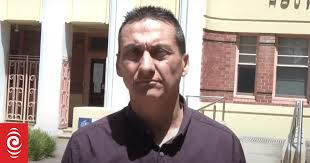
Australian police have shot and killed a man believed to be Dezi Freeman, ending a seven-month manhunt following the killing of two officers in Victoria.
According to Victoria Police, the fatal shooting occurred after an hours-long standoff at a rural property in the state’s north-east. Authorities say the 56-year-old had been hiding since August, when he allegedly gunned down two officers at his property in Porepunkah before fleeing into surrounding bushland.
Chief Commissioner Mike Bush said officers surrounded a makeshift structure—described as a hybrid between a shipping container and a caravan—around 05:30 local time on Monday. After several hours and repeated calls to surrender, a man believed to be Freeman emerged and was shot.
Bush indicated the suspect appeared to be armed, possibly with a weapon taken from one of the officers killed in the earlier incident. He emphasised that police had intended to take Freeman into custody but that he did not surrender when given the opportunity.
Jacinta Allan described the development as the end of a dangerous chapter, stating: “Today an evil man is dead. It’s over.”
No officers were injured during the operation. As is standard procedure, the shooting will be subject to an independent investigation.
The manhunt began after the fatal shooting of two senior constables, Neal Thompson and Vadim de Waart, who had attended Freeman’s property on 26 August as part of an investigation into alleged sex offences.
Police said the families of the slain officers were informed first about the outcome of the operation. Formal identification of the deceased is still pending, though authorities say confirmation is expected within 24 to 48 hours.
If confirmed, officials say the development will bring a measure of closure to a case that has deeply affected the local community and law enforcement agencies.







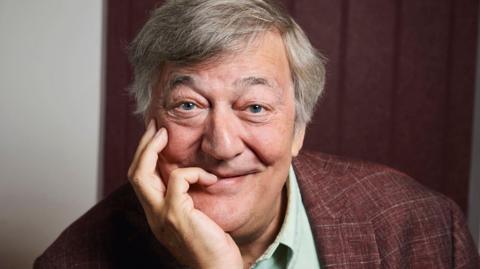
Stephen Fry has launched legal action against the organisers of a technology conference after suffering serious injuries when he fell off a stage following a keynote speech in London.
The broadcaster, actor and author is seeking up to £100,000 in damages after the accident at the CogX Festival, which took place at The O2 Arena in September 2023.
Sir Stephen, 68, said he sustained multiple injuries in the fall, including fractures to his leg, hip, pelvis and several ribs. He had been speaking at the event after being invited to deliver a keynote address focused on artificial intelligence.
Describing the incident at the time, he said: “So I broke my right leg in a couple of places and my hip and pelvis in four places and a bunch of ribs.”
He added that he felt fortunate the injuries were not even more severe, saying he had “praised my lucky stars” that he did not damage his spine or suffer a skull injury.
According to court documents filed on his behalf, Fry is bringing a personal injury claim against CogX Festival Ltd and Blonstein Events Ltd.
The filing states that after finishing his presentation and while leaving the stage through the backstage area, he fell approximately two metres from the stage onto the concrete floor below.
“The Claimant brings a claim for damages for personal injuries sustained on 14 September 2023 at the O2 Arena, London, whilst attending the CogX Festival where he had been engaged to deliver a talk on Artificial Intelligence,” the court documents state.
The legal action is focused on the circumstances surrounding the fall and whether sufficient safety measures were in place backstage at the venue.
Neither CogX Festival Ltd nor Blonstein Events Ltd has publicly responded to the claim so far.
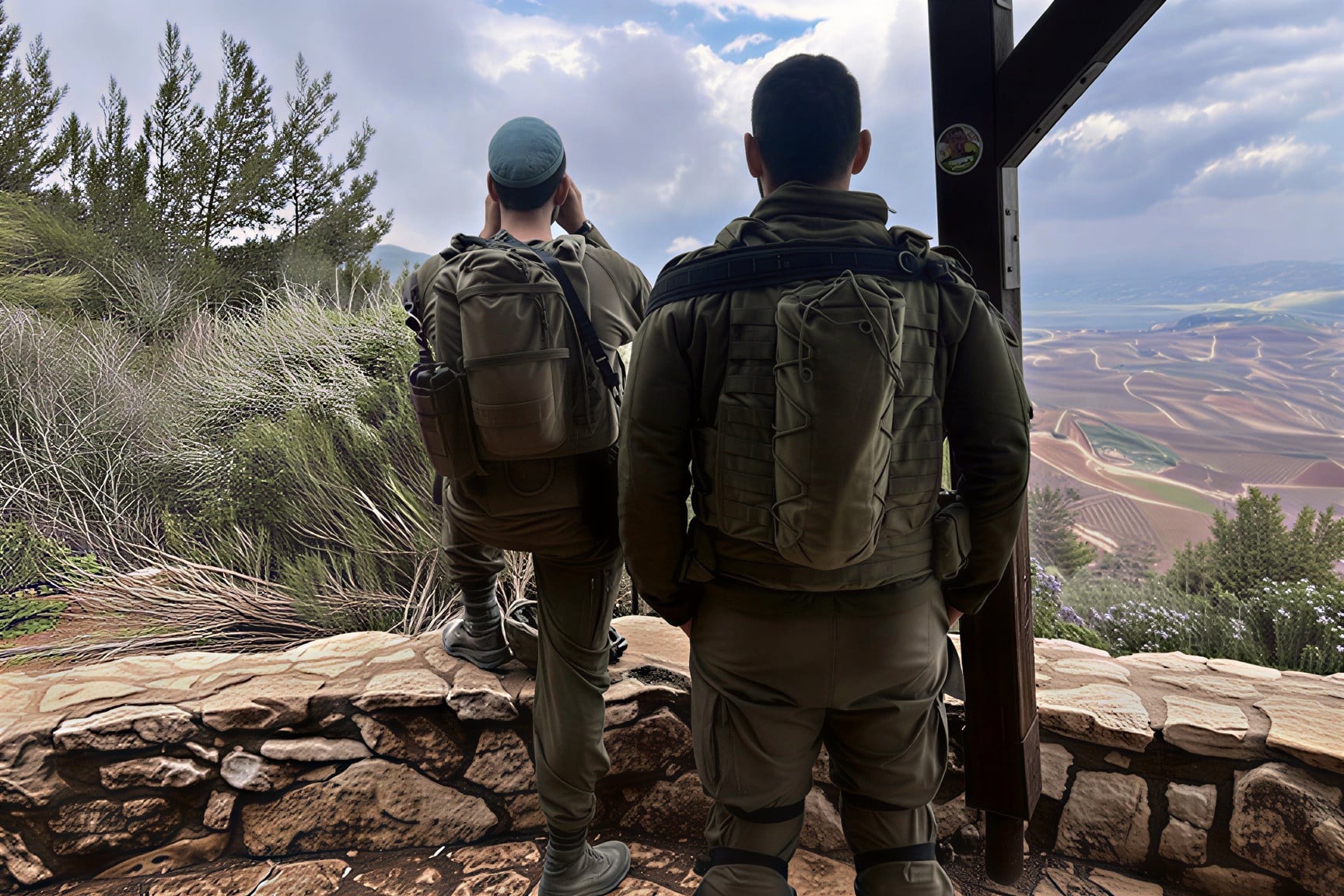
The Israel Defense Forces (IDF) has disciplined soldiers involved in the vandalism of a statue of Jesus in southern Lebanon, following widespread condemnation of the incident.
According to the IDF, the soldier who struck the statue with a sledgehammer, along with another who photographed the act, will each serve 30 days of military detention and be removed from combat duties. The military added that six additional soldiers present at the scene, who failed to intervene or report the incident, will face separate disciplinary action.
The incident occurred in the village of Debel, where an image of the damaged statue circulated widely online, sparking outrage both locally and internationally.
Israeli Prime Minister Benjamin Netanyahu said he was “stunned and saddened” by the act, as criticism mounted over the conduct of the troops.
In a statement, the IDF said its internal inquiry found the soldiers’ actions “completely deviated from IDF orders and values” and expressed “deep regret” over what happened. It added that the damaged statue had since been replaced in coordination with the local community.
The military emphasised that its operations in Lebanon are directed solely against militant groups, including Hezbollah, and not against civilians or religious sites.
Local leaders strongly condemned the act. Father Fadi Flaifel, head of the village’s congregation, described it as a desecration of a sacred symbol, saying it violated principles of respect and human rights.
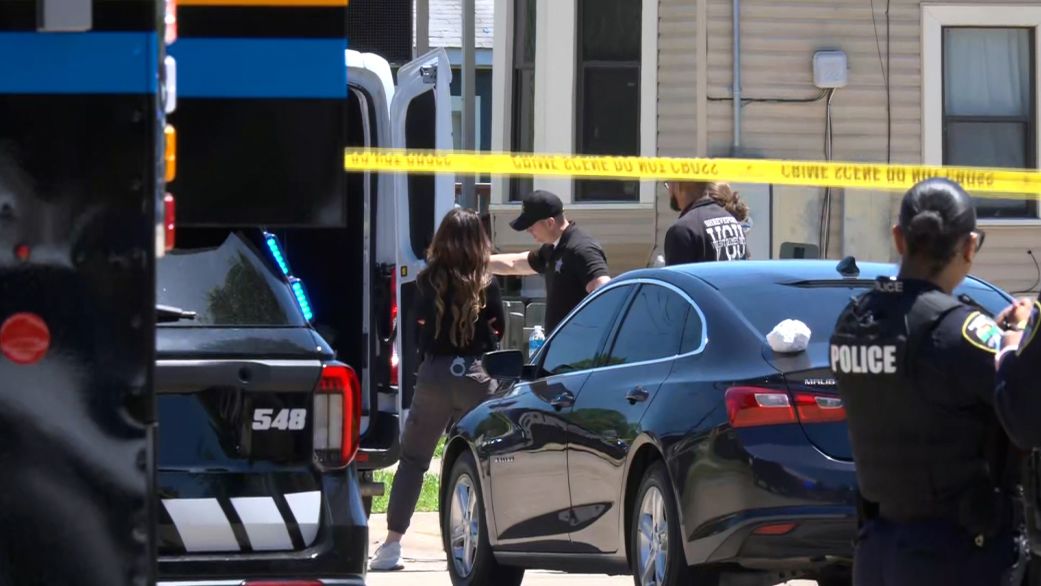
A man has shot dead seven of his own children and another child in a mass shooting in Shreveport, in what authorities have described as a domestic incident.
Police in the U.S. state of Louisiana said the suspect, identified as Shamar Elkins, opened fire early Sunday morning, killing eight children aged between one and 14 years old.
According to the Shreveport Police Department, the gunman shot a total of 10 people before fleeing the scene in a stolen vehicle. Two adult women, including the children’s mother, remain in critical condition.
Authorities said the suspect first shot a woman on the street before entering a nearby residence, where the children were killed. One of the victims managed to escape and alert emergency services, while another child reportedly jumped from a roof and was taken to hospital.
Police later pursued Elkins into a neighbouring area, where officers shot and killed him after he attempted to evade capture.
Officials have not confirmed a motive, but family members told U.S. media the suspect had been distressed following a separation from his wife and an impending court appearance related to their divorce.
Shreveport Mayor Tom Arceneaux described the incident as one of the most devastating in the city’s history. “This is a tragic situation – maybe the worst tragic situation we’ve ever had in Shreveport,” he said, adding that the entire community is mourning alongside the affected families.
The attack is the deadliest mass shooting in the United States since early 2024, according to the Gun Violence Archive, which defines a mass shooting as an incident in which four or more victims are shot, excluding the perpetrator.


Paris Saint-Germain Retain Champions League Crown After Shootout Victory Over Arsenal

Trump in ‘excellent health’ but should lose weight and exercise more, his doctor says

Marcia Lucas, Oscar-Winning Star Wars Editor, Dies at 80


-

 News6 days ago
Marco Rubio Says US-Iran Deal Could Come Monday
-
 Entertainment5 days ago
BTS Triumph at American Music Awards as Black Eyed Peas Reunite
-

 Tech5 days ago
Ferrari Unveils First Fully Electric Car
-
 News1 week ago
At Least 90 Killed in China Coal Mine Explosion
-

 News6 days ago
Oil Prices Fall on Hopes of US-Iran Peace Deal
-
 Sports1 week ago
Bruno Fernandes Named Premier League Player of the Season
-
 News5 days ago
Four Killed After School Minibus Hit by Train in Belgium
-
 Sports4 days ago
Manchester United Move Closer to Signing Ederson in £38m Midfield Deal