
General
Ukraine’s Shift to Drone Warfare

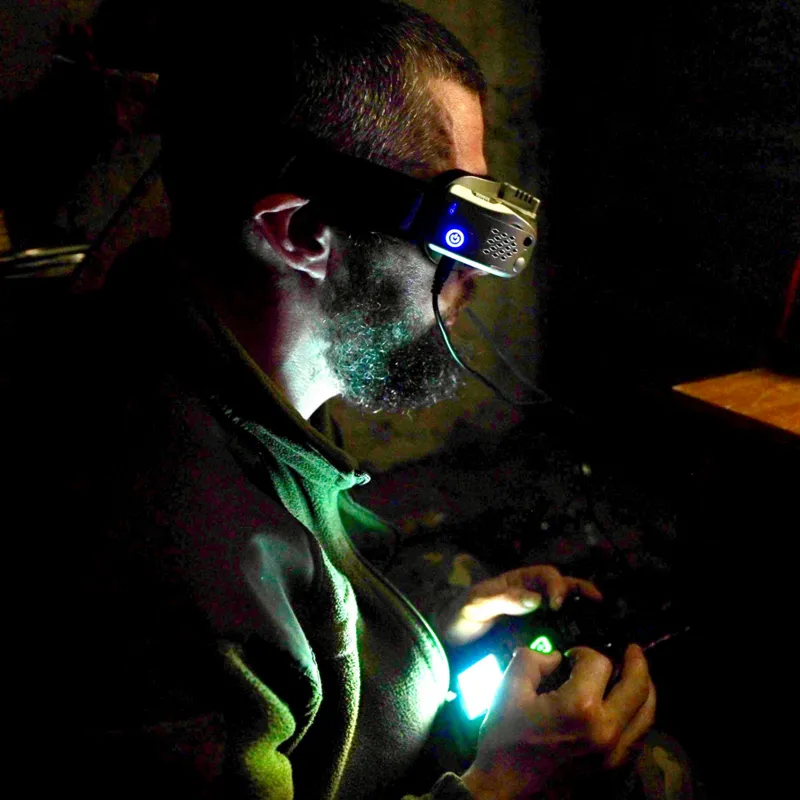
Ukraine faces a stark evolution in warfare with the rise of drones opening new battlefronts
In the darkness near Kharkiv’s front lines, Ukrainian soldiers rely on a small device they call “sugar,” a drone detector that lights up with alerts when Russian drones loom overhead. Equipped with vehicle-mounted jamming antennas, they navigate cautiously, knowing some drones like the Zala Lancet evade their countermeasures.
Drones have swiftly become pivotal in Ukraine’s defense strategy, transforming the battlefield where precise targeting of soldiers and infrastructure unfolds within moments. Both sides deploy drones extensively, altering the dynamics alongside traditional infantry and artillery.
The shift to drone warfare marks a blend of necessity and innovation for Ukraine, bolstered by support from a Drone Coalition pledging substantial resources. Meanwhile, Russia employs older glide bomb technology devastating villages like Lyptsi, underscoring the brutal toll on civilians and soldiers alike.
Ukrainian drone teams operate tirelessly along the front, using modified commercial models like First Person View (FPV) drones armed with explosives. These drones, once used for filming festivities, now execute targeted strikes with lethal accuracy, monitored by operators miles away.
Amid relentless attacks and strategic maneuvers, Ukrainian forces navigate the dual challenge of countering Russian drones while facing devastating aerial assaults. Despite the odds, they press on, adapting swiftly to the evolving battlefield where drones dominate.
As global allies observe Ukraine’s drone-centric warfare, military leaders contemplate its implications for future conflicts. The lessons learned in these harrowing battles may well shape the course of warfare to come, driving innovation and strategy in defense sectors worldwide.






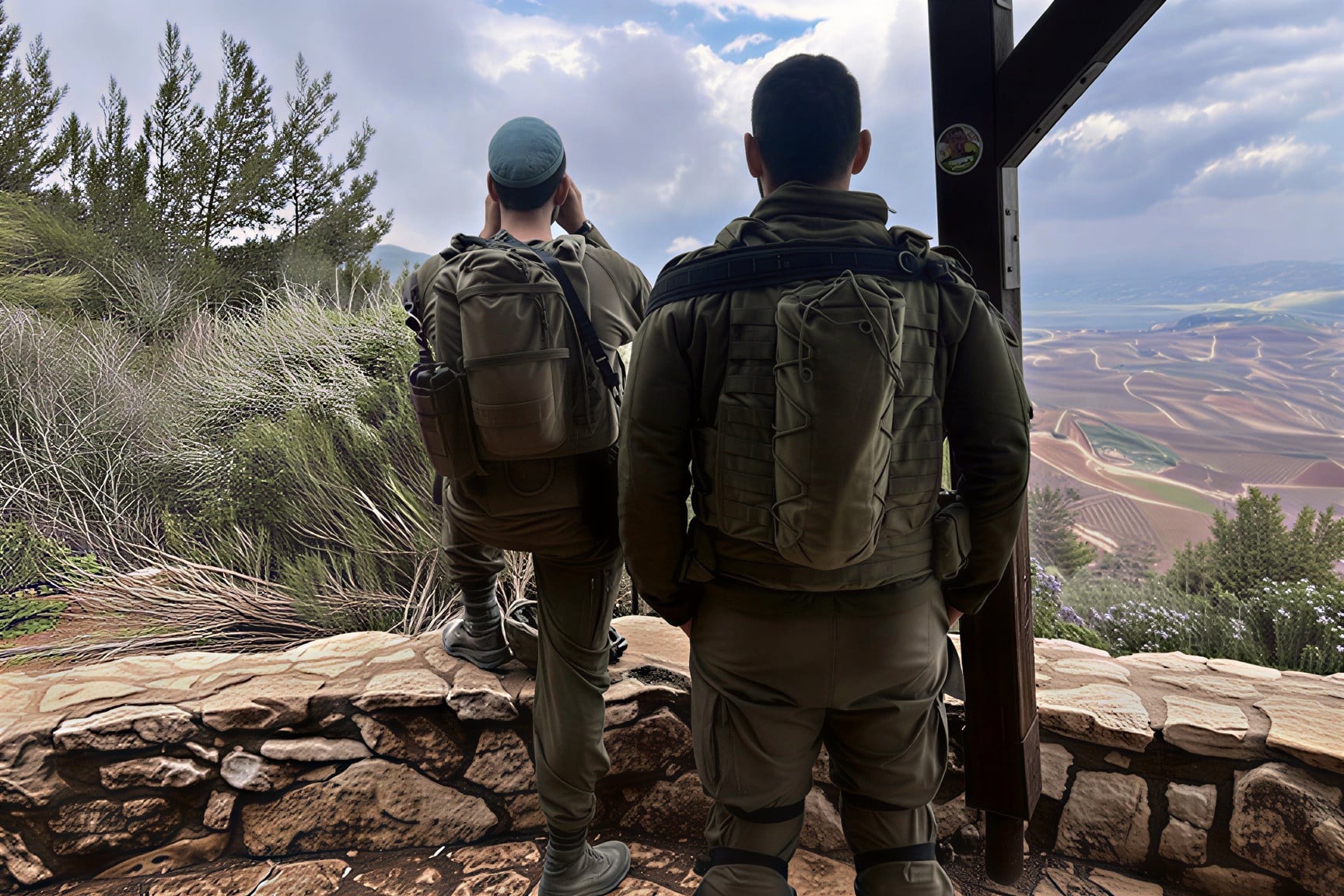
The Israel Defense Forces (IDF) has disciplined soldiers involved in the vandalism of a statue of Jesus in southern Lebanon, following widespread condemnation of the incident.
According to the IDF, the soldier who struck the statue with a sledgehammer, along with another who photographed the act, will each serve 30 days of military detention and be removed from combat duties. The military added that six additional soldiers present at the scene, who failed to intervene or report the incident, will face separate disciplinary action.
The incident occurred in the village of Debel, where an image of the damaged statue circulated widely online, sparking outrage both locally and internationally.
Israeli Prime Minister Benjamin Netanyahu said he was “stunned and saddened” by the act, as criticism mounted over the conduct of the troops.
In a statement, the IDF said its internal inquiry found the soldiers’ actions “completely deviated from IDF orders and values” and expressed “deep regret” over what happened. It added that the damaged statue had since been replaced in coordination with the local community.
The military emphasised that its operations in Lebanon are directed solely against militant groups, including Hezbollah, and not against civilians or religious sites.
Local leaders strongly condemned the act. Father Fadi Flaifel, head of the village’s congregation, described it as a desecration of a sacred symbol, saying it violated principles of respect and human rights.
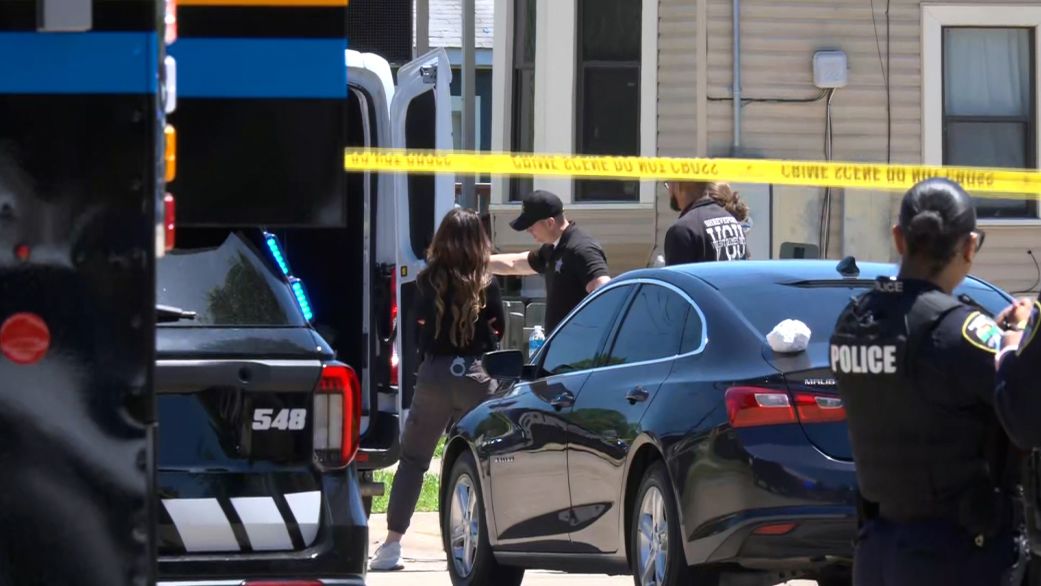
A man has shot dead seven of his own children and another child in a mass shooting in Shreveport, in what authorities have described as a domestic incident.
Police in the U.S. state of Louisiana said the suspect, identified as Shamar Elkins, opened fire early Sunday morning, killing eight children aged between one and 14 years old.
According to the Shreveport Police Department, the gunman shot a total of 10 people before fleeing the scene in a stolen vehicle. Two adult women, including the children’s mother, remain in critical condition.
Authorities said the suspect first shot a woman on the street before entering a nearby residence, where the children were killed. One of the victims managed to escape and alert emergency services, while another child reportedly jumped from a roof and was taken to hospital.
Police later pursued Elkins into a neighbouring area, where officers shot and killed him after he attempted to evade capture.
Officials have not confirmed a motive, but family members told U.S. media the suspect had been distressed following a separation from his wife and an impending court appearance related to their divorce.
Shreveport Mayor Tom Arceneaux described the incident as one of the most devastating in the city’s history. “This is a tragic situation – maybe the worst tragic situation we’ve ever had in Shreveport,” he said, adding that the entire community is mourning alongside the affected families.
The attack is the deadliest mass shooting in the United States since early 2024, according to the Gun Violence Archive, which defines a mass shooting as an incident in which four or more victims are shot, excluding the perpetrator.
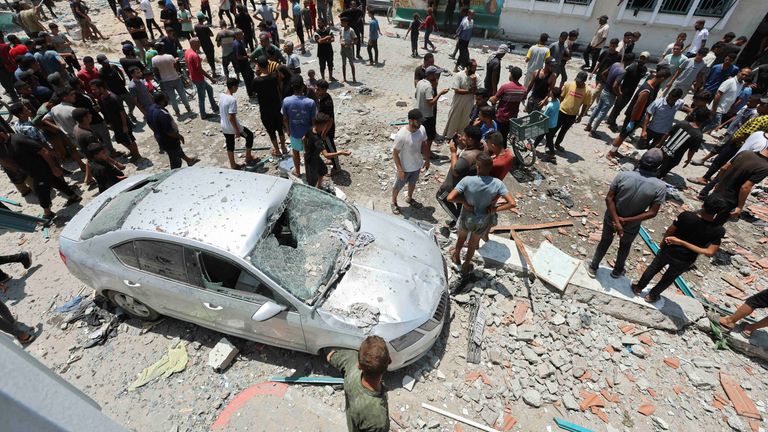
Fresh signs of diplomatic movement have emerged as Israel and Lebanon prepare to hold talks today, despite earlier uncertainty raised by officials in Beirut.
U.S. President Donald Trump was the first to outline a timeline, stating in a social media post late Wednesday that Israeli and Lebanese leaders would be speaking “tomorrow.”
That assertion was reinforced by Galia Gamliel, a member of Israel’s security cabinet, who told Israeli Army Radio that Prime Minister Benjamin Netanyahu is expected to speak directly with Lebanese President Joseph Aoun later today.
If confirmed, such a conversation would mark a highly significant development, as direct communication between leaders of the two countries has been rare and politically sensitive, reflecting decades of tension and conflict.
The planned talks come amid broader diplomatic efforts in the region, with the United States playing a central role in facilitating dialogue.
At the same time, Washington has indicated that a second round of discussions with Iran remains “ongoing” and “productive,” following an initial round of talks that failed to yield an agreement during meetings in Islamabad last weekend.


Co-ordinated Armed Attacks Shake Mali as Security Forces Respond Across Multiple Cities

Sessegnon Strike Lifts Fulham’s European Hopes as Villa Stumble

Donald Trump has announced that the Israel-Lebanon ceasefire has been extended by three weeks.


-

 News1 week ago
Oil Prices Tumble as Iran Reopens Strait of Hormuz During Ceasefire
-

 News1 week ago
Strait of Hormuz ‘completely open’ to commercial ships
-

 Entertainment1 week ago
US Singer D4vd Arrested on suspicion Over Teen Girl’s Death
-

 General1 week ago
Father Kills Eight Children in Louisiana Mass Shooting, Police Say
-
 News6 days ago
Warsh Says He Won’t Be Trump’s ‘Sock Puppet’ in Fed Role Amid Rate Debate
-
 News4 days ago
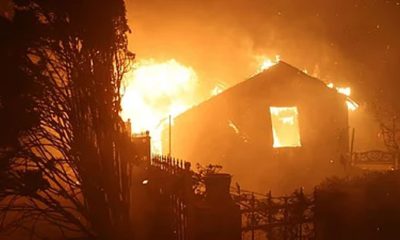
Hundreds of Wildfires Rage Across Florida and Georgia, Forcing Evacuations
-
News5 days ago
Iran says reopening Strait of Hormuz ‘impossible’ amid US blockade
-
Entertainment6 days ago
Singer D4vd Pleads Not Guilty to Murder Charges in Teen’s Death