
News
Ukraine and US Reach Minerals Agreement Amid Ongoing War

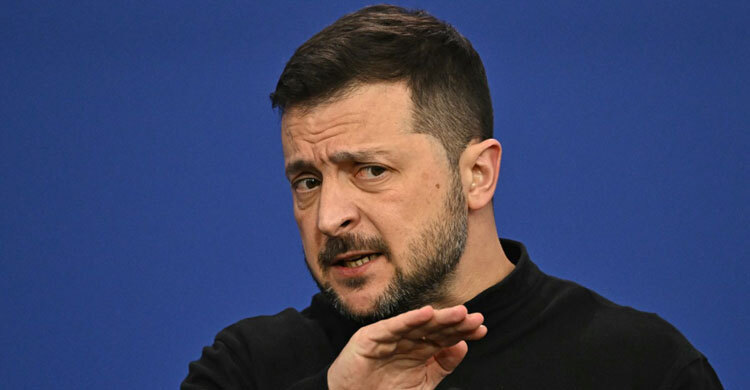
Ukraine has confirmed an agreement with the United States on a minerals deal, calling it a “positive outcome” with “good amendments,” though officials have yet to disclose further details.
Media reports suggest that Washington has dropped an initial demand for a $500 billion share in potential revenue from Ukraine’s natural resources. However, the deal does not appear to include the firm security guarantees that Kyiv had sought.
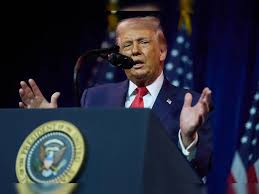
US President Donald Trump announced that Ukrainian President Volodymyr Zelensky is expected to travel to Washington this week to finalize the agreement. The development follows a series of tense exchanges between the two leaders.
While Trump did not explicitly confirm the deal’s finalization, he stated that in return, Ukraine would get “the right to fight on.” Acknowledging Ukraine’s resilience, he added, “Without the United States and its money and its military equipment, this war would have been over in a very short period of time.”
When asked whether US military support for Ukraine would continue, Trump indicated that assistance might persist “until we have a deal with Russia,” stressing the need for a negotiated settlement to end the conflict. He also suggested that any future peace deal would require “some form of peacekeeping” acceptable to all parties involved.
Ukraine possesses vast deposits of critical minerals such as lithium and titanium, alongside substantial reserves of coal, gas, oil, and uranium—resources valued in the billions. Trump has framed the agreement as one that will allow the US to recoup more than it has spent on supporting Ukraine. However, final details of the deal reportedly remain under negotiation.






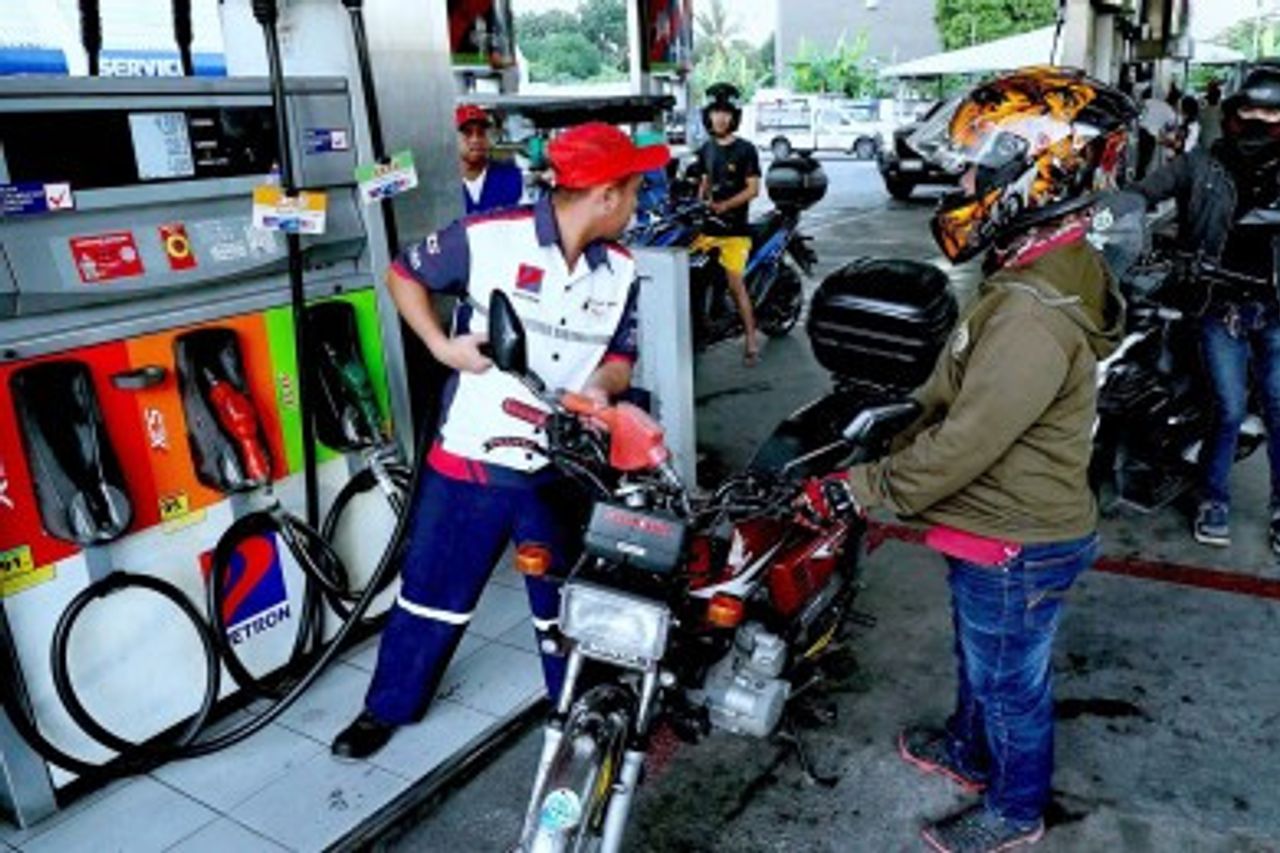
Ferdinand Marcos has pledged to secure a steady “flow of oil” for the Philippines after declaring a state of national energy emergency in response to escalating global supply disruptions linked to the conflict involving Iran.
In a televised address, Marcos assured citizens that the government is working to procure one million barrels of oil to supplement existing reserves, which currently cover about 45 days of supply. He emphasised that the country would receive multiple deliveries to stabilise fuel availability.
The Philippines—heavily reliant on imports for roughly 98% of its oil, largely from the Gulf—has been hit hard by surging global prices. The crisis has been intensified by the conflict involving the United States, Israel, and Iran, alongside disruptions in the Strait of Hormuz, a vital artery for global energy shipments.
Under the emergency declaration, the government now has expanded powers to directly procure fuel, regulate distribution, and ensure the steady supply of essential goods such as food and medicine. A special committee has also been established to oversee these efforts. The measures are set to remain in effect for up to one year unless lifted earlier.
Philippine Ambassador to the US, Jose Manuel Romualdez, indicated that Manila is engaging with Washington to explore options for sourcing oil, including potential exemptions that would allow imports from US-sanctioned countries.
The announcement follows sharp increases in petrol and diesel prices, which have more than doubled since late February, placing significant strain on households and businesses.
Labour group Kilusang Mayo Uno (KMU) criticised the move, describing it as an acknowledgment of government shortcomings in managing the crisis. The group also raised concerns about provisions in the emergency order that could restrict labour actions, including strikes, warning these could limit workers’ ability to protest amid rising living costs.
At the same time, business leaders such as Manuel V. Pangilinan have backed the government’s expanded powers, noting that escalating energy costs are already affecting operations across key sectors.
Transport unions, including Piston, have announced a two-day strike, demanding measures such as fuel tax cuts, price controls, and wage increases. The planned action underscores growing public frustration over the economic impact of the crisis.
Meanwhile, Energy Secretary Sharon Garin said the country may temporarily rely more on coal-fired power plants to offset rising liquefied natural gas costs.
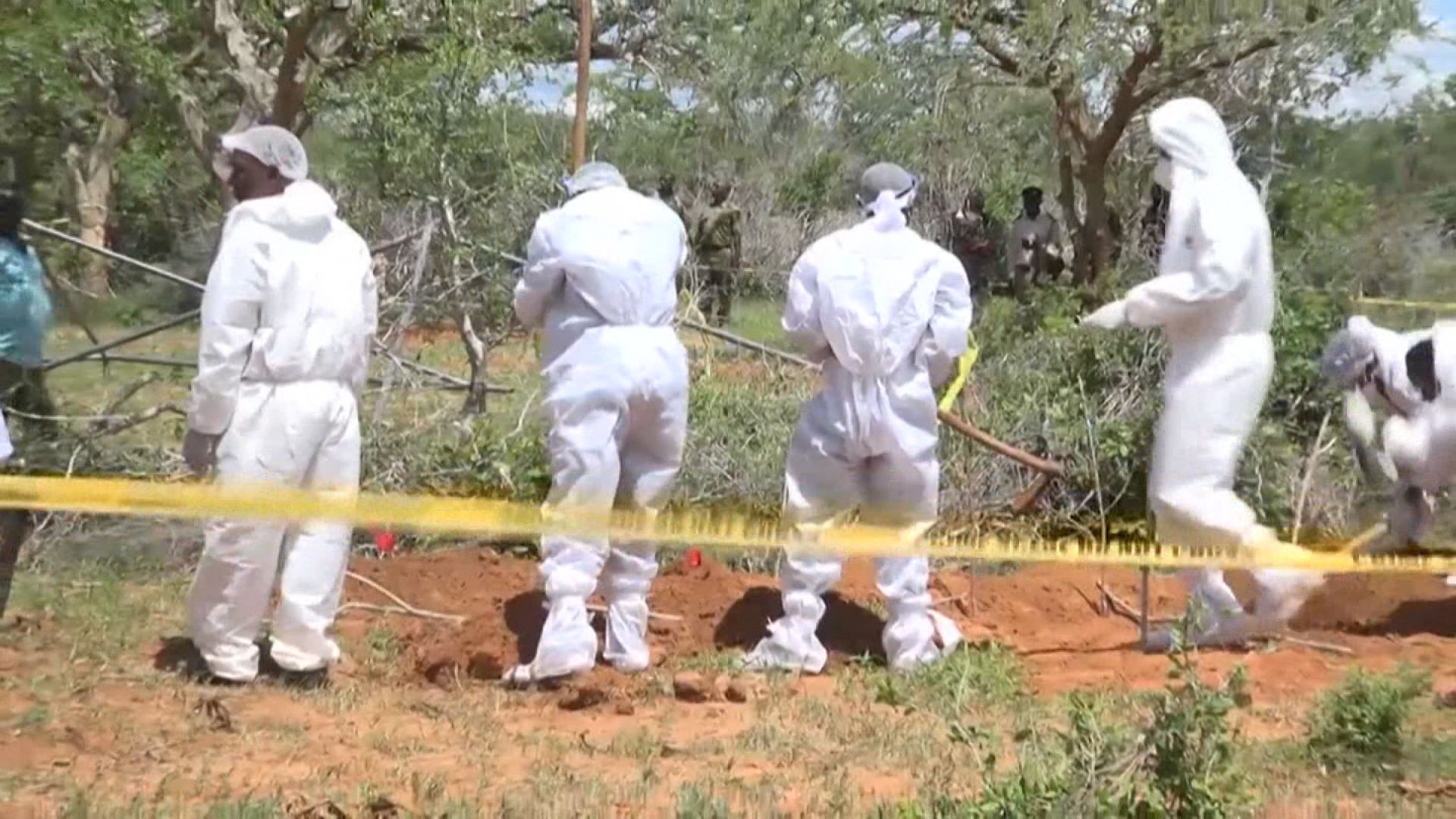
Authorities in Kenya have uncovered at least 32 bodies—most of them infants—in a mass grave in Kericho, in a discovery that has shocked the nation and prompted urgent investigations.
The exhumation followed a court order initially authorising the retrieval of 14 bodies, but investigators uncovered far more during the process. Government pathologist Richard Njoroge described the findings as “quite unusual,” noting that many of the bodies were “stacked in gunny bags.” Recovery efforts were hampered by heavy rainfall during the day-long operation.
Preliminary assessments indicate the remains include seven adults and 25 children, with many of the younger victims identified as infants and foetuses. Additional body parts were also recovered. Authorities say the varying levels of decomposition suggest the deaths occurred at different times.
A post-mortem examination is set to begin as officials seek to establish the identities of the victims and determine the causes of death. Njoroge noted that some remains may have originated from hospitals or mortuaries, though this has yet to be confirmed through forensic analysis.
The operation, led by the Directorate of Criminal Investigations (DCI), involved homicide detectives and forensic teams working under tight security. The site was sealed off as residents gathered nearby, many visibly distressed as bodies were retrieved and documented.
Investigations were launched after a whistleblower tipped off authorities. Earlier findings from the DCI suggested that 13 unclaimed bodies had been legally released from a hospital in Nyamira County and transported to Kericho for burial. However, the discovery of additional remains has raised serious questions about the legality and circumstances surrounding the burials.
The land where the bodies were found belongs to the National Council of Churches of Kenya (NCCK), which has denied any involvement, stating the burials were conducted without its knowledge or approval.
At least two individuals—a public health officer from Nyamira and a cemetery caretaker—have reportedly been arrested, while others are being questioned as part of the ongoing probe.
Human rights group Vocal Africa described the discovery as a “staggering and horrific escalation,” citing reports of mutilation and dismemberment among the remains and calling for immediate transparency and accountability.
Calls for swift identification of the victims have also been echoed by Law Society of Kenya, whose outgoing president Faith Odhiambo stressed the urgency of uncovering the truth.
The incident has drawn comparisons to the 2023 tragedy in Shakahola Forest near Malindi, where more than 400 bodies were discovered in a cult-related mass death case involving preacher Paul Mackenzie, who is accused of directing followers to starve themselves—allegations he denies.
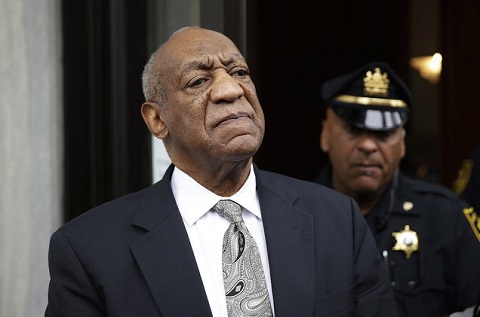
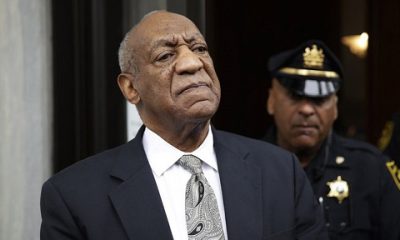
A jury in California has ordered Bill Cosby to pay $19.25m (£14.3m) in damages to a former waitress after finding he drugged and sexually assaulted her in 1972.
The plaintiff, Donna Motsinger, told the court that Cosby gave her wine and a pill—believed to be aspirin—that left her incapacitated after picking her up in a limousine to attend one of his shows. She said she drifted in and out of consciousness, recalling only flashes of light before later waking up at home partially clothed and realising she had been assaulted.
Cosby, now 88, has consistently denied Motsinger’s allegations, as well as similar claims made by numerous women over the years in both civil and criminal proceedings. His legal team indicated that he plans to appeal the verdict.
The case was heard in Santa Monica, where jurors ruled in favour of Motsinger and awarded compensatory damages, with the possibility of additional punitive damages still to be determined.
Motsinger, now 84, had worked at the Trident restaurant in Sausalito, a popular venue frequented by celebrities during the 1970s. According to court filings, Cosby invited her to one of his performances and allegedly administered the drug during the journey.
Cosby’s defence argued that Motsinger could not definitively recall what happened and challenged the credibility of her claims. His lawyer, Jennifer Bonjean, told US media that the ruling would be contested on appeal.
The case adds to a long list of legal battles that have defined Cosby’s later years. Once widely celebrated for his role in The Cosby Show, his legacy has been overshadowed by allegations of sexual misconduct dating back decades.
In 2021, Cosby was released from prison in Pennsylvania after serving nearly three years of a sentence for sexual assault, when his conviction was overturned on a legal technicality. He has maintained that all encounters were consensual.


BTS Comeback Concert on Netflix Draws 18.4 Million Global Viewers

Ferdinand Marcos Promises Oil Supply as Philippines Declares Energy Emergency

Dozens of Bodies, Mostly Infants, Found in Mass Grave in Kenya


-
 News7 days ago
Gas prices in UK and Europe soar after strikes on energy facilities in Qatar and Iran
-
 News1 week ago
Ten killed in fire at India hospital intensive care unit
-
 News1 week ago
US Counterterrorism Chief Resigns Over Iran War, Urges Trump to ‘Reverse Course’
-
 News1 week ago
Israel says Iran’s security chief Ali Larijani has been killed in strike
-

 News1 week ago
Nationwide Blackout Leaves Millions in Cuba Without Power After Grid Collapse
-

 Sports1 week ago
Middle East Conflict Forces Cancellation of Spain vs Argentina Finalissima
-

 Sports1 week ago
Morocco Crowned AFCON 2025 Champions After CAF Overturns Final Result
-
 News1 week ago
Chinese National and Kenyan Associate Charged Over Attempt to Smuggle 2,000 Ants