
Business
Samsung India Workers End Month-Long Strike Following Agreement on Key Demands

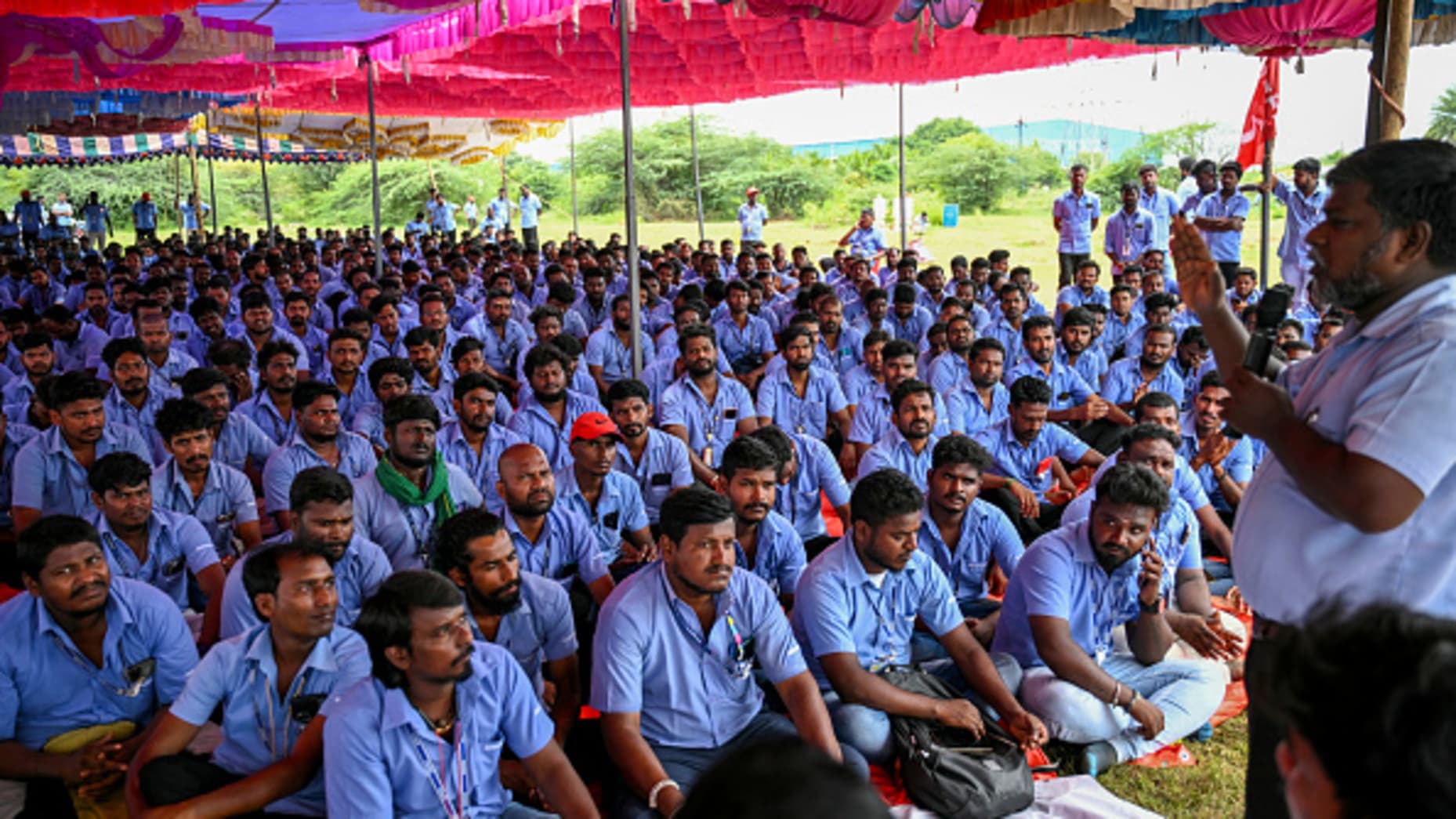
After more than a month of protests, workers at Samsung Electronics’ factory in Tamil Nadu, India, have called off their strike. Around 1,500 workers at the Chennai plant had participated in the strike, pressing for better wages, improved working conditions, and recognition of their newly-formed union, the Samsung India Labour Welfare Union (SILWU).
While Samsung has not yet formally recognized the union, the company has agreed to engage with workers on other demands, including wage increases, medical insurance, and better facilities. The strike, one of the largest faced by the South Korean tech giant in recent years, posed potential challenges to India’s efforts to position itself as a leading alternative to China for manufacturing.
The decision to end the strike followed a meeting between the workers, represented by the Centre of Indian Trade Unions (CITU), and Tamil Nadu labor officials. E. Muthukumar, a labor activist, confirmed that workers would resume their jobs immediately, with the issue of union registration to be decided in court.
Tamil Nadu’s Minister for Industries, TRB Rajaa, assured that Samsung would not retaliate against workers who participated in the strike. Samsung echoed this sentiment, stating that it welcomed the resolution and would continue working closely with its employees to improve the factory’s working environment.










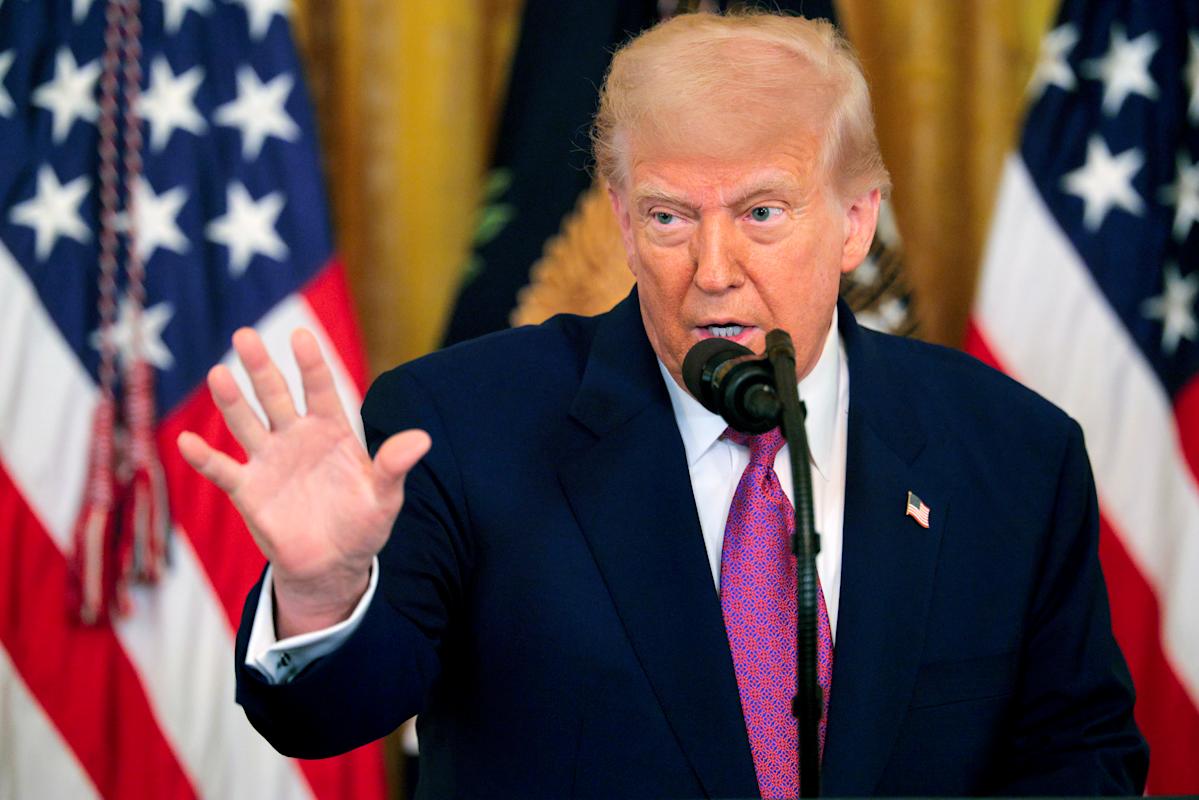
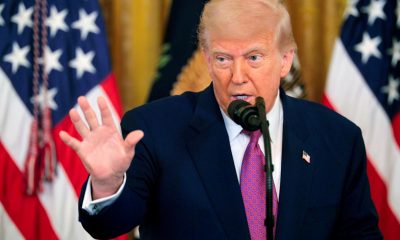
US President Donald Trump has appointed the director of national intelligence to lead a new taskforce focused on artificial intelligence.
Jay Clayton will head the taskforce, which Mr Trump said would coordinate the federal government’s engagement with consumers, companies, public interest groups and “religious organizations”.
The move has drawn criticism from Democrats, including Senator Elizabeth Warren, who has called for stronger regulation of AI.
Mr Trump has opposed laws that could restrict the development of the technology, despite growing debate over the potential risks of AI and its implications for society.
Last week, the president and leaders of major AI companies signed a “morally binding” agreement making the companies responsible for ensuring the safety of their own technology.
Mr Trump, who has sought to promote the term “super intelligence” for AI, wrote on social media that the new “Super Intelligence Force” would coordinate the federal government’s engagement with “Consumers, Public Interest Groups, Religious Organizations, Critical Infrastructure Providers, and Super Intelligence Companies”.
Mr Clayton, a former chair of the Securities and Exchange Commission, will be joined on the taskforce by Andrew Ferguson, head of the Federal Trade Commission, and Emil Michael, undersecretary of defence for research and engineering.
The taskforce will report directly to Mr Trump and White House Chief of Staff Susie Wiles.
Mr Trump has repeatedly rejected calls for a slowdown in AI development, saying the US is leading China in the technology race.
“And, frankly, I want to keep it that way because whoever wins AI, wins,” he said.
President Xi Jinping recently travelled to Washington for a state visit. Days later, Mr Trump ruled out a joint venture between the US and China to develop AI.
“If we do that, we’re going to be giving a lot of secrets that we have that they [China] would want to have, or anybody else,” he said.
The announcement comes amid growing pressure from prominent figures in the technology industry, including executives at OpenAI and Anthropic, for tighter regulation of AI.
Mr Trump first announced the taskforce in September, prompting Senator Warren to criticise the plan.
“Congress cannot meet the pressing threat of AI by just forming another committee or continuing to have drawn-out discussions about it,” she said.
“Let’s actually pass some meaningful regulations on AI to protect people.”

A US ban on several Canadian imports, including alcohol, dairy products and motorcycles, has come into effect as trade tensions between the two neighbouring countries continue.
The latest measure by the Trump administration follows Canada’s introduction of tariffs on a range of US goods earlier this month after trade talks between the two countries broke down.
Canada is not expected to impose further retaliatory measures, with Prime Minister Mark Carney saying earlier this month that the impact of the US import bans on Canada’s economy would be “modest”.
“They call us now and then and we have good conversations about potential deals. But there’s no urgency on our side,” Mr Greer said in an interview with the US network last week.
Tuesday’s ban covers nearly C$1bn ($710m; £530m) worth of Canadian liquor exported to the US, as well as whey products used in protein powder.
Motorcycle exports to the US will also be affected, although Canada exported about 5,000 motorcycles to the US in 2025, worth around C$120m, according to Statistics Canada.
The measures were first announced by President Trump in a series of executive orders signed on 8 September.
In the orders, Mr Trump said the restrictions were in response to what he described as “continued discrimination” by Canada against US dairy, automotive and alcohol products.
Mr Carney said earlier this month that the bans were “relatively modest measures” compared with other trade actions imposed by the US.
He acknowledged, however, that the measures would hurt businesses and sectors directly targeted by the restrictions.
Derek Holt, an economist at Canadian bank Scotiabank, described the measures in an analysis as “face-saving” actions by the US administration rather than substantive measures.
About 93% of Canada’s liquor exports in 2025 went to the US. Spirits Canada, which represents Canadian liquor producers, has warned that the consequences for the industry “could be significant”.
Economists and businesses have also warned that the measures could increase uncertainty over the future of Canada’s trade relationship with the US, its largest trading partner.
The latest restrictions come in addition to US tariffs of 50% on a range of Canadian goods, including dairy, alcohol, steel and aluminium products, and 25% tariffs on Canadian-built cars.
Canada has responded with retaliatory tariffs ranging from 15% to 50% on more than 700 US products, as well as a 25% levy on certain steel and aluminium products.
Most Canadian provinces have also stopped selling US liquor.
Tariffs, which are taxes paid on imported goods, are a central part of Mr Trump’s economic agenda. He has argued that they raise government revenue and encourage consumers to buy American-made products.

Jaguar Land Rover (JLR) is set to cut around 4,000 jobs over the next two years as the carmaker faces growing competition from China, US tariffs and the costly transition to electric vehicles.
The redundancies will mainly affect employees at JLR’s UK-based head office. The company currently employs around 43,000 people worldwide.
JLR’s challenges were compounded by a cyber-attack last year that forced the company to halt production for more than a month.
Chief executive PB Balaji said the company was committed to supporting affected employees throughout the redundancy process.
“The automotive industry faces significant challenges, with technological change amidst intense competition and ongoing geo-political uncertainty,” he said.
JLR hopes to achieve most of the reductions through voluntary redundancy, with employees able to apply until 4 October. However, the company warned that compulsory redundancies could follow if insufficient staff volunteer, with less generous terms.
The affected employees are expected to receive details of the proposals by email in the coming days.
The job cuts form part of a wider effort to save £1.7bn over the next two years as JLR seeks to strengthen its finances and adapt to changing conditions in the global automotive industry.
David Bailey, professor of business and economics at Birmingham University, described JLR as “as strategically important as it gets for the UK economy”.


Mikel Arteta signs new contract with Premier League champions Arsenal

France suspends stun grenade use after teenager loses hand during protests

Christa Pike awake and speaking after failed execution, lawyers say


-

 Business1 week ago
US ban on Canadian alcohol and dairy imports comes into effect as trade tensions continue
-

 News1 week ago
RAF Fairford incident involved ‘foreign actor’, says Marco Rubio
-
News1 week ago
UK-Iranian man arrested in RAF Fairford terror investigation
-
 Entertainment1 week ago
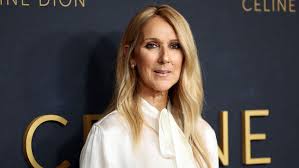
Celine Dion surprises Paris Fashion Week with runway performance
-
 Entertainment1 week ago
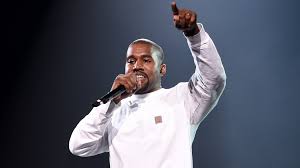
Kanye West’s Russia concerts officially cancelled after weeks of uncertainty
-

 News4 days ago
US withdraws all bombers from RAF Fairford amid security concerns
-

 News1 week ago
Former world snooker champion Graeme Dott jailed for seven years for child sex abuse
-
 Business4 days ago
Trump appoints top intelligence official to lead new AI taskforce