
News
Life Sentence Brings Closure After 2024 Attempt on Trump’s Life

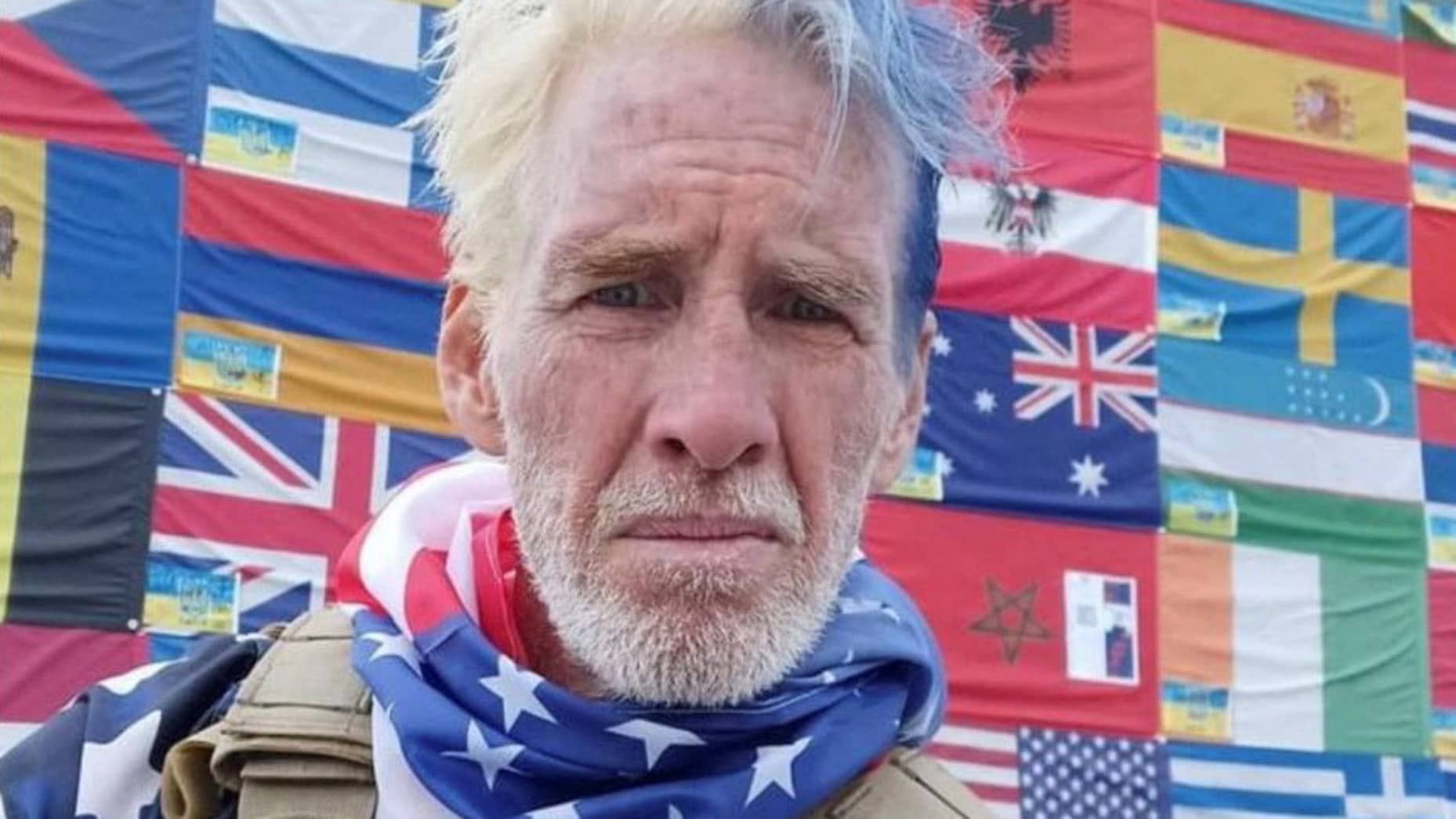
A US federal judge has sentenced Ryan Routh to life in prison for attempting to assassinate President Donald Trump during the 2024 election campaign, bringing a decisive conclusion to one of the most serious security cases in recent American political history.
Routh, 59, was convicted last year of attempting to kill Trump at the Trump International Golf Club in West Palm Beach, Florida, in September 2024, when Trump was still a presidential candidate. The sentencing underscores the gravity with which the US justice system treats threats against democratic processes and national leadership.
In a sentencing memorandum, Judge Aileen Cannon said Routh’s actions “undeniably warrant a life sentence,” citing the sustained and deliberate nature of the plot. She noted that Routh “took steps over the course of months to assassinate a major Presidential candidate, demonstrated the will to kill anybody in the way, and has since expressed neither regret nor remorse to his victims.”
The incident was thwarted after a US Secret Service agent on duty spotted the barrel of a rifle protruding from bushes near the golf course. The agent immediately fired at the suspect, prompting Routh to flee. He was later arrested nearby without further harm to the public or to Trump, a response widely credited to the vigilance and rapid action of security personnel.
Although investigators said Routh did not have a clear line of sight to Trump at the time, federal agents testified that a semiautomatic rifle fitted with a scope and an extended magazine was recovered from the hiding place. Jurors were also told that Routh had compiled a list of locations where Trump was likely to appear and had written a note to a friend explicitly describing the plan as “an assassination attempt.”
Routh, a native of North Carolina who had been living in Hawaii before his arrest, pleaded not guilty and chose to represent himself at trial, which began on 8 September. Throughout the proceedings, he displayed erratic behaviour, at times challenging Trump to a game of golf and making disjointed references to figures such as Adolf Hitler and Russian President Vladimir Putin.
Following the jury’s guilty verdict, Routh attempted to stab himself in the neck with a pen in the courtroom before US marshals intervened and escorted him out, an incident that further highlighted the volatile nature of the case.
In his closing statement, delivered in the third person, Routh ranged across unrelated subjects including US history, the Russia-Ukraine war and his stated plans to buy a boat. Judge Cannon repeatedly interrupted the statement and eventually cleared the courtroom to maintain order.
Prosecutors said the evidence presented left little doubt about Routh’s intentions. Lead prosecutor John Shipley told the court that a “mountain of evidence” demonstrated “how close he got to actually pulling this off,” reinforcing the seriousness of the threat that was averted.
Routh’s lawyer, Martin Ross, confirmed that an appeal would be filed, but the life sentence ensures he will remain incarcerated while any further legal challenges proceed.
The Florida incident was the second attempt on Trump’s life in 2024. In July of that year, a gunman opened fire at a campaign rally in Butler, Pennsylvania, killing one person and injuring several others, including Trump. The shooter, later identified as 20-year-old Thomas Crooks, was shot dead by officers at the scene.






Greece has announced plans to ban social media access for children under the age of 15, in a move aimed at addressing growing concerns over the impact of online platforms on young people’s mental health.
Prime Minister Kyriakos Mitsotakis said the restriction, set to take effect from January next year, is intended to tackle rising levels of anxiety, sleep disruption and what he described as the “addictive design” of social media applications.
In a video message shared on TikTok, Mitsotakis said many young people feel overwhelmed by constant comparisons and pressure to remain online, while parents have raised concerns about poor sleep and increased anxiety among their children.
He described the planned measure as “difficult but necessary,” stressing that the goal is not to distance young people from technology entirely, but to protect them from harmful digital environments. “The addictive design of certain applications… takes away your innocence and your freedom,” he said.
The move places Greece among a growing number of countries seeking stricter controls on children’s use of social media. Australia recently introduced a law requiring platforms such as TikTok, YouTube and Snapchat to remove accounts held by users under 16 or face heavy fines. Other European nations, including France, Austria and Spain, are also pursuing similar restrictions.
In the United Kingdom, the government has launched a consultation on a potential ban for under-16s, while Ireland and Denmark are considering comparable measures.
However, social media companies have pushed back against blanket bans, arguing they may be difficult to enforce and could inadvertently isolate vulnerable teenagers. Reddit is currently challenging Australia’s law in court.
Mitsotakis also signalled Greece’s intention to pursue action at a broader European level. In a letter to Ursula von der Leyen, he called for a unified EU framework to strengthen protections for minors online.
Proposals include mandatory age verification systems for users under 15, a potential Europe-wide ban for that age group, and requirements for platforms to re-verify users’ ages every six months.
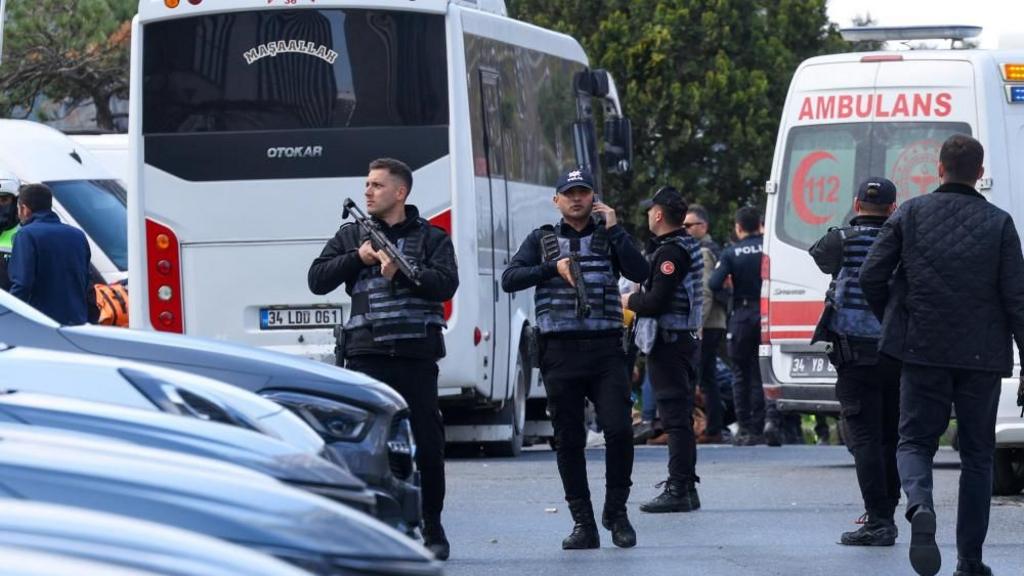
A gunman has been killed and two suspects injured following a shootout near the Israeli consulate in Istanbul, in what Turkish authorities have described as a terrorist attack.
Turkish President Recep Tayyip Erdogan condemned the incident as a “heinous act of terror,” vowing that such attacks would not undermine national security. Interior Minister Mustafa Ciftci confirmed that two police officers were also injured in the exchange of gunfire, though their injuries were not life-threatening.
According to officials, the attackers had travelled to Istanbul from the city of Izmit in a rental car, with two of the suspects identified as brothers. The interior ministry named the deceased gunman as Yunus E.S., stating that he had links to a terrorist organisation “that exploits religion,” a phrase widely understood to refer to the Islamic State group. No organisation has officially claimed responsibility for the attack.
Authorities clarified that only one attacker was killed, correcting earlier reports that suggested two fatalities. The two injured suspects, identified as Onur Ç and Enes Ç, remain in custody as investigations continue.
Officials said the attackers were armed with rifles and pistols and engaged police in a gunfight in broad daylight near the consulate, located in Istanbul’s central Besiktas district. Footage circulating on social media appears to show the moment one of the gunmen was shot by police.
Governor Davut Gul confirmed that no Israeli diplomatic staff were present at the consulate at the time of the incident. The building has reportedly been unoccupied for more than two years amid strained relations between Turkey and Israel over the war in Gaza.
The interior ministry said investigators had uncovered “intensive digital communication” between the suspects and that interrogations of the wounded attackers were ongoing.
“We will not allow the climate of trust in Turkey to be damaged by such vile provocations,” Erdogan said, stressing the government’s determination to maintain stability.
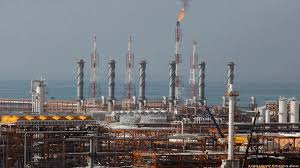
Israel has launched fresh strikes on Iranian energy infrastructure, targeting key petrochemical facilities amid escalating regional tensions tied to the strategic Strait of Hormuz.
Iranian media reported that the Marvdasht Petrochemical Complex was hit in what officials described as an “enemy attack.” The Fars news agency said the strike caused a fire that was quickly brought under control, while the semi-official Tasnim news agency, citing local authorities, reported that the damage to the facility was not significant.
Earlier, Israel confirmed it had struck the South Pars petrochemical plant in Asaluyeh, one of Iran’s most critical energy hubs. Israeli Defence Minister Israel Katz acknowledged the operation, while Iranian outlets said several production units were damaged but no casualties were recorded.
The strikes come against the backdrop of heightened warnings from U.S. President Donald Trump, who has threatened broader attacks on Iranian infrastructure if Tehran does not reopen the Strait of Hormuz. In a recent social media post, Trump warned that Tuesday could mark “Power Plant Day and Bridge Day” if Iran fails to comply.
The Strait of Hormuz is a vital global shipping route through which roughly 20% of the world’s oil supply passes, making any disruption a major concern for international markets.
In addition to infrastructure targets, the Israel Defense Forces said it had killed the intelligence chief of Iran’s Islamic Revolutionary Guard Corps, a move that signals a deepening escalation in direct confrontations.
Across the wider region, military activity has intensified. Reports from Lebanon describe near-constant fighter jet activity, while in northern Israel, a separate strike has killed four people.


Leicester City Lose Appeal Against Points Deduction

Greece to Ban Social Media Access for Under-15s in Push to Protect Youth

Universal Music Receives $64bn Takeover Bid From Pershing Square


-
 Sports1 week ago
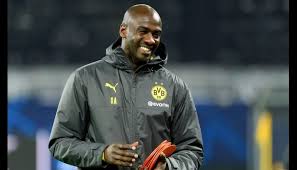
Ghana sack manager Addo Just 72 days before World Cup
-
 News6 days ago
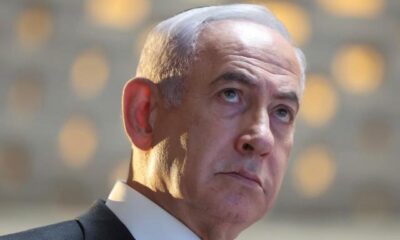
Netanyahu claims most of Iran’s steel production destroyed as Tehran targets Gulf energy sites
-
 Sports1 week ago
Scott Brown Leaves Ayr United Role by Mutual Consent
-
 Entertainment1 week ago
Céline Dion Announces Comeback Shows After Health Battle: “I’m So Ready for This”
-

 Sports1 week ago
Cyclist killed at Worlds not found for 82 minutes
-
 News1 week ago
Donald Trump to Address Nation on Iran War Amid Uncertainty Over Next Move
-
 General1 week ago
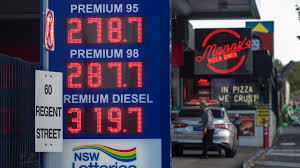
Australia Cuts Fuel Tax and Offers Free Transport as Energy Crisis Bites
-
 News6 days ago
French Court Clears Muslim Gathering in Paris, Upholding Civil Liberties