
Tech
China Leads the Global Race in Generative AI Patents, with Tencent and Baidu at the Forefront

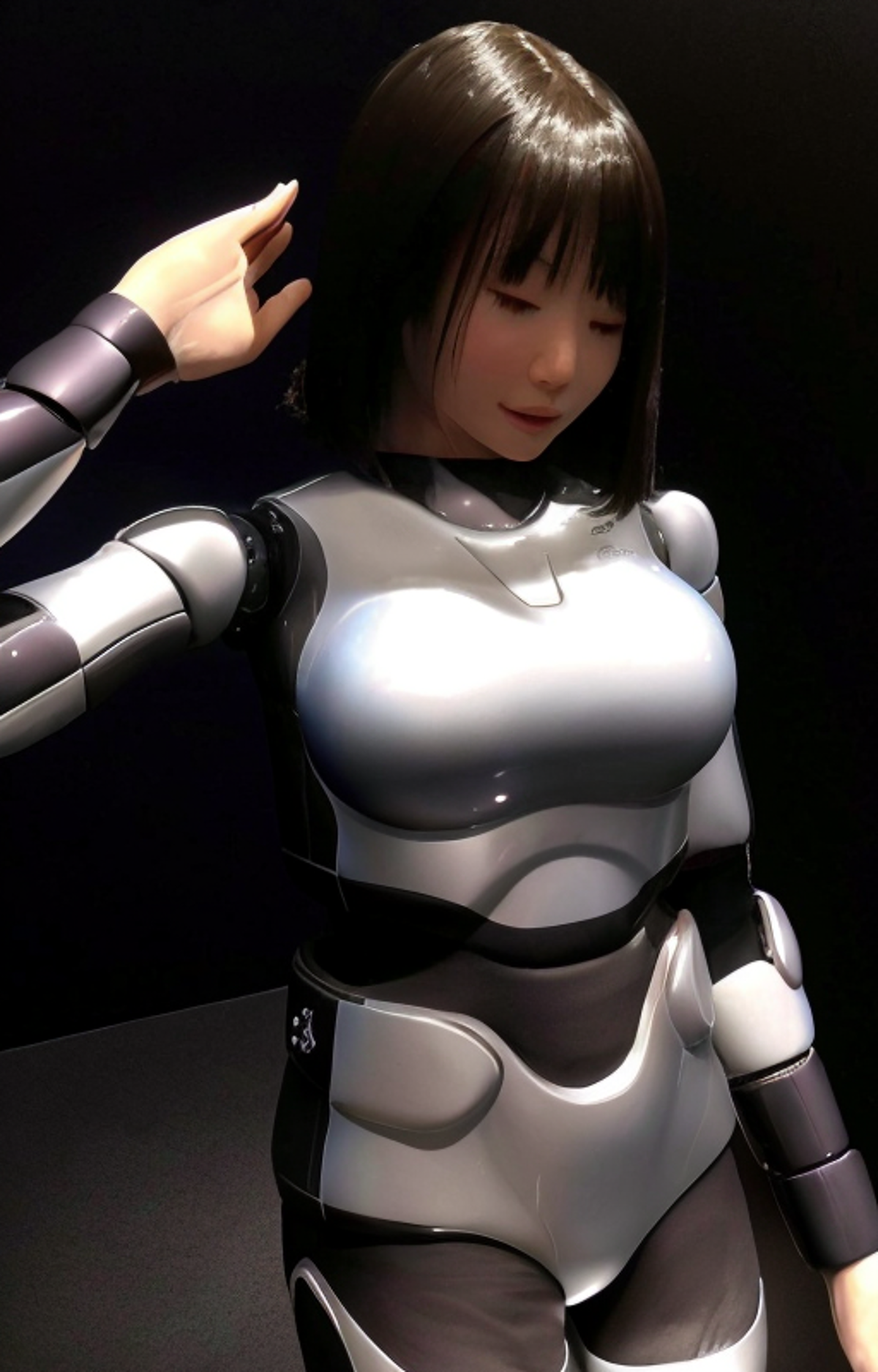
China has taken a commanding lead in the global race for generative artificial intelligence patents, filing over 38,000 patents from 2014 to 2023, according to a new report from the United Nations World Intellectual Property Organization (WIPO). This figure is six times higher than the number of patents filed by U.S.-based inventors.
Generative AI, which includes technologies that can create text, images, music, audio, and videos, accounts for 6% of the total AI patents worldwide. China’s patent activity in this field outpaces that of the U.S. (6,276 patents), the Republic of Korea (4,155), Japan (3,409), and India (1,350).
The surge in patent filings reflects significant technological advancements and the growing potential of generative AI. China’s tech giants, including Tencent and Baidu, have been instrumental in this growth, developing large language models (LLMs) to compete with U.S. counterparts like OpenAI, Microsoft, Google, and Amazon.
Following the global success of ChatGPT in November 2022, Chinese companies such as Alibaba and Baidu have launched their own LLMs. To bolster its position in the tech race, China introduced a three-year “action plan” in May to enhance standards in AI chips and generative AI, as well as to expand national computing power. This plan aims to drive technological and economic development, leveraging China’s vast market for consumers and industry partners to innovate and apply generative AI technologies across various sectors.
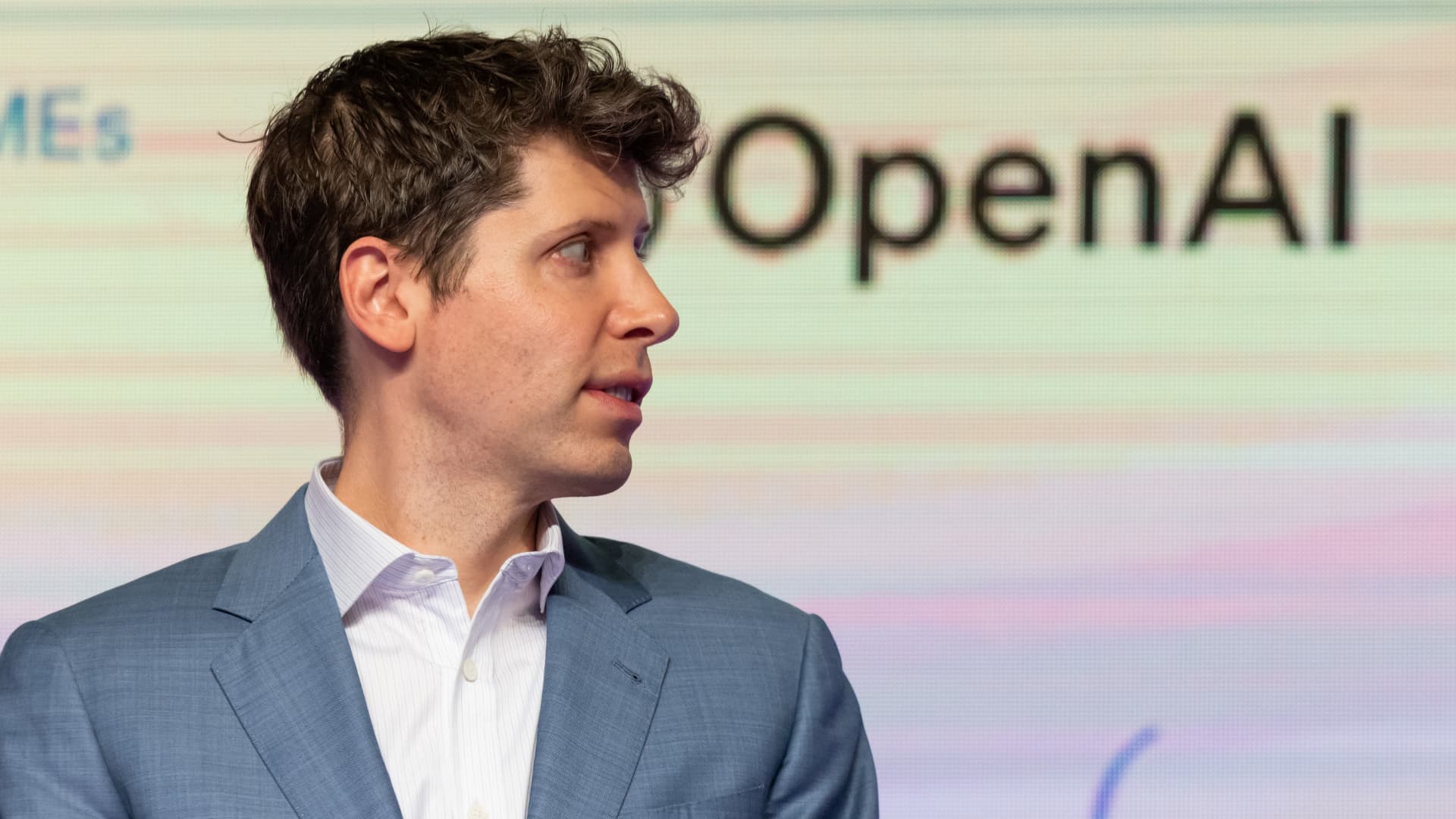
OpenAI says it is amending its recent agreement with the United States Department of Defense following criticism over the potential use of its technology in classified military operations.
Chief executive Sam Altman announced that the company will insert clearer restrictions into the contract, explicitly prohibiting the intentional use of its systems for domestic surveillance of US citizens and nationals.
The controversy emerged after tensions between OpenAI’s rival Anthropic and the Pentagon, related to concerns that Anthropic’s AI model, Claude, could be used for mass surveillance or in fully autonomous weapons systems.
In a statement over the weekend, OpenAI said its Pentagon agreement contained “more guardrails than any previous agreement for classified AI deployments”. However, Altman later acknowledged that the rollout of the deal had been rushed.
“The issues are super complex, and demand clear communication,” he wrote on social media, adding that the company had sought to de-escalate tensions but recognised that the announcement appeared “opportunistic and sloppy”.
Under the revised terms, intelligence agencies such as the National Security Agency would require additional contractual modifications before being permitted to use OpenAI systems.
The backlash has had measurable effects. Reports indicate that day-over-day uninstalls of the ChatGPT mobile app surged sharply following the announcement, while Anthropic’s Claude climbed to the top of Apple’s App Store rankings.
Anthropic’s model had previously been blacklisted by the administration of Donald Trump after the company refused to abandon a corporate principle barring the use of its technology in fully autonomous weapons. Despite that position, reports have since indicated that Claude was used in the US-Israel conflict with Iran shortly after the ban.
The Pentagon has declined to comment on its arrangements with Anthropic.
X has announced that its artificial intelligence tool, Grok, will no longer be able to edit images of real people to depict them in revealing clothing in jurisdictions where such activity is illegal, following widespread backlash over the misuse of sexualised AI deepfakes.
In a statement published on the platform, X said it had introduced new safeguards to prevent the Grok account from being used to manipulate photos of real individuals in a sexualised manner. “We have implemented technological measures to prevent the Grok account from allowing the editing of images of real people in revealing clothing,” the company said.
The move has been welcomed by UK authorities, who had previously raised concerns about the tool’s use. The UK government described the decision as a “vindication” of its calls for X to take stronger action to control Grok. Media regulator Ofcom also said the change was a “welcome development”, while stressing that its investigation into whether the platform breached UK laws is still under way.
“We are working round the clock to progress this and get answers into what went wrong and what’s being done to fix it,” Ofcom said, signalling continued scrutiny despite the latest measures.
Technology Secretary Liz Kendall welcomed X’s announcement but emphasised the need for accountability. She said she would “expect the facts to be fully and robustly established by Ofcom’s ongoing investigation”, underlining the government’s commitment to ensuring online safety rules are upheld.
However, campaigners and victims of AI-generated sexualised images say the decision has come after significant harm had already been caused. Journalist and campaigner Jess Davies, who was among women whose images were edited using Grok, described the changes as a “positive step” but said the feature should never have been permitted in the first place.
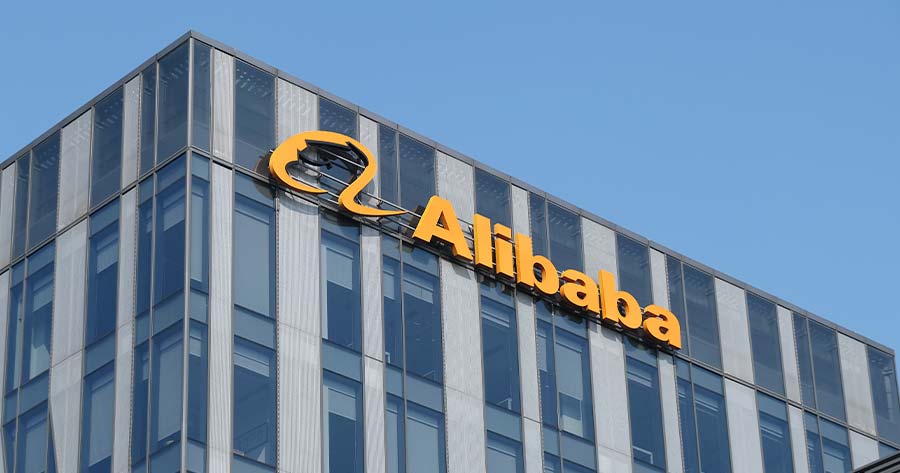
Chinese tech giant Alibaba has made its latest AI video generation models freely available worldwide, intensifying competition with rivals such as OpenAI.
The company announced on Wednesday that it is open-sourcing four models from its Wan2.1 series, its most advanced AI model capable of generating images and videos from text and image inputs. These models will be accessible via Alibaba Cloud’s Model Scope and Hugging Face, making them available to academics, researchers, and businesses globally.
Following the announcement, Alibaba’s Hong Kong-listed shares surged nearly 5%, continuing a strong rally that has seen the stock gain 66% in 2025. Investors have been optimistic about the company’s growing role in AI and its improving financial performance, buoyed by recent policy signals from Chinese President Xi Jinping supporting the domestic private sector.
Alibaba’s move aligns with a broader trend in China, where companies are increasingly embracing open-source AI. In January, DeepSeek, another Chinese firm, shook global markets by revealing that its AI model was trained at a fraction of the cost of competitors, using less-advanced Nvidia chips. Both Alibaba’s and DeepSeek’s models are open-source, meaning they can be downloaded and modified freely, unlike proprietary AI models such as those developed by OpenAI, which generate direct revenue.
The shift towards open-source AI has sparked debate over whether AI models will become commoditized. While companies like Meta are leading the open-source push in the U.S. with their Llama models, Chinese firms have been particularly aggressive in this space, aiming to drive innovation and build global AI communities.


Universal Music Receives $64bn Takeover Bid From Pershing Square

Gunman Killed in Shootout Near Israeli Consulate in Istanbul, Two Officers Injured

Rapper Offset Shot Outside Florida Casino


-

 Sports1 week ago
Ghana sack manager Addo Just 72 days before World Cup
-

 Sports1 week ago
Scott Brown Leaves Ayr United Role by Mutual Consent
-

 News5 days ago
Netanyahu claims most of Iran’s steel production destroyed as Tehran targets Gulf energy sites
-
 Entertainment1 week ago
Céline Dion Announces Comeback Shows After Health Battle: “I’m So Ready for This”
-
 News6 days ago
Donald Trump to Address Nation on Iran War Amid Uncertainty Over Next Move
-

 Sports1 week ago
Cyclist killed at Worlds not found for 82 minutes
-

 General1 week ago
Australia Cuts Fuel Tax and Offers Free Transport as Energy Crisis Bites
-

 News4 days ago
French Court Clears Muslim Gathering in Paris, Upholding Civil Liberties