
Business
CDC Declares McDonald’s E. coli Outbreak Over

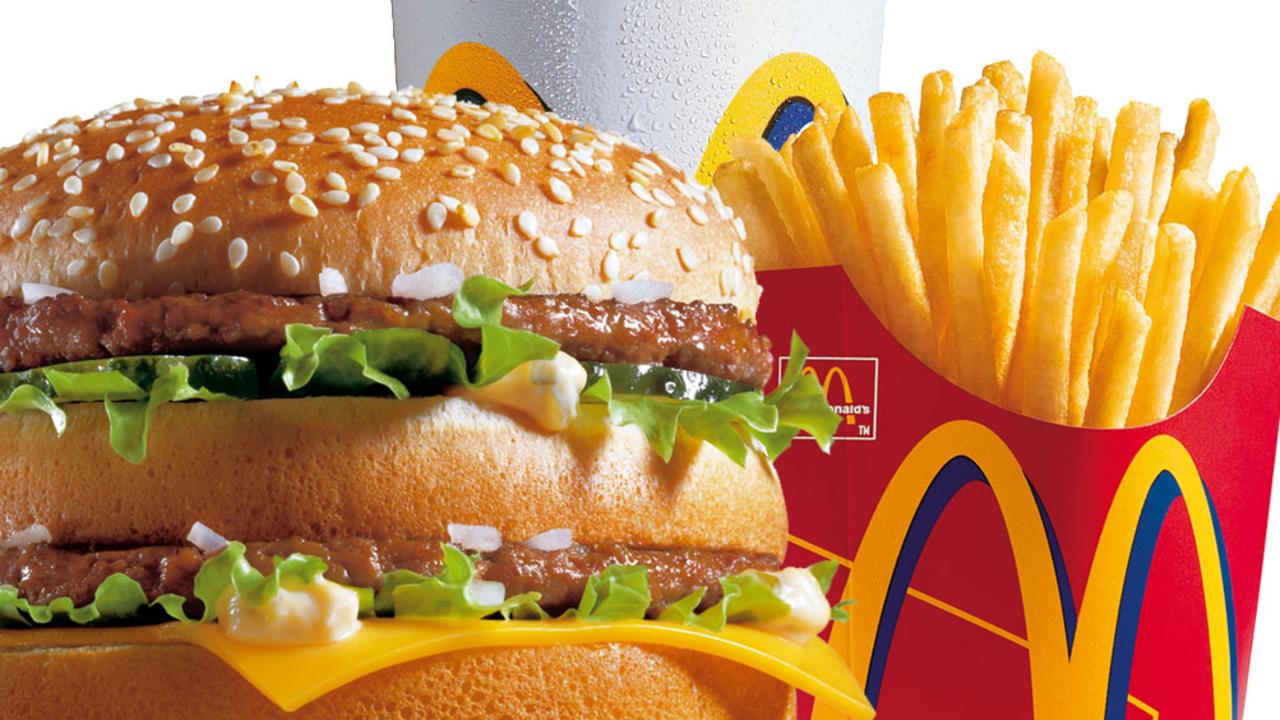
The Centers for Disease Control and Prevention (CDC) announced on Tuesday that the E. coli outbreak linked to slivered onions served at McDonald’s has officially ended, concluding an investigation that began over a month ago.
- The outbreak affected 104 people across 14 states, leading to 27 hospitalizations and one death—a Colorado resident.
- Fresh slivered onions, used in Quarter Pounders and other menu items, were identified as the likely culprit.
During the outbreak, McDonald’s temporarily removed Quarter Pounders from select locations to mitigate risks. The burgers have since returned to the menu, but the incident has left its mark on the company’s reputation and operations.
- McDonald’s U.S. restaurant visits dropped 6.6% year-over-year on November 18, recovering slightly from an earlier peak decline of 11% in late October.
- States initially linked to the outbreak saw sharper declines, with traffic falling by 9.5% collectively on November 18.
- McDonald’s is investing over $100 million in marketing efforts and targeted financial assistance for impacted franchisees.
- Despite a “farewell tour” last year, the McRib has returned as a limited-time offering. A new value menu will debut in January to attract cost-conscious diners.
In an internal memo, Michael Gonda, North American Chief Impact Officer, and Cesar Pina, Chief Supply Chain Officer, emphasized the company’s commitment to regaining consumer trust and rebuilding brand loyalty.
“Looking ahead, we must remain laser-focused on regaining our customers’ hard-earned trust and reigniting their brand affinity,” the executives stated.


Universal Music Group has received a takeover offer valued at approximately $64.3bn (£48bn), in a potential deal that could reshape the global music industry.
The bid has been made by Pershing Square Capital Management, whose billionaire chief executive Bill Ackman said the proposal would involve a merger and lead to the combined company being listed in the United States. Pershing Square already holds a stake in Universal.
Universal Music, the world’s largest music company, represents a wide roster of global stars including Taylor Swift, Sabrina Carpenter and Kendrick Lamar. It also owns iconic assets such as Abbey Road Studios and major record labels including EMI and Island Records.
The company has yet to respond publicly to the offer.
Ackman praised Universal’s leadership, saying it had built a “world-class artist roster” and delivered strong business performance. He added that the company had successfully adapted to industry changes, particularly by embracing opportunities presented by artificial intelligence while safeguarding intellectual property.
However, he argued that Universal’s stock had underperformed due to factors unrelated to its core business, suggesting these issues could be resolved through the proposed transaction.
Pershing Square’s broader investment portfolio includes stakes in major technology firms such as Google, Meta Platforms and Amazon, as well as Restaurant Brands International, the parent company of Burger King.
Market analysts note that while Universal dominates the global music industry—home to nine of the top 10 recording artists of 2025—its revenue growth is closely tied to streaming platforms like Spotify and Apple Music, where slower-than-expected growth has raised concerns.
Although global music revenues have rebounded in recent years thanks to streaming subscriptions, debates continue over royalty payments to artists. At the same time, the rise of AI-generated deepfake music—where fraudsters imitate established artists—has emerged as a growing challenge for the industry.
In a letter to Universal’s board, Ackman said the company had “dramatically underperformed” key stock indexes, citing uncertainty around a significant stake held by Bolloré Group, controlled by billionaire Vincent Bolloré, as well as delays to a planned New York listing.

Global oil prices climbed sharply and stock markets slipped after additional attacks on cargo vessels in the Gulf heightened fears about energy supply disruptions.
Benchmark Brent crude briefly rose more than 9% on Thursday, pushing prices back above $100 per barrel before easing slightly to about $97.90 later in the session.
The surge came despite an announcement by the International Energy Agency (IEA) that it would release a record 400 million barrels of oil from strategic reserves in an effort to stabilise markets and limit the economic fallout from the conflict involving the United States, Israel and Iran.
Market anxiety intensified after reports that three more cargo vessels had been struck in the region, adding to concerns that shipping routes critical to global energy supplies could remain under threat.
Investors fear the global economic recovery could be delayed if attacks on shipping and energy infrastructure continue around the Strait of Hormuz, one of the world’s most important maritime routes for oil and gas.
The narrow waterway serves as a major transit corridor for crude oil shipments and liquefied natural gas exports. Refineries in surrounding countries also produce large quantities of jet fuel and diesel that are distributed worldwide.
Because of security concerns, the strait is now effectively closed to many vessels as shipping companies weigh the risks of operating in the area.
A spokesperson for the Islamic Revolutionary Guard Corps warned that ships linked to the United States, Israel or their allies could be targeted.
“You will not be able to artificially lower the price of oil. Expect oil at $200 per barrel,” the spokesperson said.
“The price of oil depends on regional security, and you are the main source of insecurity in the region.”
Global stock markets reacted negatively to the escalating situation. In Europe, the FTSE 100 in London fell by 0.6% in early trading, while Germany’s DAX, France’s CAC 40 and Spain’s IBEX 35 also declined.
In Asia, Japan’s Nikkei 225 ended the day about 1% lower.
The IEA said the conflict in the Middle East is “creating the largest supply disruption in the history of the global oil market”.
According to the agency, several major producers — including Iraq, Qatar, Kuwait, the United Arab Emirates and Saudi Arabia — have collectively reduced oil output by at least 10 million barrels per day.
The IEA warned that restoring production could take weeks or even months depending on how quickly workers, equipment and other resources can safely return to affected energy facilities.
All 32 member countries of the agency have agreed to the unprecedented release of oil reserves in a coordinated effort to ease supply shortages and bring down rising prices.
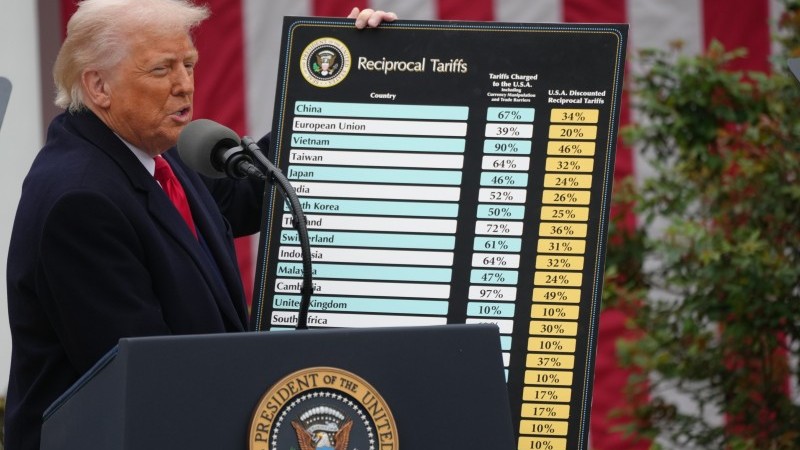
The Supreme Court of the United States has struck down some of the most expansive global tariffs introduced by Donald Trump, reshaping the legal landscape around executive authority in trade policy and creating fresh uncertainty in international markets.
In a 6–3 decision, the court ruled that the legal basis used by the administration to impose sweeping tariffs did not grant the president authority to do so. The judgment paves the way for potentially billions of dollars in refunds to businesses and states that challenged the measures.
At the centre of the case was the administration’s reliance on the International Emergency Economic Powers Act (IEEPA), a statute that allows the president to regulate economic activity during national emergencies. The White House argued the tariffs were justified under this authority as part of efforts to address drug trafficking and trade imbalances.
However, challengers contended that while the law permits regulation, it makes no explicit provision for imposing tariffs — a power traditionally reserved for Congress.
Writing for the majority, Chief Justice John Roberts emphasised that when Congress delegates tariff powers, it does so clearly and with defined limits.
The ruling affects duties introduced last year on imports from numerous countries, initially targeting partners such as Mexico, Canada, and China before expanding significantly during the administration’s “Liberation Day” policy push in April.
Supporters of the tariffs had argued they would stimulate domestic investment and revitalise US manufacturing. Critics, however, warned of higher import costs and broader economic ripple effects.
The case was widely viewed as a defining test of executive reach in trade matters — and of the judiciary’s readiness to scrutinise policy initiatives central to the administration’s agenda.
With the decision now issued, the balance between presidential emergency powers and congressional authority over taxation and trade has been more sharply defined, setting an important precedent for future administrations.


Leicester City Lose Appeal Against Points Deduction

Greece to Ban Social Media Access for Under-15s in Push to Protect Youth

Universal Music Receives $64bn Takeover Bid From Pershing Square


-

 Sports1 week ago
Ghana sack manager Addo Just 72 days before World Cup
-

 Sports1 week ago
Scott Brown Leaves Ayr United Role by Mutual Consent
-

 News5 days ago
Netanyahu claims most of Iran’s steel production destroyed as Tehran targets Gulf energy sites
-

 Sports1 week ago
Cyclist killed at Worlds not found for 82 minutes
-

 Entertainment1 week ago
Céline Dion Announces Comeback Shows After Health Battle: “I’m So Ready for This”
-
 News7 days ago
Donald Trump to Address Nation on Iran War Amid Uncertainty Over Next Move
-
 General1 week ago
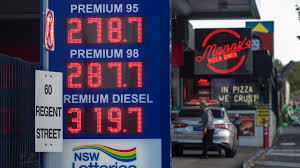
Australia Cuts Fuel Tax and Offers Free Transport as Energy Crisis Bites
-

 News5 days ago
French Court Clears Muslim Gathering in Paris, Upholding Civil Liberties