
News
Defiant Yoon Suk Yeol Fortifies Residence as Arrest Deadline Nears

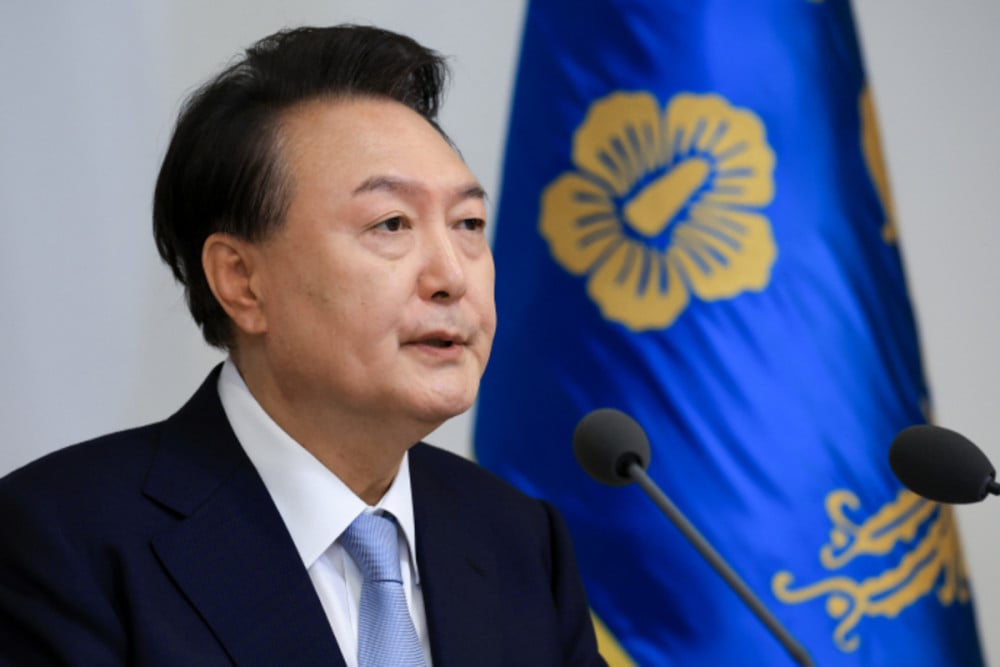
South Korea’s suspended president, Yoon Suk Yeol, remains entrenched in his fortified residence as the deadline for his arrest warrant on charges of insurrection and abuse of power approaches. Yoon, who was impeached following his controversial attempt to impose martial law, has refused to surrender, escalating a constitutional crisis in the country.
Over the weekend, Yoon’s security team erected barbed wire and barricaded the compound with buses, thwarting investigators who sought to arrest him on Friday. After a six-hour standoff, investigators withdrew, unable to bypass the presidential security service.
The arrest warrant, tied to Yoon’s brief martial law order citing threats from North Korea and “anti-state forces,” is set to expire Monday. Investigators have sought an extension and requested police assistance to execute the warrant. However, police have declined, citing legal ambiguities, and stated that responsibility should remain with anti-corruption investigators.
Public opinion is deeply divided, with thousands of protesters rallying in heavy snow over the weekend, both supporting and opposing Yoon. The political turmoil coincides with a high-stakes visit by U.S. Secretary of State Antony Blinken, aiming to stabilize regional relations ahead of the incoming Donald Trump presidency.
Yoon’s legal team has challenged the legitimacy of the arrest warrant, claiming anti-corruption investigators lack jurisdiction over insurrection cases. The presidential security service has echoed this argument, emphasizing Yoon’s status as a sitting president until the constitutional court rules on his impeachment.
Yoon’s lawyers have filed complaints against investigators for their actions, arguing that he has been “practically detained in his residence.” An injunction against the warrant was rejected by the court, and an appeal is being considered.







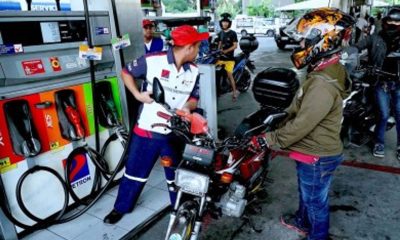

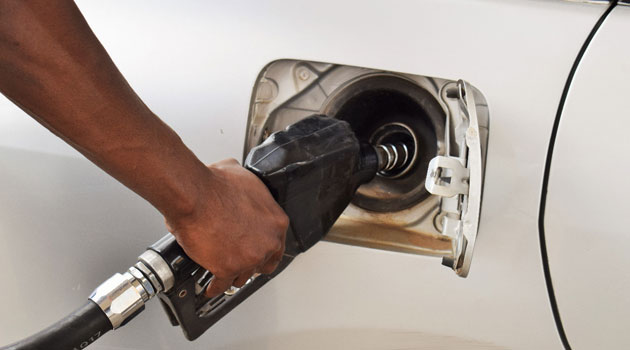
Global oil prices dropped sharply after Iran announced that the Strait of Hormuz would be “completely open” to commercial vessels for the remainder of the ceasefire.
The price of Brent crude fell to around $88 per barrel, down from above $98 earlier in the day, reflecting a rapid easing of supply concerns that had gripped global markets for weeks.
Iranian Foreign Minister Abbas Araghchi confirmed the development, stating that all commercial shipping would be allowed to pass freely through the strategic waterway during the ceasefire period.
The Strait of Hormuz, a narrow channel connecting the Gulf to the Arabian Sea, is one of the world’s most critical energy corridors, typically handling about one-fifth of global oil and liquefied natural gas shipments.
Markets reacted swiftly to the announcement. Major U.S. stock indices rallied in early trading, with the S&P 500 rising by 0.8%, while the Nasdaq Composite and the Dow Jones Industrial Average each gained more than 1%.
European markets also posted strong gains, with France’s CAC 40 and Germany’s DAX both climbing over 2%, while the UK’s FTSE 100 rose by around 0.5%.
The reopening follows weeks of disruption after the Strait was effectively closed amid escalating conflict involving Iran, the United States, and Israel. The shutdown had significantly reduced global oil and gas supplies, pushing prices above $100 per barrel and peaking at over $119 in March.
Before the conflict began, Brent crude had been trading below $70 per barrel, underscoring the scale of the price surge triggered by the الأزمة.
The spike in energy prices had ripple effects across the global economy, driving up petrol and diesel costs, increasing pressure on airlines due to rising jet fuel prices, and raising concerns over food inflation. The Strait is also a key route for fertiliser exports, with roughly a third of critical fertiliser chemicals passing through it.
However, there are early signs of relief. In the UK, fuel prices have begun to ease slightly, marking the first decline since the conflict began, though costs remain significantly higher than pre-war levels.
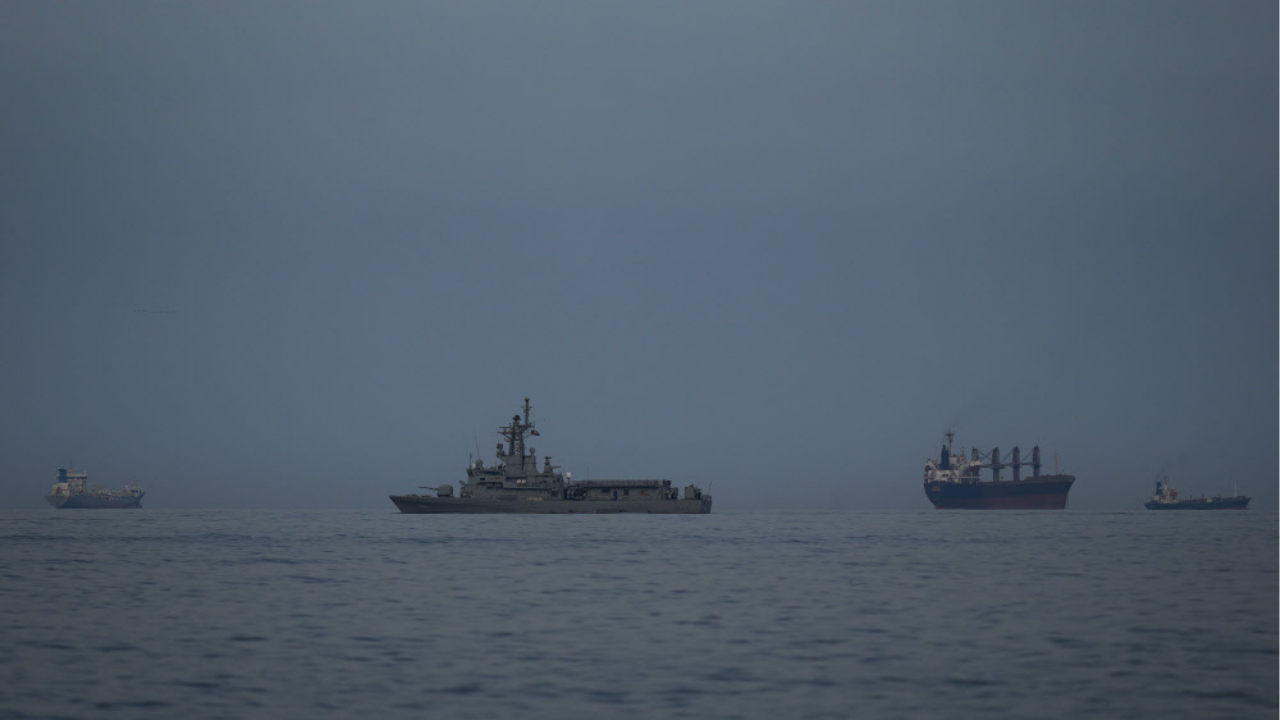
The Strait of Hormuz has been declared “completely open” to commercial shipping for the duration of the ceasefire, according to Iran, offering a potential easing of global energy supply concerns.
In a follow-up statement, U.S. President Donald Trump confirmed that the waterway is “COMPLETELY OPEN AND READY FOR BUSINESS,” but stressed that a U.S. naval blockade targeting Iran would remain in place.
“THE NAVAL BLOCKADE WILL REMAIN IN FULL FORCE AND EFFECT AS IT PERTAINS TO IRAN, ONLY, UNTIL SUCH TIME AS OUR TRANSACTION WITH IRAN IS 100% COMPLETE,” Trump said, adding that negotiations were close to being finalised.
The development signals a partial de-escalation in tensions, though the continued U.S. naval presence underscores the fragile nature of the ceasefire and ongoing diplomatic process.
Reacting to the announcement, UK Prime Minister Keir Starmer welcomed Iran’s decision but cautioned that any reopening must be sustained and credible.
He said international leaders had united behind a clear message that the strait should remain open without tolls or restrictions, emphasising the need for stability in global shipping routes.
Starmer also called for the swift resumption of maritime traffic to help mitigate the economic shock caused by weeks of disruption.
In a further sign of coordinated international action, he announced that the United Kingdom and France would lead a multinational mission aimed at safeguarding freedom of navigation in the region once conditions allow.
The mission, described as “strictly peaceful and defensive,” is expected to involve around a dozen countries. A planning conference is scheduled to take place in London next week to coordinate contributions and operational details.
“Our citizens need to see a return to peace and stability,” Starmer said, highlighting the broader global stakes tied to the security of the vital shipping route.
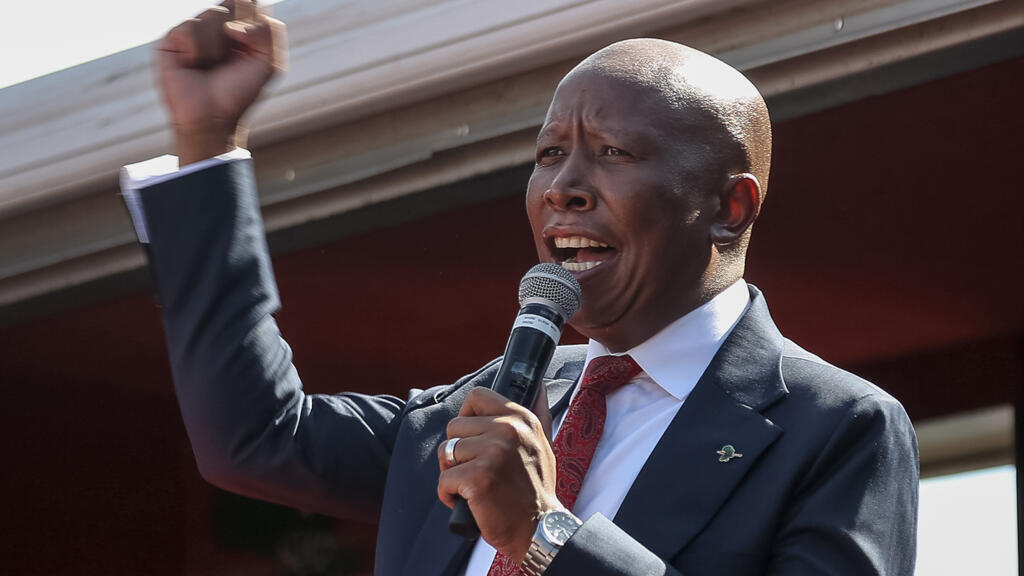
South African opposition leader Julius Malema has been sentenced to five years in prison after being found guilty of firearm-related offences, marking a significant development in the country’s political landscape.
The 45-year-old leader of the Economic Freedom Fighters (EFF) was convicted on multiple charges, including unlawful possession of a firearm, discharging a weapon in a public space, and reckless endangerment.
The sentencing was delivered at a court in East London by Magistrate Twanet Olivier. Malema, dressed in a dark suit and red tie, showed little visible reaction as the ruling was read out.
His legal team immediately filed an appeal in an effort to prevent his immediate imprisonment, setting the stage for a potentially lengthy legal battle that could reach higher courts.
The charges stem from a 2018 incident during the EFF’s fifth anniversary celebrations in the Eastern Cape, where a video surfaced showing Malema firing a semi-automatic rifle into the air. In his defence, he argued that the weapon was not his and that he discharged it to energise the crowd.
However, the court rejected this explanation, with Magistrate Olivier stating the act was deliberate and central to the event, rather than spontaneous.
Malema, a member of parliament and a prominent political figure, has built a reputation as a vocal and polarising leader advocating for radical economic reforms, including land redistribution and wealth transfer policies. His party has gained significant support, emerging as one of the country’s major political forces in recent elections.
Supporters gathered outside the courthouse during the proceedings, chanting and singing in solidarity with the EFF leader, underscoring his strong grassroots backing.
Malema previously served as head of the youth wing of the African National Congress (ANC) before being expelled following a dispute with former President Jacob Zuma. He later founded the EFF, which has since eroded portions of the ANC’s electoral base.
Reacting to his conviction last year, Malema struck a defiant tone, saying that imprisonment or even death would be “a badge of honour” in the struggle he represents. He has also pledged to challenge the ruling all the way to Constitutional Court of South Africa if necessary.
The case was initiated by AfriForum, an Afrikaner lobby organisation that has frequently clashed with Malema and his party.
In a separate matter last year, Malema was also found guilty of hate speech over controversial remarks made at a 2022 rally, further adding to his mounting legal challenges.


Oil Prices Tumble as Iran Reopens Strait of Hormuz During Ceasefire

US Singer D4vd Arrested on suspicion Over Teen Girl’s Death

Strait of Hormuz ‘completely open’ to commercial ships


-
 News1 week ago
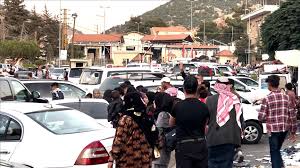
Israel Orders Evacuation in Beirut Suburbs as Safety Warnings Issued Ahead of Planned Strikes
-
 News7 days ago
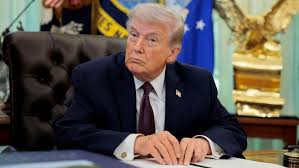
Trump Orders U.S. Navy to Blockade Strait of Hormuz After Iran Talks Collapse
-

 Business1 week ago
Dolce & Gabbana co-founder steps down as chair
-

 Sports1 week ago
Nike investigating issue with World Cup kits
-

 Sports7 days ago
Prograis announces retirement after Benn Defeat in Emotional Farewell
-
 News1 week ago
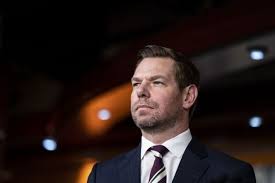
Calls grow for Swalwell to quit California governor race after sexual assault allegations
-
 Entertainment1 week ago
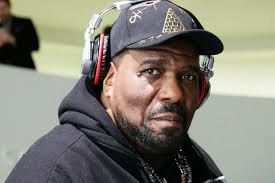
Hip-Hop Pioneer Afrika Bambaataa Dies at 68
-
 News1 week ago
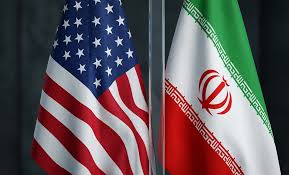
Iran-US peace talks take place After Decades of Conflict