
Politics
Trump Moves to Reshape Education System with Bold Reform Effort

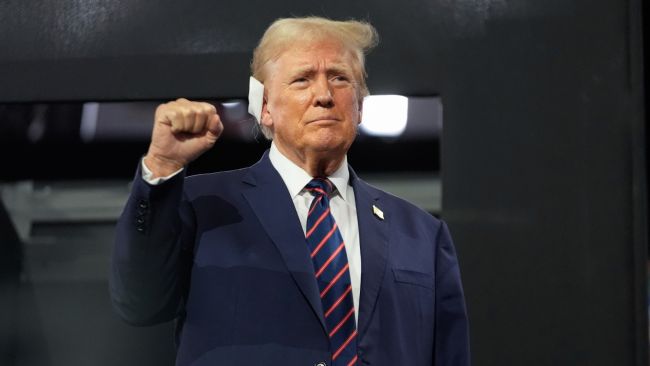
In a significant policy shift, President Donald Trump has signed an executive order aimed at dismantling the Department of Education, fulfilling a key campaign promise and advancing a long-standing goal of some conservative leaders. The move is designed to redirect funding and decision-making power to individual states, emphasizing local control over education.
During the signing ceremony at the White House, Trump highlighted the importance of streamlining government operations and ensuring that resources are used effectively to improve student outcomes. Surrounded by students, he stated, “The US spends more on education than most countries, yet our students’ performance does not reflect that investment. It’s time to empower states and communities to make the best decisions for their schools.”
The Department of Education, established in 1979, primarily oversees student loans and federal programs for low-income students. While only about 13% of primary and secondary school funding comes from federal sources, the administration believes that decentralizing control will allow for more targeted and effective educational strategies.
A Focus on Transition and Continuity
The executive order directs Education Secretary Linda McMahon to take necessary steps to transfer authority to state and local governments while ensuring a smooth transition that maintains critical services. The White House emphasized that no immediate disruptions would occur in educational support programs.
McMahon reassured department employees in a memo, stating, “This is our opportunity to perform one final, unforgettable public service to future generations of students. Our mission is to leave American education stronger, freer, and more hopeful.”
Challenges and Next Steps
While Trump’s order sets the stage for significant change, fully closing the department would require congressional approval. Senator Bill Cassidy has already announced plans to introduce legislation supporting the effort, though it faces hurdles in the Senate. Meanwhile, the administration is expected to reduce the department’s funding and reassign certain programs to other federal agencies, ensuring an efficient allocation of resources.
As the administration moves forward with its education reforms, the focus remains on strengthening opportunities for students, reducing bureaucracy, and ensuring states have greater control over their educational systems. The coming months will determine how these changes unfold and what impact they will have on the future of American education.








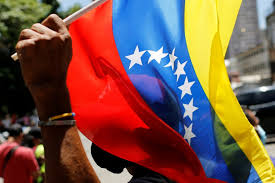
The United Nations says it has received troubling reports that detainees in Venezuela continue to face torture and mistreatment even after the removal of former president Nicolás Maduro earlier this year.
Speaking to the United Nations Human Rights Council, UN High Commissioner for Human Rights Volker Türk said allegations indicate that serious human rights abuses may still be taking place inside the country’s detention system.
Maduro was captured by United States Armed Forces during a January operation and later transferred to US custody to face charges related to narcotics trafficking.
Following his removal, former vice-president Delcy Rodríguez assumed power and has introduced an amnesty law aimed at freeing detainees. Türk welcomed the measure but warned that deeper human rights problems remain.
“Structural and systemic human rights concerns have persisted,” he said.
According to Türk, many Venezuelans remain in arbitrary detention despite the amnesty legislation passed last month. He noted that at least one child is among those reportedly being held.
Authorities in Caracas say thousands of people have been granted freedom under the new law. The Venezuelan parliament — dominated by Maduro loyalists — claims more than 7,700 individuals have been released or had restrictions lifted.
However, the prisoners’ rights organisation Foro Penal says it has been able to verify the release of fewer than 700 detainees so far and estimates that more than 500 people remain imprisoned for political reasons.
Türk highlighted the gap between official figures and independent assessments, urging the Venezuelan authorities to provide more transparency.
His office has requested an official list of detainees released under the amnesty law as well as unrestricted access to several detention facilities, but those requests have so far not been granted.
The UN also says it has received information indicating continued abuse of prisoners at detention centres including Rodeo 1 detention centre and Fuerte Guaicaipuro.
Türk’s remarks come shortly after the Independent International Fact‑Finding Mission on Venezuela updated the Human Rights Council on its latest findings.
The mission reported that Venezuela’s repressive state structures remain largely intact despite Maduro’s removal and that institutions linked to previous abuses are still operating.
In earlier investigations, the mission documented numerous cases in which detainees were subjected to torture, sexual violence and other cruel or degrading treatment inside Venezuelan detention facilities.
Venezuelan officials have repeatedly rejected such accusations, describing previous UN reports as politically motivated and driven by hostile interests.

The race to replace former Georgia congresswoman Marjorie Taylor Greene is heading to a runoff after no candidate secured a majority in Tuesday’s special election.
Republican candidate Clay Fuller, who received the backing of US President Donald Trump, is projected to face Democrat Shawn Harris in the runoff to represent Georgia’s 14th congressional district.
The two candidates emerged from a crowded field of 17 contenders competing for the seat.
Trump gave Fuller his “complete and total endorsement” in a post on Truth Social and reiterated his support during a rally in Rome, Georgia last month.
Tuesday’s vote is being seen as an early test of Trump’s political influence ahead of the upcoming 2026 United States midterm elections scheduled for November.
Speaking on election night, Fuller credited Trump for his strong showing.
“For those of you who questioned how important Donald J Trump is to this country, to Georgia 14, and the state of Georgia, you see what this man means to this community, what he means to the people in this country, and what he means to the MAGA movement,” said Fuller, a former district attorney.
The runoff election between Fuller and Harris is scheduled for 7 April.
The winner will serve out the remainder of Greene’s congressional term, which ends in January. However, the victor will immediately need to begin campaigning again to secure a full term during the November midterms.
Harris finished with the highest vote total on Tuesday night, likely benefiting from a split among Republican voters across the large number of GOP candidates in the race.
In the runoff, Harris will face only Fuller, who is expected to consolidate Republican support.
By Wednesday morning, Trump had already moved to rally support behind Fuller.
“Clay Fuller is going to be a fantastic Congressman in representing the Great State of Georgia,” Trump wrote on Truth Social. “Now we have to be careful and finish it off. MAKE AMERICA GREAT AGAIN!!!”
Democrats have also begun mobilising support for Harris. Former presidential candidate Pete Buttigieg congratulated him in a message posted on X.
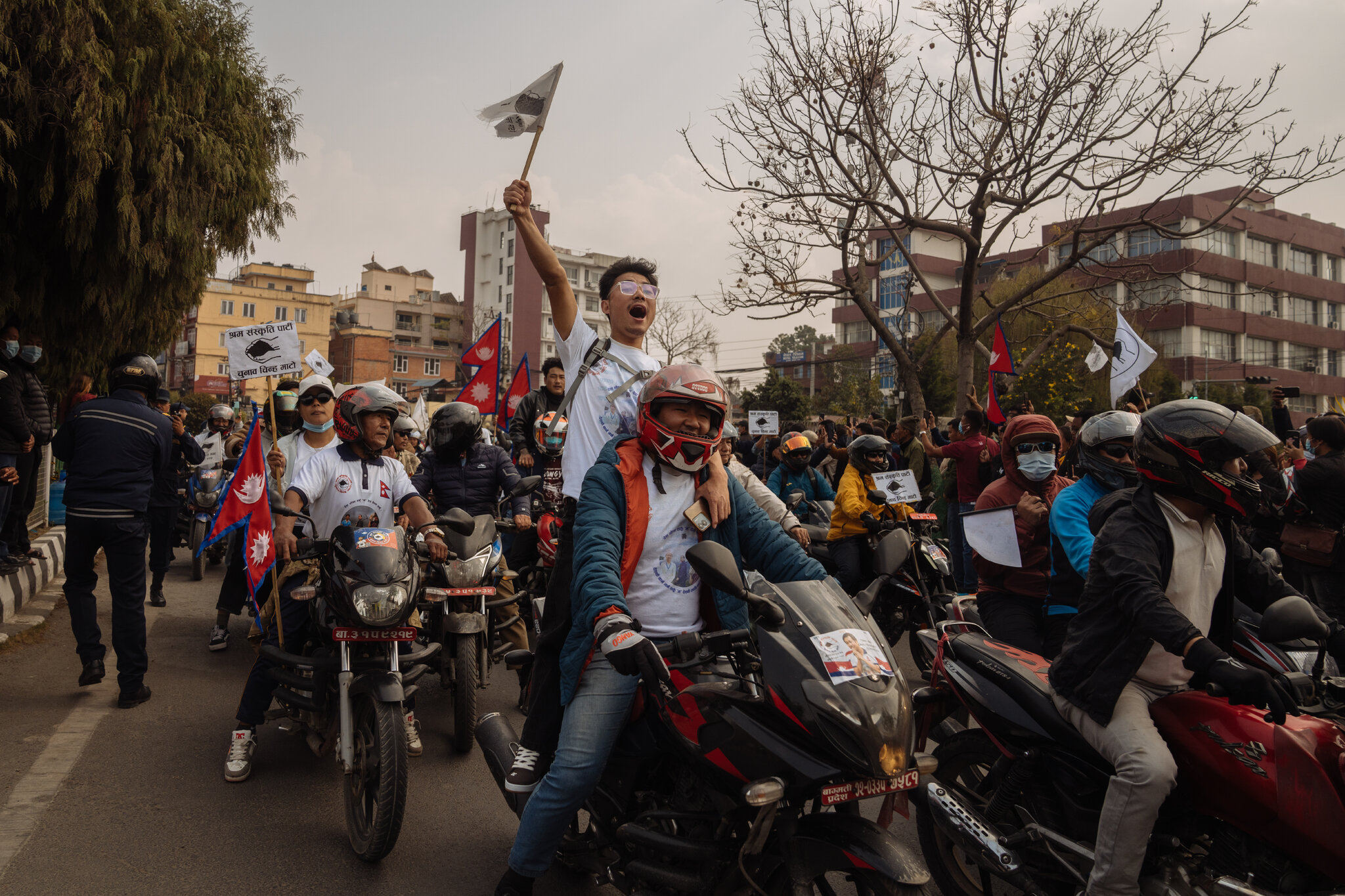
Millions of voters in Nepal have cast their ballots in the country’s first general election since violent youth-led protests toppled the government last September.
The demonstrations, driven largely by members of Generation Z, erupted over widespread concerns about corruption, economic stagnation and social inequality. The unrest turned deadly, with 77 people killed during clashes, many of them protesters shot by police.
The election is widely viewed as a turning point for Nepal’s political future, as established political figures compete against a younger generation of leaders seeking to channel the frustrations of Gen Z voters demanding sweeping reforms.
Votes are being counted for all 275 seats in the country’s parliament, the House of Representatives of Nepal. Officials say the process could take several days, with final results not expected until next week.
Counting is particularly slow due to Nepal’s rugged mountainous terrain, which makes transporting ballot boxes difficult. In addition, votes are counted manually across many districts.
Nearly 19 million people were registered to vote in the 5 March election, including close to one million first-time voters. The Election Commission of Nepal said shortly after polls closed that turnout was expected to reach about 60%.
Despite the country’s tense political climate, voting was largely peaceful. Security forces were heavily deployed nationwide to prevent unrest.
Among the leading figures in the race is former prime minister KP Sharma Oli, who was removed from office during last year’s protests. He is representing the Communist Party of Nepal (Unified Marxist–Leninist) and has insisted the protests were not a rejection of his leadership.
Another major contender is Balen Shah, a former rapper who stepped down as mayor of Kathmandu in January to challenge Oli in the closely watched Jhapa 5 constituency. Shah is running under the banner of the Rastriya Swatantra Party.
Shah avoided direct interaction with journalists on Thursday, appearing briefly in his trademark black sunglasses before moving through a crowd of reporters without comment. Some members of Nepal’s media fear this approach could continue if he were elected to national office.
However, many younger voters say Shah’s energy and outsider status represent the kind of leadership Nepal needs, seeing him as a symbol of political renewal.
Meanwhile, Gagan Thapa of the Nepali Congress said the country’s youth are increasingly frustrated with what he described as “unholy alliances” and poor governance in previous coalition governments. He said his party is paying close attention to the demands of younger voters.
Not everyone is convinced that the election will bring meaningful change. Rakshya Bam, a prominent Gen Z activist involved in last year’s movement, expressed skepticism.
“They want to sell the name of Gen Z and come into power so they are using the term Gen Z movement,” she said. “I don’t have much expectations from the elections.”


Woods charged with driving under the influence after crash
Tiger Woods Involved in Car Crash in Florida

Ex-Taiwan presidential Candidate sentenced to 17 years for corruption


-
 News1 week ago
Gas prices in UK and Europe soar after strikes on energy facilities in Qatar and Iran
-

 Sports1 week ago
Lang Confirms Successful Surgery After Injury in Champions League Clash
-

 News1 week ago
Chinese National and Kenyan Associate Charged Over Attempt to Smuggle 2,000 Ants
-

 Sports1 week ago
Morocco Crowned AFCON 2025 Champions After CAF Overturns Final Result
-

 Entertainment6 days ago
Bodycam Footage of Justin Timberlake’s Drink-Driving Arrest Released
-

 News6 days ago
Thousands Evacuated as Hawaii Faces Worst Flooding in 20 Years
-
 Entertainment4 days ago
Oil Trades Surge Minutes Before Donald Trump Iran Announcement
-
 General6 days ago
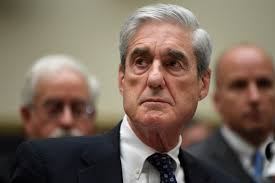
Robert Mueller, Former FBI Director and Trump-Russia Special Counsel, Dies at 81