
News
Tragedy Strikes at Nigerian Christmas Funfair: 35 Children Killed in Crowd Crush

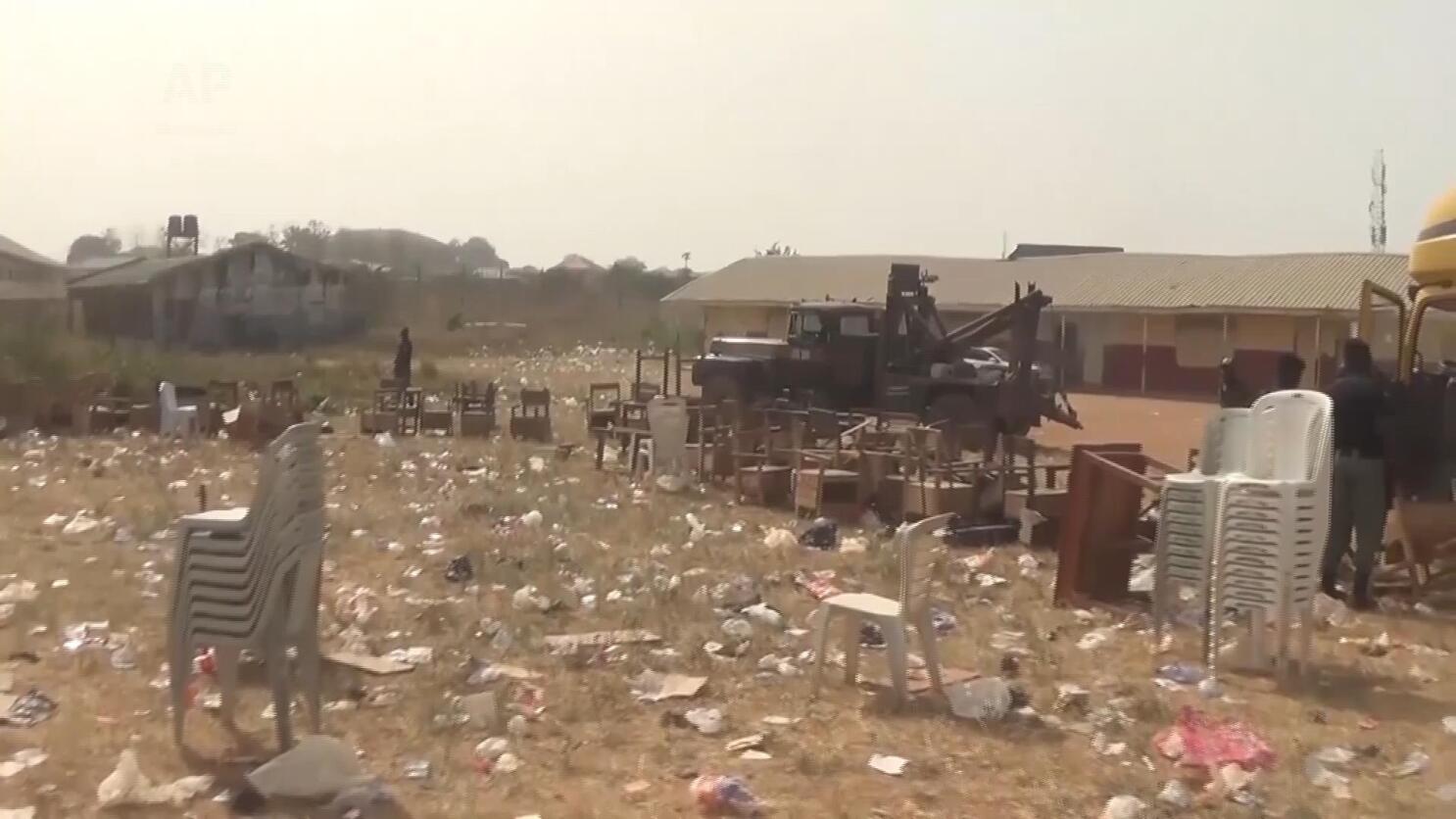
A festive event in Ibadan, south-west Nigeria, turned tragic on Wednesday as 35 children lost their lives in a devastating crowd crush at a Christmas funfair. Six others remain hospitalized, according to police reports.
The event, held in the Bashorun district at the Islamic High School, drew an overwhelming crowd after organizers promised cash handouts of 5,000 naira (approximately $3) to 5,000 children, along with free food. Over 5,000 children reportedly gathered at the venue, and chaos ensued when the main organizers arrived to start the program.
The exact sequence of events leading to the crush remains unclear. Authorities have arrested eight individuals associated with the event, including Naomi Silekunola, a prominent figure in the city and the primary organizer.
President Bola Tinubu expressed deep condolences to the bereaved families and has called for a thorough investigation into the tragedy. “My heart goes out to the parents who lost their precious children,” Tinubu said in a statement.
The Oyo State government confirmed that victims were transported to various hospitals across Ibadan for treatment. Authorities have urged worried parents to check with hospitals for updates on their children.
Medical professionals described the harrowing aftermath. A medic reported that six children were admitted to one hospital, but only two survived, while four succumbed to their injuries. Another doctor recounted counting three deceased children at a different facility.
Parents who had accompanied their children to the event as early as 5:00 a.m.—five hours before it was scheduled to begin—shared their grief. Many had hoped to receive the promised financial aid and food amidst challenging economic times.








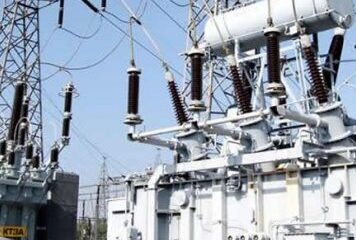



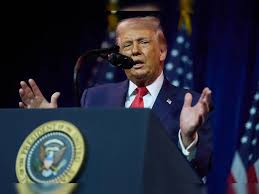
Oil markets were jolted by a wave of unusually timed trades just minutes before Donald Trump revealed that the United States would postpone planned strikes on Iranian energy infrastructure, raising fresh questions about possible foreknowledge among traders.
According to market data hundreds of millions of dollars were rapidly committed to oil contracts shortly before the president’s announcement on Monday. The surge occurred roughly fifteen minutes before Trump disclosed via his Truth Social platform that Washington had engaged in “very good and productive conversations” with Tehran, hinting at a potential easing of tensions.
The market reaction was immediate and dramatic. Oil prices plunged by as much as 14% within minutes of the post, rewarding traders who had positioned themselves ahead of the unexpected development. The sharp move also triggered a rebound in global stock markets, which had earlier been under pressure from escalating fears surrounding the Middle East conflict.
Analysts have pointed to the timing and scale of the trades as highly unusual. Activity in New York Mercantile Exchange crude oil contracts spiked sharply at 06:49 Eastern Time, when 733 trades were placed. Just one minute later, that figure surged to over 2,000 trades—representing roughly $170 million in positions.
A similar pattern unfolded in Brent Crude contracts, where trading volume jumped from just 20 transactions to more than 1,600 within the same one-minute window, amounting to approximately $150 million.
Such activity stands in stark contrast to typical trading patterns observed on previous Mondays, when volumes at that time of day are usually far lower. The anomaly has prompted speculation among market watchers that some participants may have acted on advance knowledge of the president’s decision.
The developments come against the backdrop of heightened volatility driven by tensions in the Middle East. Just days earlier, Trump had warned Iran of severe consequences, including threats to “obliterate” its power infrastructure if the strategically critical Strait of Hormuz was not reopened within 48 hours.
Although markets were closed over the weekend, the impact was felt when trading resumed in Asia on Monday, with equities declining and oil prices climbing on fears of escalation. However, optimism sparked by the announcement of diplomatic progress quickly reversed those trends, sending oil prices lower and boosting investor confidence.
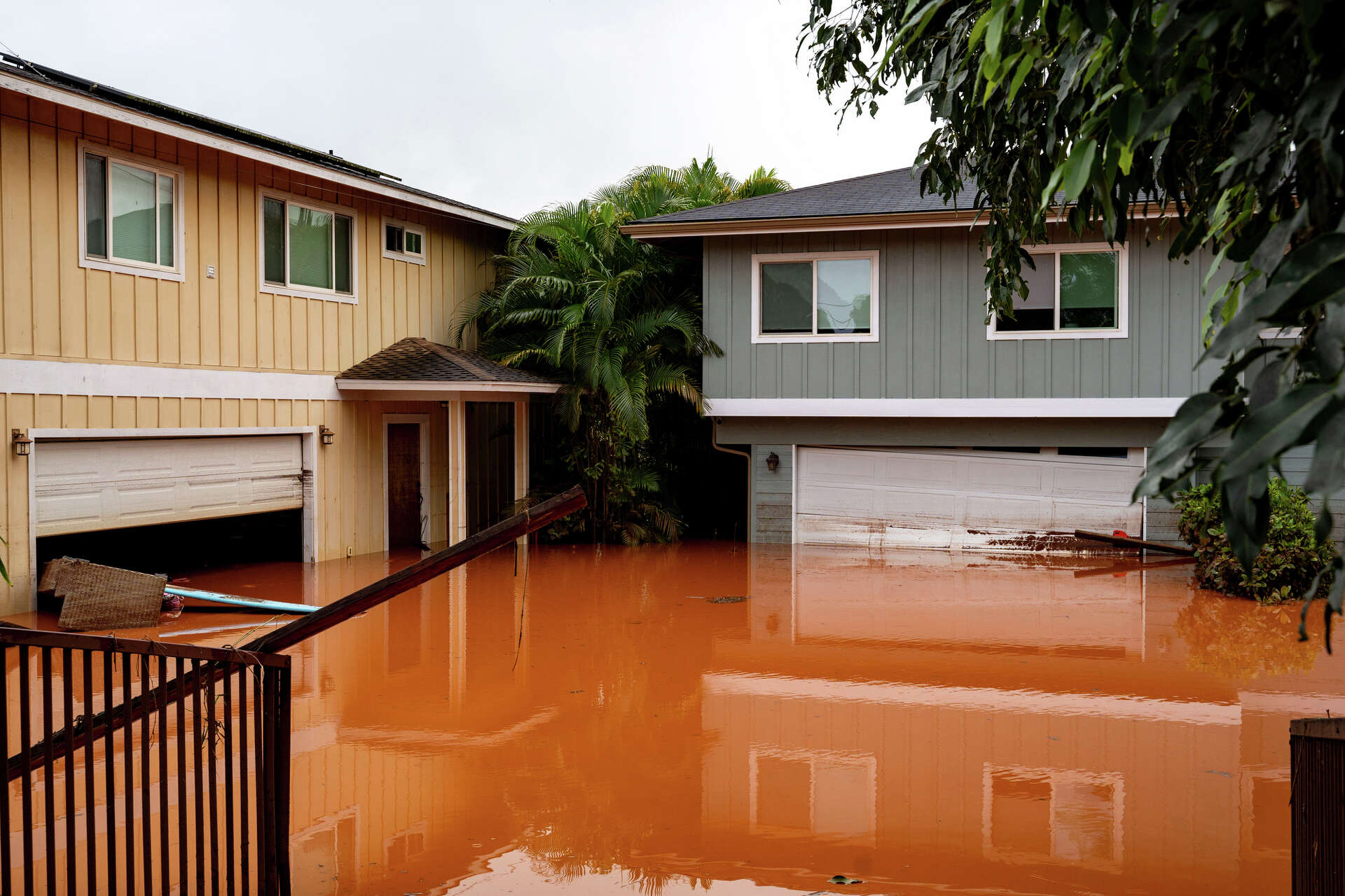
Thousands of residents across Hawaii have been forced to evacuate their homes as the islands endure their most severe flooding in decades, following a second powerful storm in just one week.
Authorities say the damage could exceed $1bn (£745m), according to Rick Blangiardi, mayor of Honolulu. More than 230 people have already been rescued, with emergency services continuing operations as heavy rainfall persisted into early Saturday.
Officials have raised alarms over a dam on Oahu—the state’s most populous island—warning it is at risk of collapse. Residents have been urged to take the situation seriously and follow evacuation guidance.
At a press briefing, Josh Green confirmed there had been no reported fatalities so far, while commending emergency responders for their ongoing efforts.
Floodwaters have surged through communities, lifting homes and vehicles, and prompting evacuation orders affecting approximately 5,500 people north of Honolulu. Multiple roads across the islands have been shut down due to hazardous conditions.
The Honolulu Department of Emergency Management has issued repeated flash flood warnings, advising residents to seek higher ground and avoid entering flooded areas.
Flood alerts have also been extended to other islands, including Maui, Molokai, and Hawaii Island.
Governor Green warned the storm would have “serious consequences” for the state, citing widespread damage to critical infrastructure such as airports, schools, roads, hospitals, and residential properties.
The extreme weather is being driven by a Kona Low—a slow-moving low-pressure system that pulls in warm, moisture-laden air, leading to prolonged heavy rainfall and flash flooding across the Hawaiian islands.
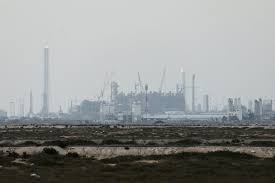
Gas prices across the UK and Europe surged sharply following escalating military strikes on key energy infrastructure in the Middle East, raising fresh concerns about global supply stability and economic ripple effects.
In early trading on Thursday, gas prices jumped by more than 25% before easing slightly later in the day. Despite the pullback, prices remain more than double their levels prior to the outbreak of hostilities involving Iran, the United States, and Israel, according to market analysts.
The spike follows a series of direct attacks on major gas facilities. Iran launched strikes on the Ras Laffan gas plant in Qatar, reportedly causing extensive damage. The move was described as retaliation after Israel targeted Iran’s South Pars gas field, a critical offshore energy site shared between Iran and Qatar.
The escalation has widened across the region. In the United Arab Emirates, both the Habshan gas facility and the Bab oil field have been shut down after sustaining damage from Iranian strikes. Meanwhile, Saudi Arabia said it successfully intercepted attempted attacks in its eastern region and in the capital, Riyadh, preventing further disruption.
Amid the growing crisis, Donald Trump stated that the United States had no prior knowledge of Israel’s strike on the South Pars field. He also issued a warning to Iran against carrying out additional attacks on Qatar, signaling the risk of further geopolitical escalation.
Military exchanges between Iran and Israel have continued, with the Israeli military reporting incoming fire from Iran. While emergency services have not confirmed new casualties, tensions remain high following Israel’s announcement that it had begun air strikes on targets in northern Iran—marking a significant expansion of its operations.
A critical flashpoint now centers on the Strait of Hormuz, one of the world’s most vital energy transit routes. Iranian lawmakers are reportedly considering imposing tolls on countries transporting goods through the strait. The waterway handles roughly 20% of global energy supplies, but shipping activity has effectively halted after Iran threatened to target vessels passing through.
Despite the volatility, analysts note that energy markets are beginning to adjust to the rapidly evolving situation. However, the ongoing disruptions—and the strategic importance of the affected infrastructure—suggest that prices could remain elevated in the near term, even as diplomatic efforts intensify to stabilize the region.


Oil Trades Surge Minutes Before Donald Trump Iran Announcement

Thousands Evacuated as Hawaii Faces Worst Flooding in 20 Years

Bodycam Footage of Justin Timberlake’s Drink-Driving Arrest Released


-

 News1 week ago
Trump Urges Allies to Deploy Warships to Protect Strait of Hormuz After Iranian Attacks
-

 News1 week ago
Ten killed in fire at India hospital intensive care unit
-

 News7 days ago
US Counterterrorism Chief Resigns Over Iran War, Urges Trump to ‘Reverse Course’
-

 Sports1 week ago
Middle East Conflict Forces Cancellation of Spain vs Argentina Finalissima
-
 News5 days ago
Gas prices in UK and Europe soar after strikes on energy facilities in Qatar and Iran
-

 News7 days ago
Israel says Iran’s security chief Ali Larijani has been killed in strike
-

 News6 days ago
Chinese National and Kenyan Associate Charged Over Attempt to Smuggle 2,000 Ants
-

 News7 days ago
Nationwide Blackout Leaves Millions in Cuba Without Power After Grid Collapse