
News
Nigeria Ranks 33rd in Africa’s Most Stressful Countries List

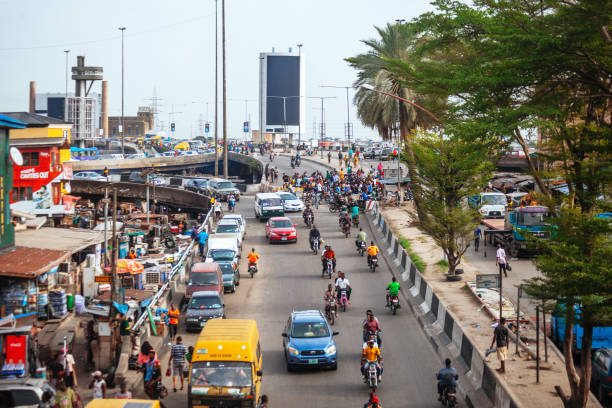
A recent report by CEOWORLD magazine has identified the top 10 most stressful countries in Africa for 2024, with Nigeria ranked 33rd on the continent.
Africa faces significant stress levels due to economic challenges, political instability, and social issues. The report highlights the nations where stress is most prevalent and emphasizes the need for mental health support.
South Sudan tops the list as the most stressful country in Africa with a stress score of 45.68, followed by Burundi at 45.8 and the Central African Republic at 46.07. The report underlines money, the economy, and health issues as the main sources of global stress in 2023.
Identifying these stress levels is crucial for understanding where mental health support is most needed and which countries are effectively managing stress among their populations.
Top 10 Most Stressful Countries in Africa
- South Sudan – 45.68
- Burundi – 45.8
- Central African Republic – 46.07
- DR Congo – 46.24
- Niger – 46.7
- Mozambique – 47.23
- Eritrea – 47.32
- Malawi – 47.52
- Liberia – 47.94
- Chad – 48.05






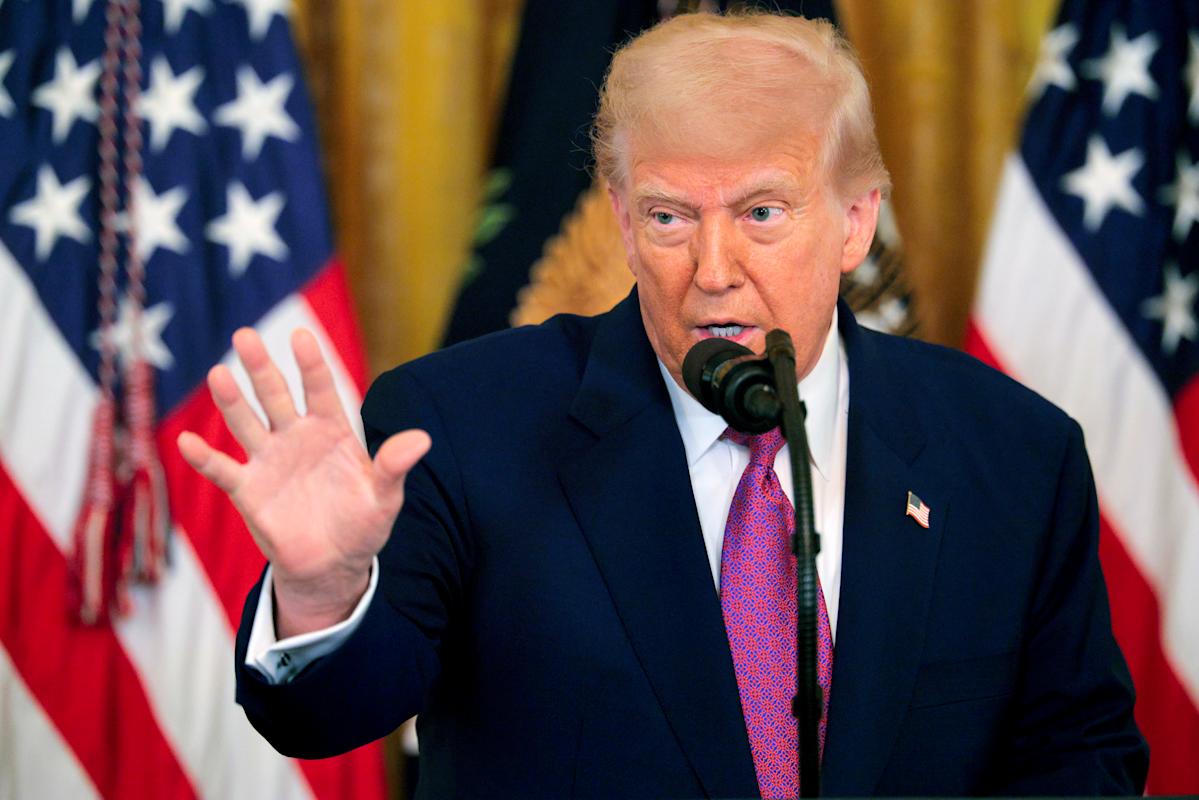
United States President Donald Trump has said a deal aimed at ending hostilities between the United States and Iran is scheduled to be signed on Sunday, although Iranian officials have expressed uncertainty about the timeline.
In a post on social media, Trump announced that the agreement was expected to be finalized the following day and claimed that the strategically important Strait of Hormuz would immediately reopen to international shipping once the deal is signed.
“The Deal is scheduled to get signed tomorrow, and immediately after it is signed, the Hormuz Strait is OPEN TO ALL,” Trump wrote.
The president also appeared to reference Iran’s enriched uranium stockpiles, stating that “at the appropriate time, when all is calm, we will go in and get the Nuclear Dust,” adding that it would later be destroyed.
However, Iranian officials have been more cautious. Iranian Foreign Ministry spokesman Esmaeil Baghaei said the exact date for signing a memorandum of understanding remained uncertain.
“We will have to wait and see about the exact date of the signing of the memorandum of understanding, although it will not be tomorrow,” Baghaei said.
Pakistan, which has played a key mediating role in the negotiations, indicated that progress toward an agreement was accelerating. Prime Minister Shehbaz Sharif said the parties were closer than ever to a peace deal and that preparations were underway for an electronic signing process once negotiations are completed.
On Friday, Iranian Foreign Minister Seyed Abbas Araghchi also suggested that an agreement was within reach. According to Araghchi, the proposed arrangement would include measures to end conflict involving Israel and Hezbollah in Lebanon, reopen the Strait of Hormuz, and lift a United States blockade affecting Iranian ports.
He noted, however, that discussions regarding Iran’s nuclear programme would take place separately at a later stage.
For decades, Iran has faced accusations from Western governments of pursuing nuclear weapons capabilities. Tehran has consistently denied those claims, maintaining that its nuclear activities are intended solely for peaceful purposes such as electricity generation and scientific research.
US officials have reportedly confirmed some elements of the proposed agreement, while emphasizing that any economic benefits granted to Iran would depend on the country’s compliance with its commitments.
The negotiations come after months of heightened tensions. The conflict began following US and Israeli strikes on Iran on 28 February, which triggered retaliatory attacks by Iran against Israel and US-aligned states in the Gulf region. The confrontation also disrupted traffic through the Strait of Hormuz, one of the world’s most important routes for oil and liquefied natural gas exports.
Although a ceasefire was reached in April, sporadic exchanges of fire have continued, including two rounds of retaliatory strikes earlier this week.
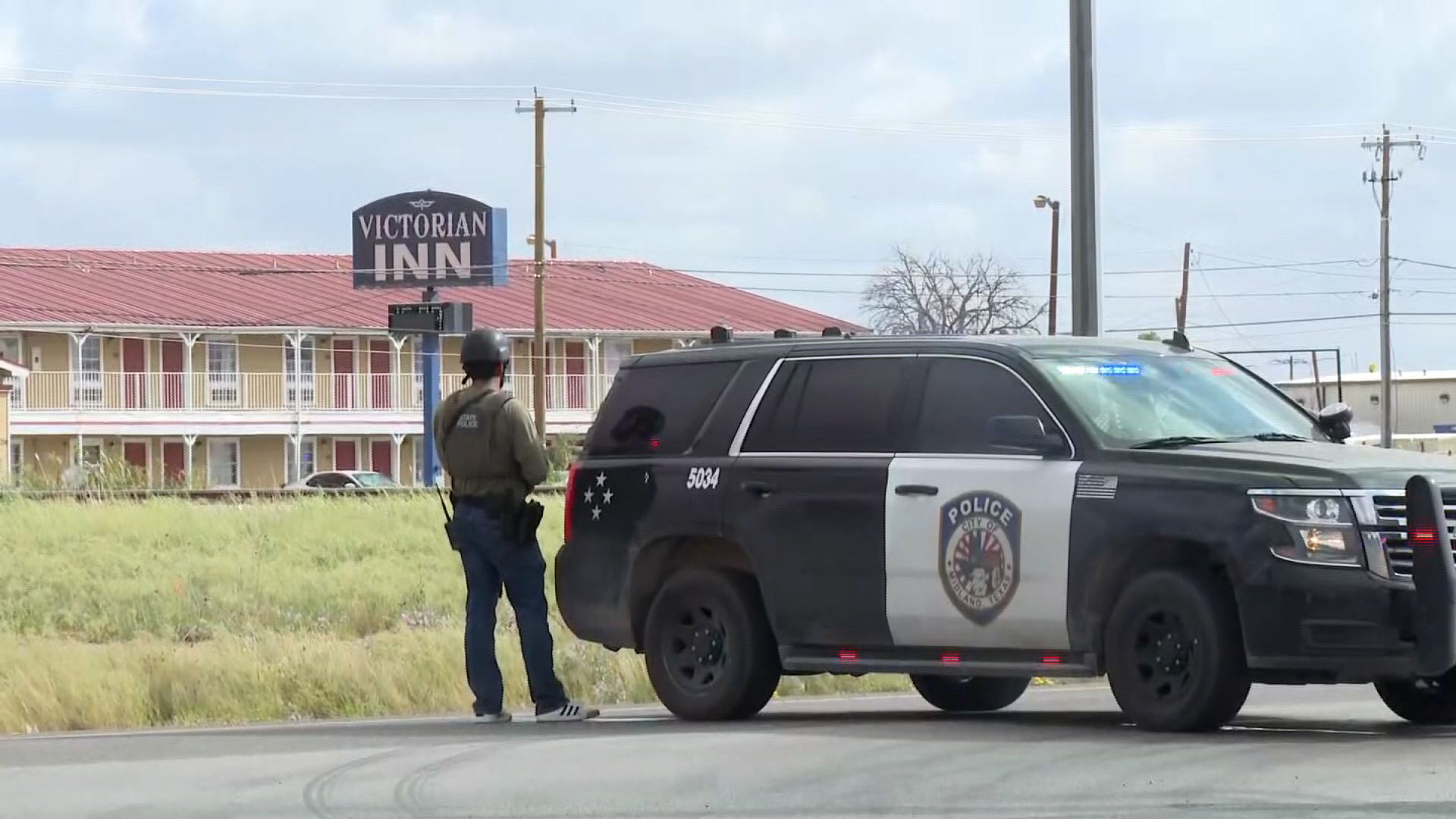
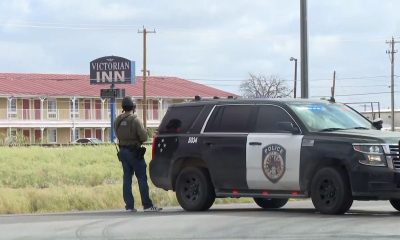
One person was killed and at least 10 others were wounded in a shooting incident in Midland, Texas, on Friday, prompting a large-scale response from law enforcement authorities.
Police initially engaged in a standoff with the suspected gunman, but later confirmed that the incident had been resolved and that the suspect was dead.
Speaking during a press conference, local officials said there were 11 known victims in total, including the person who was killed. Midland Memorial Hospital confirmed it had received nine victims, four of whom were undergoing surgery. Another injured person was transported to a separate medical facility for treatment.
Midland Mayor Lori Blong expressed sympathy for those affected by the tragedy.
“My heart breaks for the victims and their families,” she said, adding that the community was praying for everyone impacted by the violence as well as the first responders who put themselves at risk to protect residents.
Authorities said the incident began in one part of the city before moving to another area near a veterinary hospital, where the standoff ultimately came to an end. Witnesses reported hearing dozens of gunshots during the ordeal.
A local employee working near the scene told reporters that it sounded as though at least 40 rounds had been fired.
Special Weapons and Tactics (SWAT) teams and multiple law enforcement agencies were deployed to contain the suspect. Shortly afterward, the Midland Police Department announced that the active shooter incident had been resolved and the suspect was confirmed deceased.
Officials have not yet released details regarding the identity or possible motive of the gunman. Information about the victims has also remained limited, although hospital authorities said the five patients not undergoing surgery were listed in stable condition.
Mayor Blong noted that she was not aware of any police officers being injured during the response.
Reacting to the incident, Dan Patrick said Texans were heartbroken by the news and called for prayers for the victims, their families and the Midland community, while also thanking emergency personnel for their bravery.
The latest shooting revives painful memories in Midland, a city of approximately 140,000 residents. In 2019, the community was shaken by another mass shooting when a gunman drove through Midland and nearby Odessa, randomly opening fire and killing seven people while injuring more than two dozen others.
Investigations into Friday’s shooting remain ongoing as authorities work to establish the circumstances surrounding the attack.
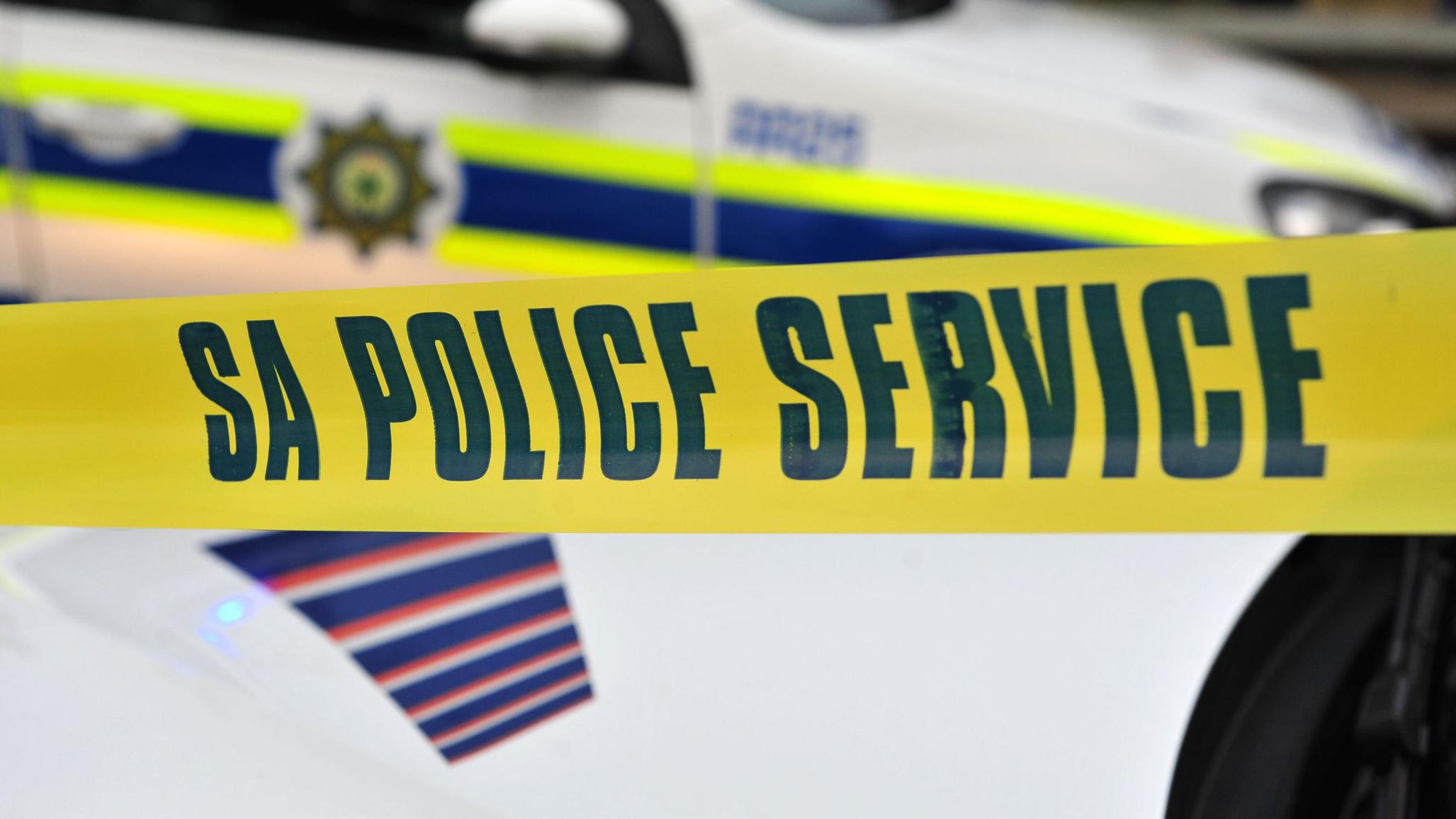
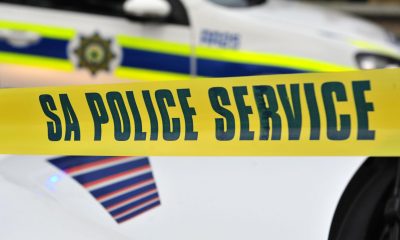
Police in South Africa have launched a major manhunt after 12 people were killed and nine others wounded in a mass shooting at an informal settlement in Johannesburg.
The attack occurred late on Tuesday night at the Jumpers Informal Settlement in Cleveland, a suburb east of Johannesburg. According to police, more than 10 heavily armed suspects entered the community and opened fire on residents before escaping in a white Toyota Quantum vehicle.
Authorities said officers responded to reports of an active shooting at about 11:10 p.m. local time. Preliminary investigations indicate that the gunmen were dropped off near a petrol station before entering the settlement through multiple access points and firing at people in different locations.
Police confirmed that eight men and three women died at the scene, while another man later succumbed to his injuries in hospital. At least nine other victims were taken to medical facilities for treatment of gunshot wounds.
Investigators are still working to determine the motive behind the attack. However, members of the local community believe the violence may be linked to ongoing turf wars involving illegal mining groups operating in the area.
During a visit to the scene on Wednesday, provincial police commissioner Tommy Mthombeni said investigators could not rule out a connection to illegal mining activities.
“As you know, this area is adjacent to the illegal mining area. We are having those suspicions,” he told reporters, describing the attack as both “heartless” and “barbaric.”
Illegal mining has become a growing challenge in South Africa, where criminal groups often target abandoned gold mines and sell extracted minerals on the black market. The trade is known for violent rivalries and clashes between competing groups.
The problem has become so serious that earlier this year, Cyril Ramaphosa deployed military personnel to assist efforts aimed at shutting down illegal mining operations in affected communities.
Mass shootings in informal settlements are not uncommon in South Africa and are frequently associated with gang-related violence, criminal disputes, and competition over illicit economic activities. Police have appealed for information from the public as efforts continue to identify and apprehend those responsible for the deadly attack.


Trump Says US-Iran Peace Deal Could Be Signed Sunday as Tehran Urges Caution

Thomas Partey Ruled Out of Ghana’s World Cup Opener After Canada Denies Entry

Tearful Taylor Swift Becomes Youngest Woman Inducted into Songwriters Hall of Fame


-

 Sports6 days ago
My 2026 FIFA World Cup Predictions: Who Will Qualify From Each Group?
-
 News1 week ago
Hegseth Criticises Europe’s Migration Policies in D-Day Speech
-

 Sports6 days ago
Eriksen Recovering Well After On-Field Collapse, Doctor Confirms
-
 Sports6 days ago
Somali Referee Omar Artan Denied Entry to United States Ahead of 2026 World Cup
-
 News6 days ago
Pashinyan’s Party Wins Key Armenian Election
-
 Sports1 week ago
West Ham Co-Chairman David Sullivan Steps Down Amid Allegations
-

 Sports6 days ago
Injury Forces Timber to Miss World Cup for Netherlands
-
 News6 days ago
At Least 19 Killed as Powerful Earthquake Hits Southern Philippines