
News
Israel Responds to Drone Attack with Strikes on Houthis in Yemen

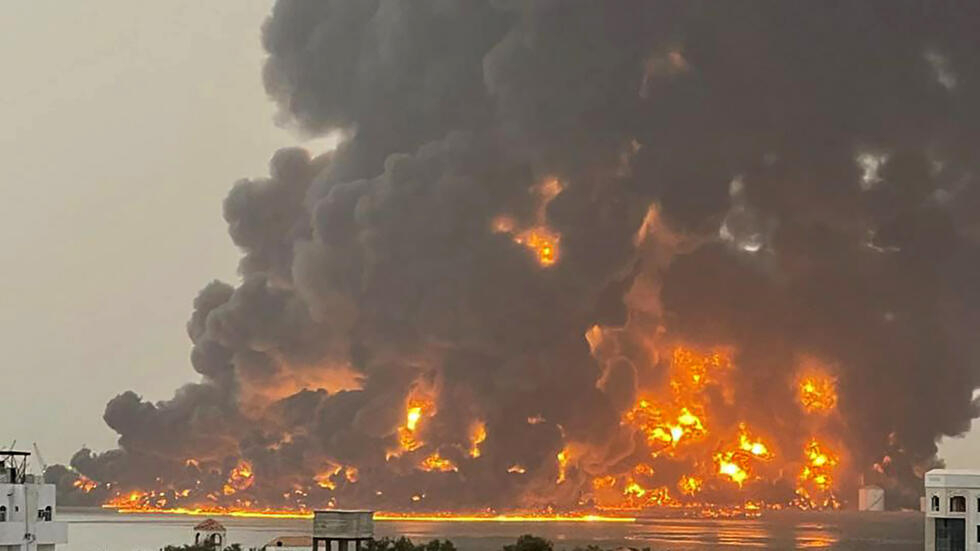
Israel launched air strikes on the Houthi movement in Yemen, following a drone attack that targeted Tel Aviv. Defence Minister Yoav Gallant stated that the strikes were meant to send a clear message to the Houthis.
“The fire that is currently burning in Hodeidah is seen across the Middle East and the significance is clear,” Gallant said, referencing the visible damage from the strikes.
Houthi official Mohammed Abdulsalam condemned the Israeli action as “brutal aggression against Yemen,” asserting that the strikes aimed to pressure the Houthis into withdrawing their support for Palestinians in Gaza. He emphasized that such support would continue despite the attacks.
This marks the first time Israel has directly responded to what it claims are hundreds of drone and missile attacks from Yemen in recent months. The Israeli air strikes hit the Houthi-controlled Red Sea port of Hodeidah on Saturday evening. Footage from the area showed large fires, with the Houthi-run government in Sana’a reporting strikes on oil storage facilities and a nearby power plant, leading to civilian casualties.
Gallant justified the strikes, stating, “The Houthis attacked us over 200 times. The first time that they harmed an Israeli citizen, we struck them. And we will do this in any place where it may be required.”
Prime Minister Benjamin Netanyahu, speaking after the attacks, reaffirmed Israel’s commitment to self-defense. “Anyone who harms us will pay a very heavy price for their aggression,” he said, alleging that the port was a conduit for Iranian weapons.
On Friday, a drone hit a block of flats in Tel Aviv, killing a 50-year-old man from Belarus and injuring eight others. The Israeli military identified the drone as an Iranian-made unmanned aerial vehicle (UAV) that had been modified for long-distance flight. The Houthis, based over 1,000 miles (1,600 km) away in Yemen, claimed responsibility for the attack and promised more.
The Israeli military acknowledged detecting the incoming drone but cited “human error” as the reason for not intercepting it.






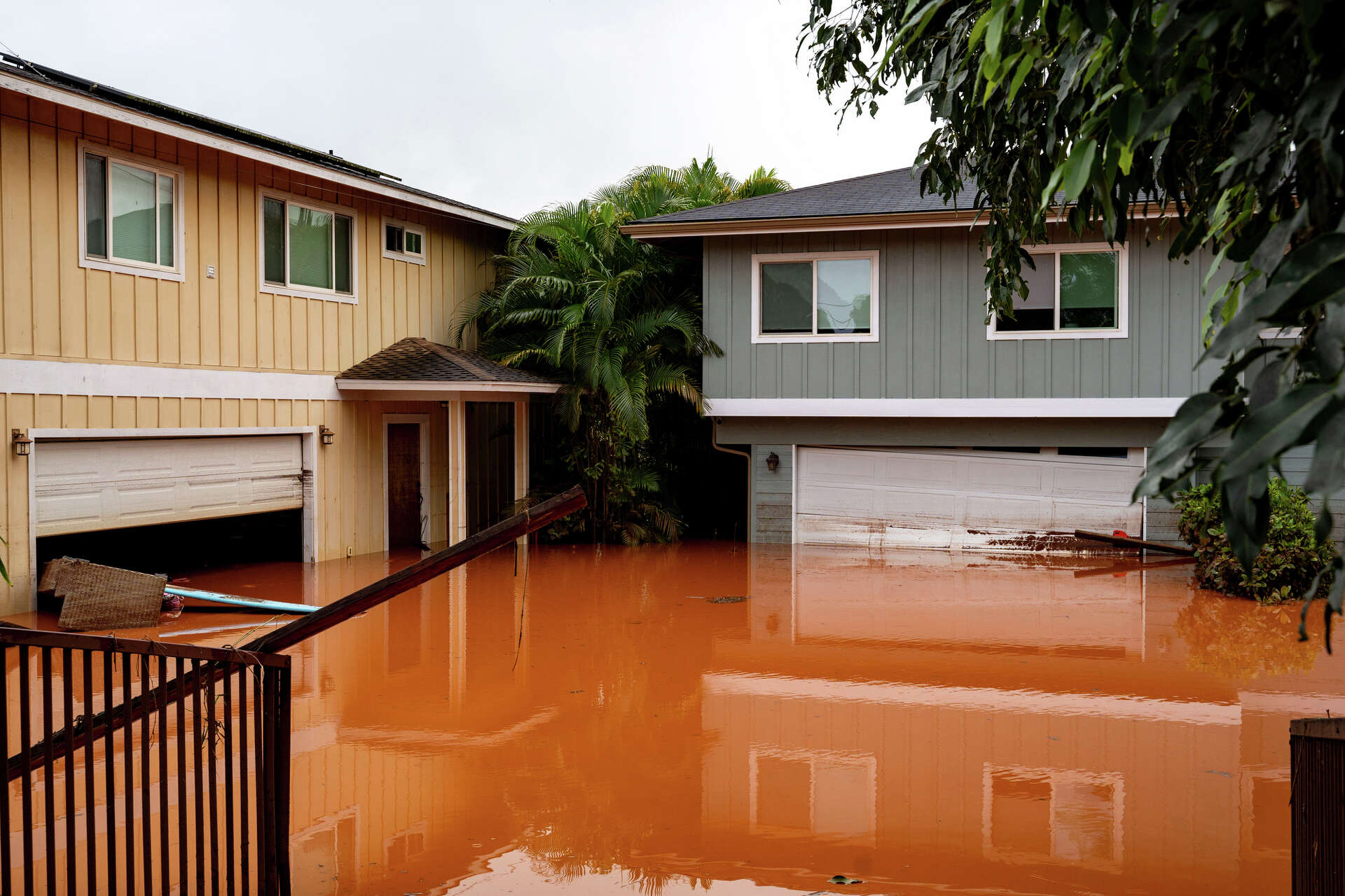
Thousands of residents across Hawaii have been forced to evacuate their homes as the islands endure their most severe flooding in decades, following a second powerful storm in just one week.
Authorities say the damage could exceed $1bn (£745m), according to Rick Blangiardi, mayor of Honolulu. More than 230 people have already been rescued, with emergency services continuing operations as heavy rainfall persisted into early Saturday.
Officials have raised alarms over a dam on Oahu—the state’s most populous island—warning it is at risk of collapse. Residents have been urged to take the situation seriously and follow evacuation guidance.
At a press briefing, Josh Green confirmed there had been no reported fatalities so far, while commending emergency responders for their ongoing efforts.
Floodwaters have surged through communities, lifting homes and vehicles, and prompting evacuation orders affecting approximately 5,500 people north of Honolulu. Multiple roads across the islands have been shut down due to hazardous conditions.
The Honolulu Department of Emergency Management has issued repeated flash flood warnings, advising residents to seek higher ground and avoid entering flooded areas.
Flood alerts have also been extended to other islands, including Maui, Molokai, and Hawaii Island.
Governor Green warned the storm would have “serious consequences” for the state, citing widespread damage to critical infrastructure such as airports, schools, roads, hospitals, and residential properties.
The extreme weather is being driven by a Kona Low—a slow-moving low-pressure system that pulls in warm, moisture-laden air, leading to prolonged heavy rainfall and flash flooding across the Hawaiian islands.
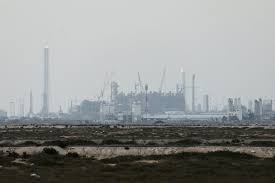
Gas prices across the UK and Europe surged sharply following escalating military strikes on key energy infrastructure in the Middle East, raising fresh concerns about global supply stability and economic ripple effects.
In early trading on Thursday, gas prices jumped by more than 25% before easing slightly later in the day. Despite the pullback, prices remain more than double their levels prior to the outbreak of hostilities involving Iran, the United States, and Israel, according to market analysts.
The spike follows a series of direct attacks on major gas facilities. Iran launched strikes on the Ras Laffan gas plant in Qatar, reportedly causing extensive damage. The move was described as retaliation after Israel targeted Iran’s South Pars gas field, a critical offshore energy site shared between Iran and Qatar.
The escalation has widened across the region. In the United Arab Emirates, both the Habshan gas facility and the Bab oil field have been shut down after sustaining damage from Iranian strikes. Meanwhile, Saudi Arabia said it successfully intercepted attempted attacks in its eastern region and in the capital, Riyadh, preventing further disruption.
Amid the growing crisis, Donald Trump stated that the United States had no prior knowledge of Israel’s strike on the South Pars field. He also issued a warning to Iran against carrying out additional attacks on Qatar, signaling the risk of further geopolitical escalation.
Military exchanges between Iran and Israel have continued, with the Israeli military reporting incoming fire from Iran. While emergency services have not confirmed new casualties, tensions remain high following Israel’s announcement that it had begun air strikes on targets in northern Iran—marking a significant expansion of its operations.
A critical flashpoint now centers on the Strait of Hormuz, one of the world’s most vital energy transit routes. Iranian lawmakers are reportedly considering imposing tolls on countries transporting goods through the strait. The waterway handles roughly 20% of global energy supplies, but shipping activity has effectively halted after Iran threatened to target vessels passing through.
Despite the volatility, analysts note that energy markets are beginning to adjust to the rapidly evolving situation. However, the ongoing disruptions—and the strategic importance of the affected infrastructure—suggest that prices could remain elevated in the near term, even as diplomatic efforts intensify to stabilize the region.

A Chinese national and his Kenyan associate have been charged with wildlife trafficking offences after authorities intercepted an attempt to smuggle more than 2,000 live queen ants out of Kenya.
Zhang Kequn was arrested last week at an international airport in Nairobi after officials discovered the insects hidden in his luggage. The ants were reportedly stored in test tubes and wrapped in tissue.
During a court hearing in Nairobi on Tuesday, prosecutors said Zhang had purchased the ants from Charles Mwangi at a rate of 10,000 Kenyan shillings (about $77) for every 100 ants.
Authorities say the case highlights a growing illegal trade in insects, driven by demand in parts of Europe and Asia where collectors keep species such as queen ants as pets.
Although officials have not confirmed the intended use of the ants in this case, Zhang’s luggage was reportedly bound for China.
Both men have been charged with illegal dealing in wildlife species and conspiracy to commit a felony. They remain in custody and have pleaded not guilty, according to local media reports.
Mwangi faces an additional charge after authorities allegedly found more live ants in his possession on a separate occasion.
Defence lawyer David Lusweti told the Associated Press that the two men were unaware they were breaking the law, arguing they believed the trade presented a legitimate business opportunity.
“They have seen potential that they are able to sell outside the country,” he said.
The case is scheduled to return to court on 27 March as investigations continue into the suspected wildlife trafficking network.


Thousands Evacuated as Hawaii Faces Worst Flooding in 20 Years

Bodycam Footage of Justin Timberlake’s Drink-Driving Arrest Released

Robert Mueller, Former FBI Director and Trump-Russia Special Counsel, Dies at 81


-

 News1 week ago
Trump Urges Allies to Deploy Warships to Protect Strait of Hormuz After Iranian Attacks
-

 News1 week ago
Ten killed in fire at India hospital intensive care unit
-

 Sports1 week ago
Middle East Conflict Forces Cancellation of Spain vs Argentina Finalissima
-

 News6 days ago
US Counterterrorism Chief Resigns Over Iran War, Urges Trump to ‘Reverse Course’
-
 News4 days ago
Gas prices in UK and Europe soar after strikes on energy facilities in Qatar and Iran
-

 News6 days ago
Israel says Iran’s security chief Ali Larijani has been killed in strike
-

 News6 days ago
Nationwide Blackout Leaves Millions in Cuba Without Power After Grid Collapse
-

 General1 week ago
UN Warns Torture Allegations Persist in Venezuela Despite Maduro’s Removal