
News
Capture of Sinaloa Cartel Leader Marks Major Victory in Battle Against Drug Trafficking

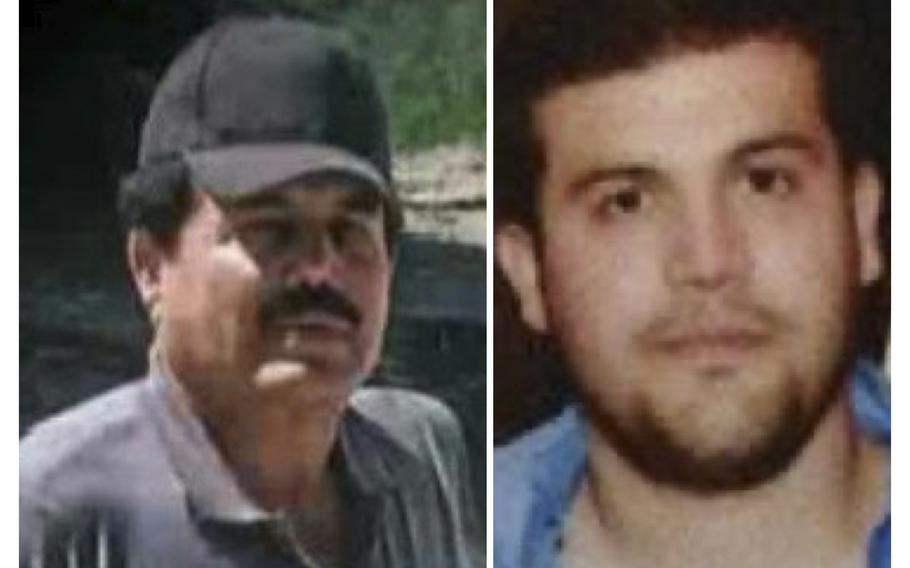
In a significant blow to international drug trafficking operations, Ismael “El Mayo” Zambada, the leader of Mexico’s infamous Sinaloa cartel, was apprehended by U.S. federal agents in El Paso, Texas. Zambada, a pivotal figure in one of the world’s most powerful criminal organizations, was arrested alongside Joaquin Guzman Lopez, the son of his former partner, Joaquin “El Chapo” Guzman, who is currently serving a prison sentence in the United States.
The U.S. Justice Department announced the arrests on Thursday, underscoring the magnitude of capturing Zambada, who had evaded authorities for decades. Earlier this year, U.S. prosecutors charged him with conspiracy to manufacture and distribute fentanyl, a potent opioid linked to the ongoing U.S. opioid crisis.
Although specific details of their capture remain undisclosed, it appears that both men were lured into the United States under a sophisticated operation by Homeland Security Investigations and the FBI. Reports suggest that Zambada was deceived into boarding a private plane under the guise of inspecting clandestine airfields in Mexico, with the assistance of a high-ranking Sinaloa member.
In a statement released Thursday evening, U.S. Attorney General Merrick Garland emphasized the gravity of Zambada’s arrest, highlighting the cartel’s role in trafficking fentanyl, a drug that poses a deadly threat to American communities. “Fentanyl is the deadliest drug threat our country has ever faced,” Garland stated, reiterating the Justice Department’s resolve to hold every cartel leader accountable for their actions.
The Sinaloa cartel, identified as the primary supplier of drugs to the United States, has been a target of American authorities due to its significant impact on the opioid epidemic. Fentanyl remains the leading cause of death for Americans aged 18 to 45, prompting aggressive efforts to dismantle the cartel’s operations.
Zambada’s capture represents a monumental victory in these efforts. The U.S. Drug Enforcement Administration (DEA) had previously offered a reward of up to $15 million for his arrest, highlighting his influence and elusive nature. Beyond his criminal activities, Zambada also owns several legitimate businesses in Mexico, including a milk company, a bus line, and a hotel, as well as various real estate assets.
The arrest has sent shockwaves through Mexico, where Zambada’s status as a long-standing drug lord made him an elusive target. U.S. Secretary of Homeland Security Alejandro Mayorkas lauded the operation, noting that the Sinaloa cartel “pioneered the manufacture of fentanyl” and has been responsible for devastating American communities for years. FBI Director Chris Wray echoed these sentiments, describing the arrests as a testament to the commitment of U.S. law enforcement agencies to dismantle violent transnational criminal organizations.
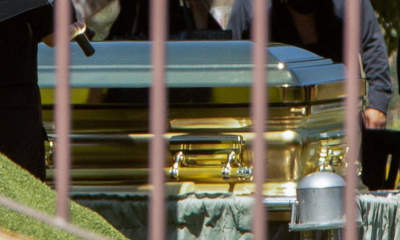








Eleven skydivers and a pilot have died after a small aircraft crashed shortly after take-off in the US state of Missouri, authorities have confirmed.
The aircraft, which had been leased by a skydiving company, departed from Butler Memorial Airport at approximately 11:20 a.m. local time on Sunday.
According to officials from Bates County Emergency Management, the plane failed to gain sufficient altitude after take-off. It then made a sharp left turn before crashing roughly 200 yards from the airport.
All 12 people on board were killed in the accident.
The Federal Aviation Administration identified the aircraft as a Pacific Aerospace P750 and confirmed that it crashed while departing the airport.
The agency also noted that air traffic control services were not being provided at the time of the incident.
Local media reports indicated that emergency responders were examining the crash site to determine whether any skydivers may have exited the aircraft before it went down. However, authorities have not confirmed that any occupants managed to jump from the plane.
The city of Butler is located about 50 miles south of the Kansas City metropolitan area.
An investigation into the cause of the crash has been launched, with the National Transportation Safety Board taking the lead role in determining what caused the aircraft to lose altitude and crash shortly after departure.
Officials have not yet released the identities of the victims, and investigators are expected to spend the coming days examining the wreckage, flight records and maintenance history of the aircraft as part of the inquiry.
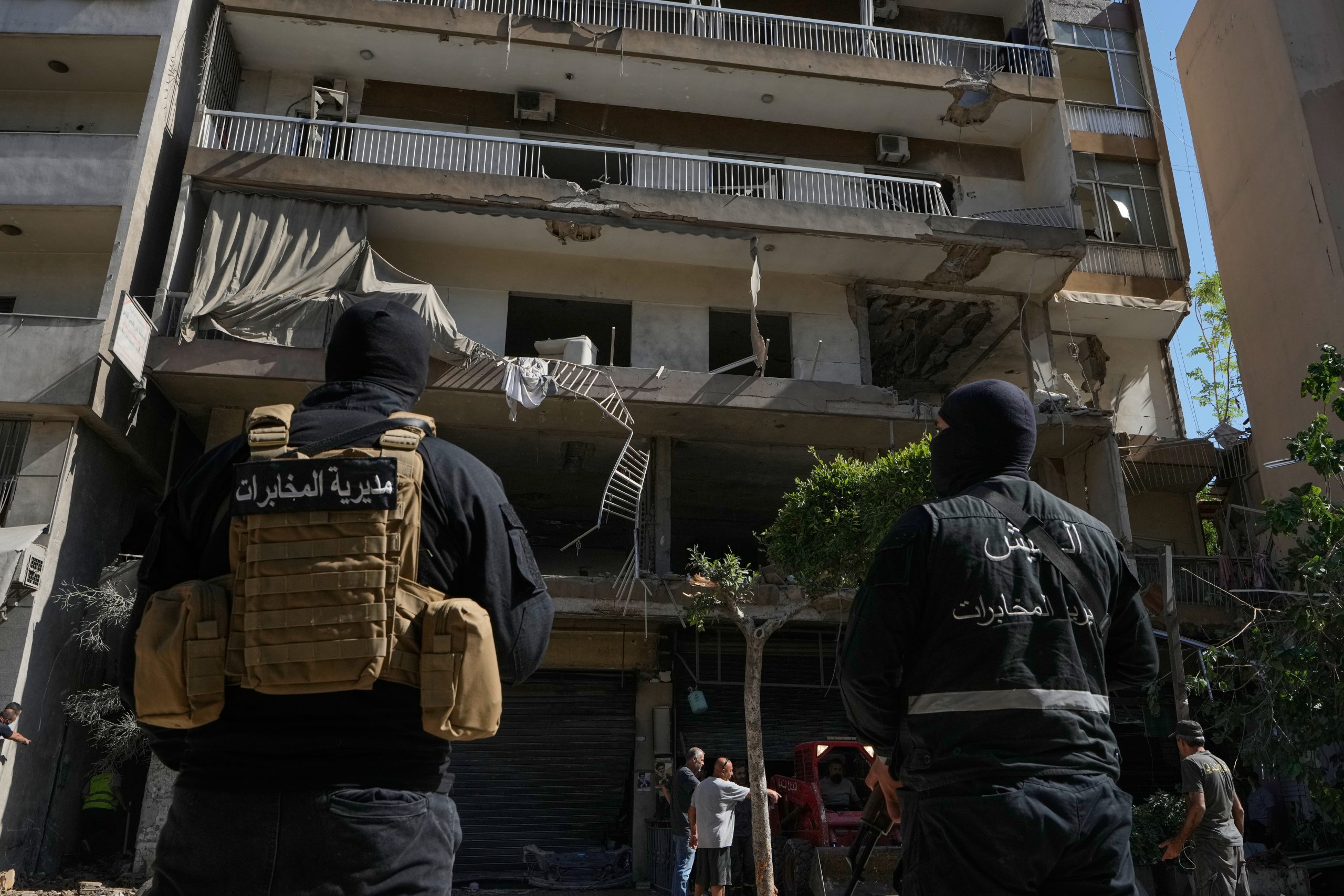
United States President Donald Trump has expressed confidence that a long-awaited agreement with Iran can still be finalized within hours, despite concerns that recent Israeli strikes on Beirut could derail the process.
Speaking in a brief interview with Fox News, Trump said he believed a deal between Washington and Tehran would be signed within the next two to three hours.
The comments came amid heightened tensions after Iran warned that Israeli military action in Beirut risked undermining efforts to secure a broader agreement aimed at reducing regional hostilities.
According to Fox News correspondent Trey Yingst, Trump revealed that he had spoken directly with Israeli Prime Minister Benjamin Netanyahu following the strikes. During the conversation, the US president reportedly voiced frustration over the military action and urged Israel to avoid further attacks that could jeopardize the negotiations.
Yingst reported that Trump specifically asked Netanyahu not to carry out additional strikes against Hezbollah, warning that further escalation could threaten the progress made toward securing the agreement.
The diplomatic push comes at a critical stage in negotiations involving the United States and Iran, with mediators and officials from several countries working to finalize terms intended to ease tensions and prevent further conflict in the region.
The latest developments follow warnings from Tehran that continued military operations in Lebanon could complicate efforts to reach a deal and potentially delay or derail the expected signing.
Despite the uncertainty, Trump’s remarks suggest the White House remains optimistic that the agreement can still be completed, provided regional actors exercise restraint and avoid actions that could inflame the already fragile situation.
Diplomatic efforts are expected to continue as negotiators work against the clock to secure the deal and prevent renewed instability across the Middle East.
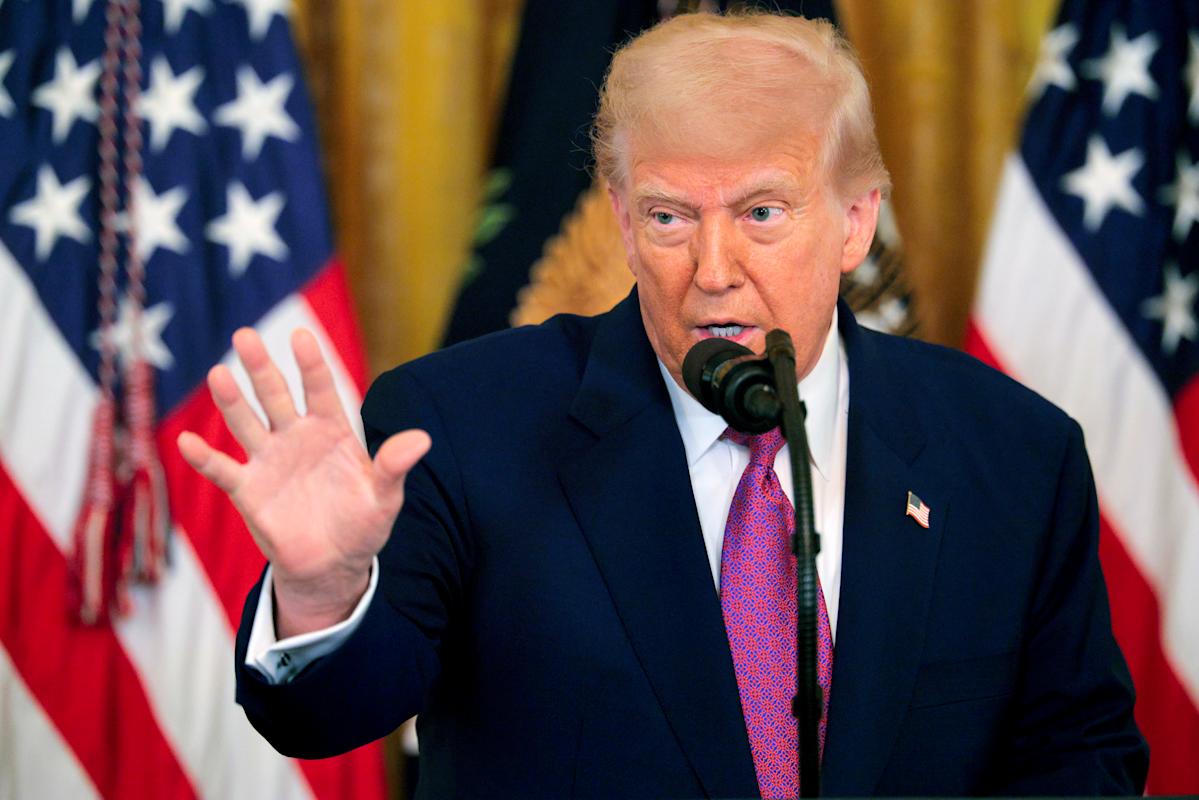
United States President Donald Trump has said a deal aimed at ending hostilities between the United States and Iran is scheduled to be signed on Sunday, although Iranian officials have expressed uncertainty about the timeline.
In a post on social media, Trump announced that the agreement was expected to be finalized the following day and claimed that the strategically important Strait of Hormuz would immediately reopen to international shipping once the deal is signed.
“The Deal is scheduled to get signed tomorrow, and immediately after it is signed, the Hormuz Strait is OPEN TO ALL,” Trump wrote.
The president also appeared to reference Iran’s enriched uranium stockpiles, stating that “at the appropriate time, when all is calm, we will go in and get the Nuclear Dust,” adding that it would later be destroyed.
However, Iranian officials have been more cautious. Iranian Foreign Ministry spokesman Esmaeil Baghaei said the exact date for signing a memorandum of understanding remained uncertain.
“We will have to wait and see about the exact date of the signing of the memorandum of understanding, although it will not be tomorrow,” Baghaei said.
Pakistan, which has played a key mediating role in the negotiations, indicated that progress toward an agreement was accelerating. Prime Minister Shehbaz Sharif said the parties were closer than ever to a peace deal and that preparations were underway for an electronic signing process once negotiations are completed.
On Friday, Iranian Foreign Minister Seyed Abbas Araghchi also suggested that an agreement was within reach. According to Araghchi, the proposed arrangement would include measures to end conflict involving Israel and Hezbollah in Lebanon, reopen the Strait of Hormuz, and lift a United States blockade affecting Iranian ports.
He noted, however, that discussions regarding Iran’s nuclear programme would take place separately at a later stage.
For decades, Iran has faced accusations from Western governments of pursuing nuclear weapons capabilities. Tehran has consistently denied those claims, maintaining that its nuclear activities are intended solely for peaceful purposes such as electricity generation and scientific research.
US officials have reportedly confirmed some elements of the proposed agreement, while emphasizing that any economic benefits granted to Iran would depend on the country’s compliance with its commitments.
The negotiations come after months of heightened tensions. The conflict began following US and Israeli strikes on Iran on 28 February, which triggered retaliatory attacks by Iran against Israel and US-aligned states in the Gulf region. The confrontation also disrupted traffic through the Strait of Hormuz, one of the world’s most important routes for oil and liquefied natural gas exports.
Although a ceasefire was reached in April, sporadic exchanges of fire have continued, including two rounds of retaliatory strikes earlier this week.


Germany Recover from Curacao Shock to Begin World Cup Campaign with Emphatic Victory

Twelve Killed After Skydiving Plane Crashes Shortly After Take-Off in Missouri

Trump Urges Restraint After Beirut Strike Threatens Prospective US-Iran Agreement


-

 Sports7 days ago
My 2026 FIFA World Cup Predictions: Who Will Qualify From Each Group?
-
 News1 week ago
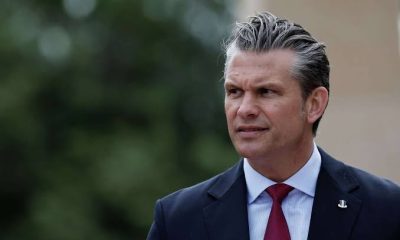
Hegseth Criticises Europe’s Migration Policies in D-Day Speech
-

 Sports6 days ago
Eriksen Recovering Well After On-Field Collapse, Doctor Confirms
-

 Sports6 days ago
Somali Referee Omar Artan Denied Entry to United States Ahead of 2026 World Cup
-
 News6 days ago
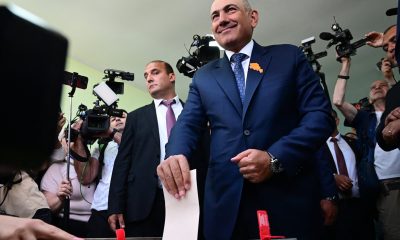
Pashinyan’s Party Wins Key Armenian Election
-

 Sports1 week ago
West Ham Co-Chairman David Sullivan Steps Down Amid Allegations
-

 Sports6 days ago
Injury Forces Timber to Miss World Cup for Netherlands
-

 News6 days ago
At Least 19 Killed as Powerful Earthquake Hits Southern Philippines