
Entertainment
Brain Jotter Clarifies No Profits from Viral ‘Gwo Gwo Ngwo’ Dance Challenge

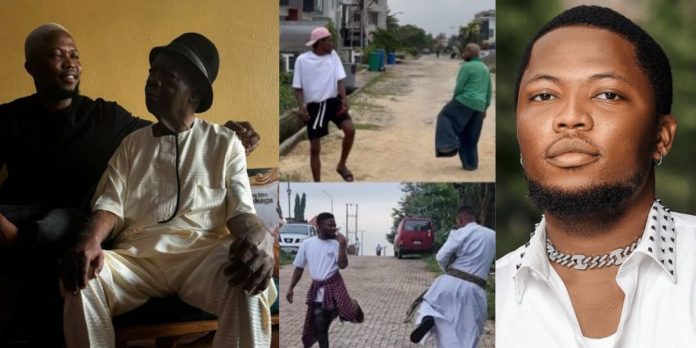
Nigerian comedian and skitmaker Chukwuebuka Amuzie, popularly known as Brain Jotter, has addressed concerns about the use of Mike Ejeagha’s 1983 hit song “Gwo Gwo Gwo Ngwo,” which has become the soundtrack to a viral dance challenge he initiated. Despite the song’s resurgence on social media, Brain Jotter has clarified that he is not financially benefiting from the trend.
The 41-year-old track by the 93-year-old folklore legend Mike Ejeagha has gained massive attention online, prompting discussions about copyright and revenue distribution. In response, Brain Jotter reassured fans and supporters that he respects the rights of the original artist. He emphasized that he is not profiting from the challenge and is committed to ensuring that Ejeagha receives the recognition and benefits due to him.
“For those who think we ripped him off or we’re making money from this whole thing, I understand your concerns and they are very valid,” Brain Jotter stated in a video he shared on Tuesday, following his visit to Ejeagha. “I appreciate the fact that you want him to get value for his hard work, which is very valid.”
Brain Jotter explained the monetization process on platforms like Instagram, Facebook, and YouTube, highlighting how revenue from the viral song is automatically directed to Mike Ejeagha’s record label and production company due to copyright mechanisms. “You cannot even monetize another person’s song because these platforms have copyright violation tools. If I post that video on YouTube, YouTube strikes it for copyright and they give the revenue to the actual owner, which is Mike Ejeagha,” he elaborated.
Additionally, he shared that the challenge had significantly boosted the song’s streams across various platforms, with all related revenues going to Ejeagha. Brain Jotter also revealed his personal contribution, stating that he gave Ejeagha two million naira from his own earnings, purely out of goodwill and respect for the artist.
“The two million I gave him was from my pocket. My hard-earned money is just for humanity and not for profit,” Brain Jotter clarified. “This whole thing is not for profit.”
He expressed his gratitude for the happiness the challenge has brought, emphasizing that the joy and recognition for Mike Ejeagha are the true rewards. “We got the reward, which is the joy in his heart now. The joy in his heart now is my profit,” Brain Jotter concluded.
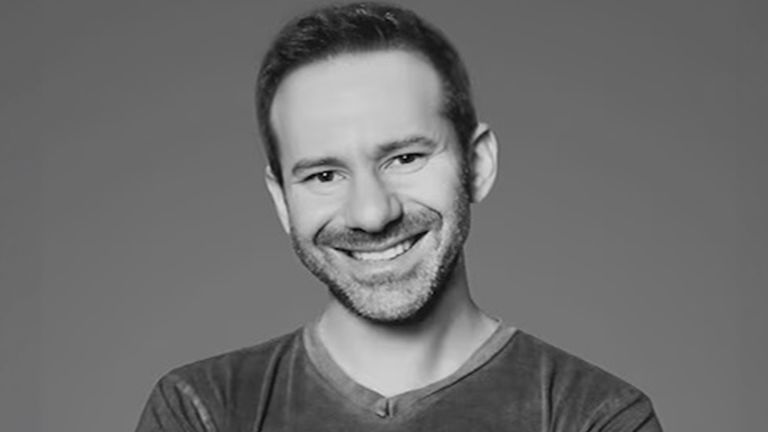
Leonid Radvinsky, the owner of OnlyFans and a key figure behind its rapid global rise, has died at the age of 43.
The Ukrainian-born entrepreneur, who grew up in Chicago, passed away peacefully following a prolonged battle with cancer, the company confirmed in a statement, requesting privacy for his family.
Radvinsky acquired OnlyFans in 2018 from its UK-based founders and oversaw a period of extraordinary growth that reshaped the online content landscape. Originally launched in 2016, the platform allows creators to share photos and videos while earning income through subscriptions, tips, and personalised content requests.
Its popularity surged dramatically during the COVID-19 pandemic, as millions turned to digital platforms for income and entertainment. Within three years, Radvinsky’s success with the platform earned him a place on Forbes’ billionaire rankings.
Although creators on OnlyFans produce a wide range of material—from fitness tutorials to cooking content—the platform became best known for adult content and its direct creator-to-fan monetisation model. The company retains a 20% commission on all earnings generated on the platform.
By 2024, OnlyFans had grown into a massive digital enterprise, generating $1.4 billion in revenue from transactions exceeding £7 billion. It also reported more than 377 million subscribers and approximately 4.6 million creators, according to its latest filings.
However, the platform’s expansion also brought regulatory scrutiny. In 2024, Ofcom investigated concerns about potential underage access to explicit content. While the probe was ultimately dropped, the regulator fined the company about £1 million for failing to provide accurate information about its age-verification systems.
Earlier controversies included allegations that the platform did not adequately address illegal material. In response to mounting pressure, OnlyFans announced plans in 2021 to ban sexually explicit content, only to reverse the decision days later after strong backlash from users and creators.
The company has also faced legal challenges from users who claimed they were misled into believing they were communicating directly with creators, when in some cases third-party operators were involved. These cases have so far been unsuccessful.
Radvinsky, who held a degree in economics from Northwestern University, lived most recently in Florida. Beyond OnlyFans, he invested in technology ventures through his firm, Leo.com, and was involved in philanthropic efforts, including donations to Memorial Sloan Kettering Cancer Center.
According to Forbes, his net worth was estimated at $4.7 billion. He had also been exploring a potential sale of OnlyFans in the past year, signaling possible changes in the company’s future direction before his passing.
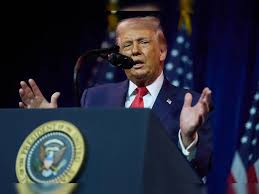
Oil markets were jolted by a wave of unusually timed trades just minutes before Donald Trump revealed that the United States would postpone planned strikes on Iranian energy infrastructure, raising fresh questions about possible foreknowledge among traders.
According to market data hundreds of millions of dollars were rapidly committed to oil contracts shortly before the president’s announcement on Monday. The surge occurred roughly fifteen minutes before Trump disclosed via his Truth Social platform that Washington had engaged in “very good and productive conversations” with Tehran, hinting at a potential easing of tensions.
The market reaction was immediate and dramatic. Oil prices plunged by as much as 14% within minutes of the post, rewarding traders who had positioned themselves ahead of the unexpected development. The sharp move also triggered a rebound in global stock markets, which had earlier been under pressure from escalating fears surrounding the Middle East conflict.
Analysts have pointed to the timing and scale of the trades as highly unusual. Activity in New York Mercantile Exchange crude oil contracts spiked sharply at 06:49 Eastern Time, when 733 trades were placed. Just one minute later, that figure surged to over 2,000 trades—representing roughly $170 million in positions.
A similar pattern unfolded in Brent Crude contracts, where trading volume jumped from just 20 transactions to more than 1,600 within the same one-minute window, amounting to approximately $150 million.
Such activity stands in stark contrast to typical trading patterns observed on previous Mondays, when volumes at that time of day are usually far lower. The anomaly has prompted speculation among market watchers that some participants may have acted on advance knowledge of the president’s decision.
The developments come against the backdrop of heightened volatility driven by tensions in the Middle East. Just days earlier, Trump had warned Iran of severe consequences, including threats to “obliterate” its power infrastructure if the strategically critical Strait of Hormuz was not reopened within 48 hours.
Although markets were closed over the weekend, the impact was felt when trading resumed in Asia on Monday, with equities declining and oil prices climbing on fears of escalation. However, optimism sparked by the announcement of diplomatic progress quickly reversed those trends, sending oil prices lower and boosting investor confidence.
Police bodycam footage capturing Justin Timberlake’s 2024 drink-driving arrest in Sag Harbor, New York, has been made public following a legal dispute over its release.
The singer had initially taken legal action against the village to block the footage from being disclosed, arguing it would harm his reputation. However, a settlement was eventually reached, allowing authorities to release the video on Friday with certain redactions.
Timberlake was arrested in June 2024 after officers pulled him over for running a stop sign and veering onto the wrong side of the road. He was originally charged with driving while intoxicated but later pleaded guilty to a reduced offence of driving while impaired.
The newly released footage—spanning more than eight hours—includes scenes from the roadside stop as well as inside the police station. In one clip, an officer approaches Timberlake’s vehicle and questions him about his driving. The singer apologises and explains he is in town while on a world tour, at one point identifying himself to the officer.
Police documents cited in the case noted that Timberlake had “bloodshot and glassy” eyes and that a strong smell of alcohol was detected on his breath. The video also shows him undergoing field sobriety tests, including walking in a straight line and tracking an officer’s hand with his eyes.
During the tests, Timberlake appears unsteady at times and declines to take a breathalyser test. He tells officers he feels nervous and remarks on the difficulty of the exercises.
The footage ends with officers placing him in handcuffs and escorting him into a patrol car, as a companion questions the arrest and appeals to the officers.
A judge later ruled that releasing the footage did not violate privacy laws, clearing the way for its publication. Under the terms of his plea, Timberlake was ordered to pay a fine, complete community service, and issue a public safety message.


Fans Group Files Complaint Against FIFA Over ‘Excessive’ World Cup Ticket Prices

Jury Orders Bill Cosby to Pay $19m in Decades-Old Assault Case

OnlyFans owner Leonid Radvinsky dies at 43


-

 News1 week ago
Trump Urges Allies to Deploy Warships to Protect Strait of Hormuz After Iranian Attacks
-
 News1 week ago
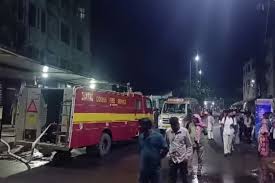
Ten killed in fire at India hospital intensive care unit
-
 News7 days ago
US Counterterrorism Chief Resigns Over Iran War, Urges Trump to ‘Reverse Course’
-
 News5 days ago
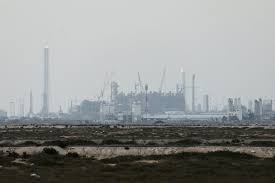
Gas prices in UK and Europe soar after strikes on energy facilities in Qatar and Iran
-
 Sports1 week ago
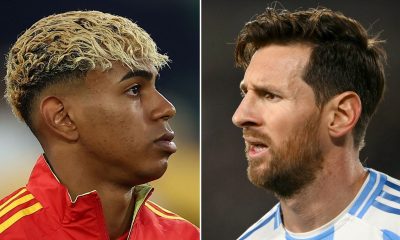
Middle East Conflict Forces Cancellation of Spain vs Argentina Finalissima
-
 News1 week ago
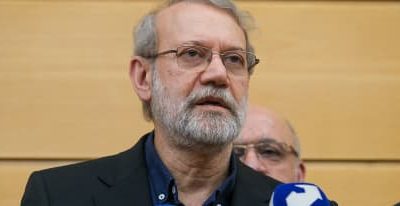
Israel says Iran’s security chief Ali Larijani has been killed in strike
-

 News1 week ago
Nationwide Blackout Leaves Millions in Cuba Without Power After Grid Collapse
-
 News6 days ago
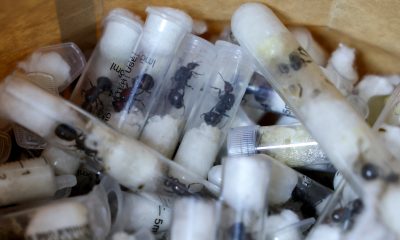
Chinese National and Kenyan Associate Charged Over Attempt to Smuggle 2,000 Ants