
General
Bangladesh Protests Turn Deadly

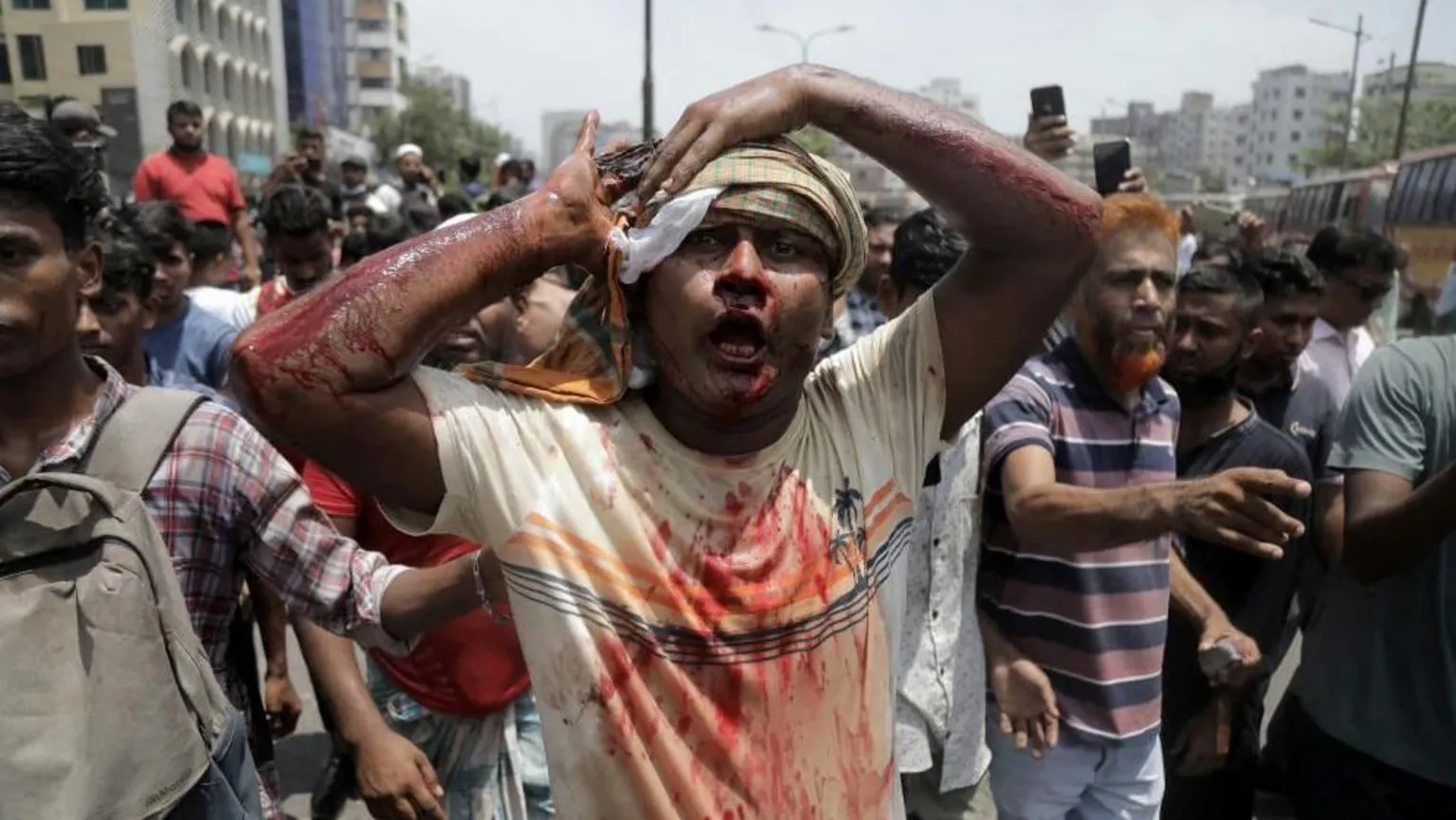
Anti-government protests in Bangladesh have escalated into widespread clashes between police and university students, resulting in at least 150 deaths. Witnesses have recounted harrowing experiences amid the violence.
Raya, a student at BRAC University, described initial attempts at a peaceful rally in Dhaka, only to be met with police aggression, including tear gas and rubber bullets. The situation intensified on July 19th, marked by intense confrontations at Natun Bazaar, where protesters clashed with police firing shotguns and using tear gas from helicopters. The aftermath left streets littered with debris, burnt vehicles, and barricades.
Medical facilities were overwhelmed as casualties flooded in, many with gunshot wounds from rubber bullets. Doctors worked tirelessly, performing surgeries amid the chaos, reflecting on the emotional toll of treating scores of young patients.
Following the escalation, reports emerged of enforced disappearances and allegations of torture. Nahid Islam, a student leader, recounted being abducted, interrogated, and subjected to physical abuse by individuals claiming to be law enforcement.
The government’s response has included a nationwide curfew and deployment of military forces, marking a severe crackdown on the unrest. However, questions remain regarding the circumstances of those who lost their lives, including individuals not directly involved in the protests.
Relatives of the deceased, such as Maruf Hossain and Hasib Iqbal, have expressed shock and grief over their untimely deaths, highlighting the human toll and anguish experienced by families affected by the violence.
As the situation unfolds, there are calls for transparency and accountability amidst allegations of excessive force and human rights abuses by security forces.






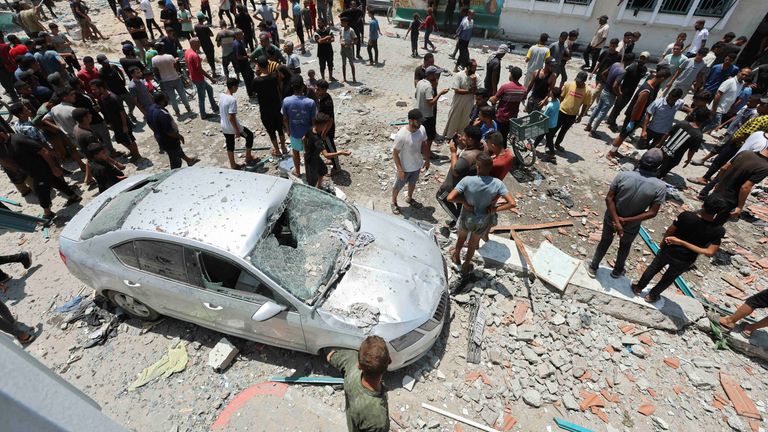
Fresh signs of diplomatic movement have emerged as Israel and Lebanon prepare to hold talks today, despite earlier uncertainty raised by officials in Beirut.
U.S. President Donald Trump was the first to outline a timeline, stating in a social media post late Wednesday that Israeli and Lebanese leaders would be speaking “tomorrow.”
That assertion was reinforced by Galia Gamliel, a member of Israel’s security cabinet, who told Israeli Army Radio that Prime Minister Benjamin Netanyahu is expected to speak directly with Lebanese President Joseph Aoun later today.
If confirmed, such a conversation would mark a highly significant development, as direct communication between leaders of the two countries has been rare and politically sensitive, reflecting decades of tension and conflict.
The planned talks come amid broader diplomatic efforts in the region, with the United States playing a central role in facilitating dialogue.
At the same time, Washington has indicated that a second round of discussions with Iran remains “ongoing” and “productive,” following an initial round of talks that failed to yield an agreement during meetings in Islamabad last weekend.
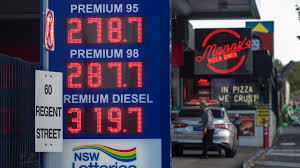
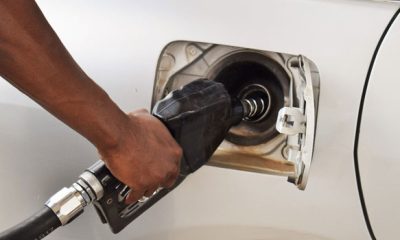
Authorities in Australia have rolled out emergency cost-of-living measures—including halving fuel taxes and offering free public transport in some states.
The federal government, led by Prime Minister Anthony Albanese, announced a temporary cut to the fuel excise tax, reducing it by 26.3 cents per litre for petrol and diesel over three months. The move is expected to save motorists between A$10 and A$20 per tank, though it will cost the government about A$2.55bn.
The spike in fuel prices has been driven by the ongoing conflict involving Iran, Israel, and the United States, alongside disruptions to shipping through the Strait of Hormuz—a critical corridor for around 20% of the world’s oil and gas.
At the state level, Victoria has announced free travel on trains, trams, and buses throughout April. Premier Jacinta Allan said the measure aims to ease pressure on households and reduce fuel demand.
Similarly, Tasmania will provide free public transport—including buses, coaches, and ferries—until the end of June. Premier Jeremy Rockliff said the policy is designed to shield residents from rising living costs, with additional savings for families using school transport services.
However, other states have stopped short of adopting similar measures. In New South Wales, Transport Minister John Graham said offering free public transport would impose significant daily costs, arguing funds must be preserved for longer-term economic resilience.
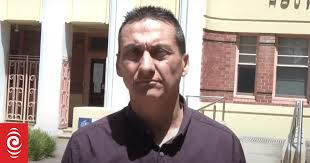
Australian police have shot and killed a man believed to be Dezi Freeman, ending a seven-month manhunt following the killing of two officers in Victoria.
According to Victoria Police, the fatal shooting occurred after an hours-long standoff at a rural property in the state’s north-east. Authorities say the 56-year-old had been hiding since August, when he allegedly gunned down two officers at his property in Porepunkah before fleeing into surrounding bushland.
Chief Commissioner Mike Bush said officers surrounded a makeshift structure—described as a hybrid between a shipping container and a caravan—around 05:30 local time on Monday. After several hours and repeated calls to surrender, a man believed to be Freeman emerged and was shot.
Bush indicated the suspect appeared to be armed, possibly with a weapon taken from one of the officers killed in the earlier incident. He emphasised that police had intended to take Freeman into custody but that he did not surrender when given the opportunity.
Jacinta Allan described the development as the end of a dangerous chapter, stating: “Today an evil man is dead. It’s over.”
No officers were injured during the operation. As is standard procedure, the shooting will be subject to an independent investigation.
The manhunt began after the fatal shooting of two senior constables, Neal Thompson and Vadim de Waart, who had attended Freeman’s property on 26 August as part of an investigation into alleged sex offences.
Police said the families of the slain officers were informed first about the outcome of the operation. Formal identification of the deceased is still pending, though authorities say confirmation is expected within 24 to 48 hours.
If confirmed, officials say the development will bring a measure of closure to a case that has deeply affected the local community and law enforcement agencies.


Oil Prices Tumble as Iran Reopens Strait of Hormuz During Ceasefire

US Singer D4vd Arrested on suspicion Over Teen Girl’s Death

Strait of Hormuz ‘completely open’ to commercial ships


-
 News1 week ago
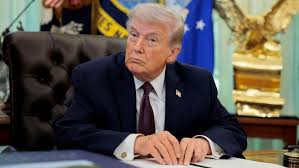
Trump Orders U.S. Navy to Blockade Strait of Hormuz After Iran Talks Collapse
-

 Business1 week ago
Dolce & Gabbana co-founder steps down as chair
-

 Sports1 week ago
Nike investigating issue with World Cup kits
-

 Sports1 week ago
Prograis announces retirement after Benn Defeat in Emotional Farewell
-
 Entertainment1 week ago
Hip-Hop Pioneer Afrika Bambaataa Dies at 68
-
 News1 week ago
Calls grow for Swalwell to quit California governor race after sexual assault allegations
-
 News1 week ago
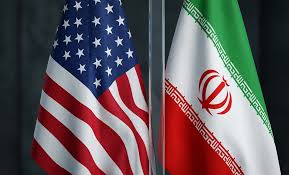
Iran-US peace talks take place After Decades of Conflict
-

 Sports1 week ago
Salah and Ngumoha Fire Liverpool Past Fulham in Premier League Clash