
General
Heartrending Stories of NOUN Law Students as Varsity Cancels Programme

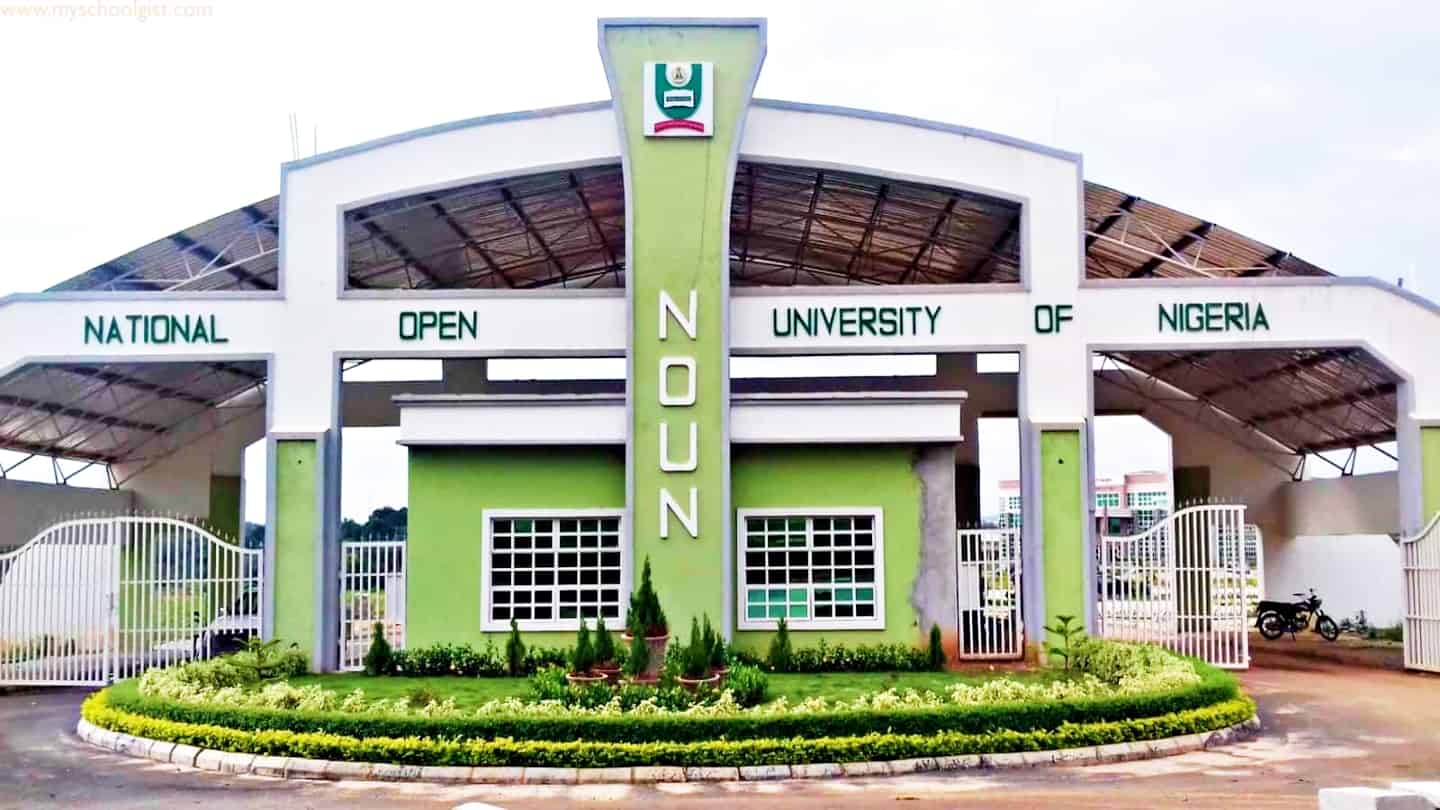
The recent cancellation of the Law programme at the National Open University of Nigeria (NOUN) has left many final-year students grappling with despair and frustration. The abrupt termination has significant implications for students who had invested years of their lives, substantial financial resources, and personal sacrifices into their legal studies.
The Impact on Students
Ade Oludokun‘s journey to becoming a lawyer is marked by significant personal and financial struggles. After losing his job in 2017 and subsequently his business, Ade enrolled in NOUN to pursue his law degree, believing it would provide a path to a better future. Despite financial hardships, he invested over N2 million into his studies, only to face heartbreak when the university announced the cancellation of the LLB Law Programme. “I am in deep emotional pain,” Ade shared. “I invested so much, and now, just as I am nearing graduation, the programme has been terminated.”
Bertram faced life-threatening challenges during his studies, including a harrowing kidnapping in 2018. Despite enduring such traumatic experiences and disruptions, Bertram’s commitment to completing his studies was unwavering. The news of the programme’s cancellation added to his anguish. “We sought extensions and interventions from various authorities, but our appeals were disregarded. Now, we face the abrupt closure of our programme without any formal notification.”
Sadiku, who had invested in his education with support from his wife after losing his job, was nearing the end of his studies. He had completed his final project and had only six courses left. The sudden cancellation, he says, “is incredibly painful, especially knowing that the decision was made to pave the way for a new programme.”
Systemic Issues and Regulatory Challenges
The issues facing NOUN’s Law programme are rooted in systemic and regulatory challenges. Established in 2002, NOUN’s Law programme has struggled with accreditation and infrastructural issues, including lost academic records and system crashes. Despite efforts to address these challenges, students faced frequent setbacks, including retaking courses and navigating a complex accreditation landscape.
Prof. Sam Erugo (SAN) explains that the NOUN Law degree programme has long been viewed as conflicting with Nigerian regulations for legal training. Historically, graduates faced exclusion from the Nigerian Law School until a remedial year was introduced to level the playing field. This compromise was a partial solution, but it did not resolve the fundamental regulatory conflicts.
Legal Perspectives and Responses
Senior Advocate of Nigeria, Isiaka Olagunju, argues that NOUN should have provided alternative options for students, especially those in their final year, such as affiliations with other universities to complete their degrees. He asserts, “The management of NOUN should be held accountable for the students’ predicament, having been aware that the part-time Law degree was not recognized.”
Prof. Sam Erugo adds that discussions about the cessation of the NOUN Law degree programme have been ongoing. He emphasizes the need for a structured approach to ensure that all legitimately enrolled students can complete their studies. “The cessation was not sudden; it was a result of long-standing discussions. Stakeholders should have ensured that steps were taken to allow affected students to graduate.”
Appeals and Next Steps
In response to the cancellation, students have formed the Concerned Law Students of the National Open University of Nigeria, advocating for intervention and reconsideration. They appeal to the government and NOUN management to grant an additional academic year or other solutions to allow students to complete their studies.
The students’ plight highlights broader issues within the Nigerian education system, including the need for clear regulations and support structures for distance learning programmes. As the situation unfolds, the focus will be on finding equitable solutions for those affected and addressing the systemic issues that led to the programme’s termination.



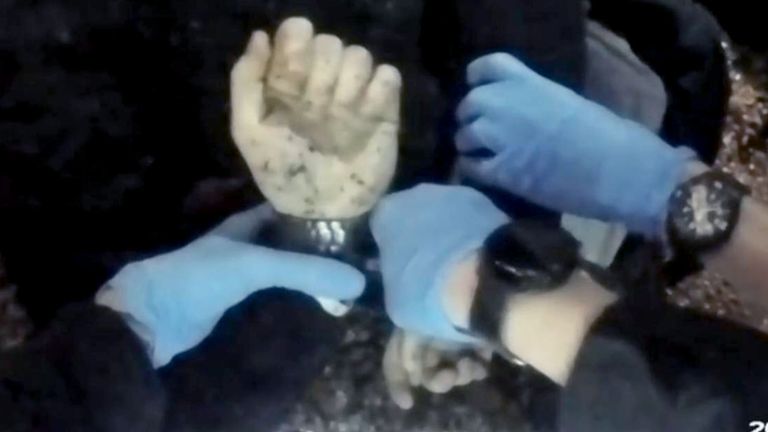
Bodycam footage played during proceedings has revealed the interaction between police officers and a man identified as Henry Nowak in the moments before he became unresponsive while being detained.
In the video, an officer is heard asking Nowak where he had allegedly been stabbed. The officer then adds: “Don’t think you have, mate.”
As officers move to place him in handcuffs, Nowak repeatedly tells them, “I can’t breathe,” making the statement three more times during the arrest.
One officer is then heard saying: “He says he’s been stabbed, so let’s just check him.” The footage appears to show the officer briefly lifting Nowak’s shirt near his waistline before he is left lying on his side.
A female officer subsequently asks: “Where do you think he’s been stabbed? In the face?”
Another officer responds: “He hasn’t been stabbed.”
Shortly afterwards, Nowak, who appears to be unresponsive in the footage, is informed that he is under arrest on suspicion of assault.
The footage forms part of the evidence being examined as investigators continue to review the circumstances surrounding the incident.
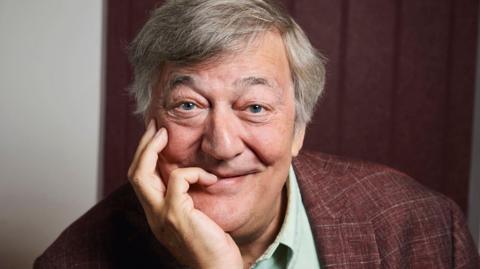
Stephen Fry has launched legal action against the organisers of a technology conference after suffering serious injuries when he fell off a stage following a keynote speech in London.
The broadcaster, actor and author is seeking up to £100,000 in damages after the accident at the CogX Festival, which took place at The O2 Arena in September 2023.
Sir Stephen, 68, said he sustained multiple injuries in the fall, including fractures to his leg, hip, pelvis and several ribs. He had been speaking at the event after being invited to deliver a keynote address focused on artificial intelligence.
Describing the incident at the time, he said: “So I broke my right leg in a couple of places and my hip and pelvis in four places and a bunch of ribs.”
He added that he felt fortunate the injuries were not even more severe, saying he had “praised my lucky stars” that he did not damage his spine or suffer a skull injury.
According to court documents filed on his behalf, Fry is bringing a personal injury claim against CogX Festival Ltd and Blonstein Events Ltd.
The filing states that after finishing his presentation and while leaving the stage through the backstage area, he fell approximately two metres from the stage onto the concrete floor below.
“The Claimant brings a claim for damages for personal injuries sustained on 14 September 2023 at the O2 Arena, London, whilst attending the CogX Festival where he had been engaged to deliver a talk on Artificial Intelligence,” the court documents state.
The legal action is focused on the circumstances surrounding the fall and whether sufficient safety measures were in place backstage at the venue.
Neither CogX Festival Ltd nor Blonstein Events Ltd has publicly responded to the claim so far.
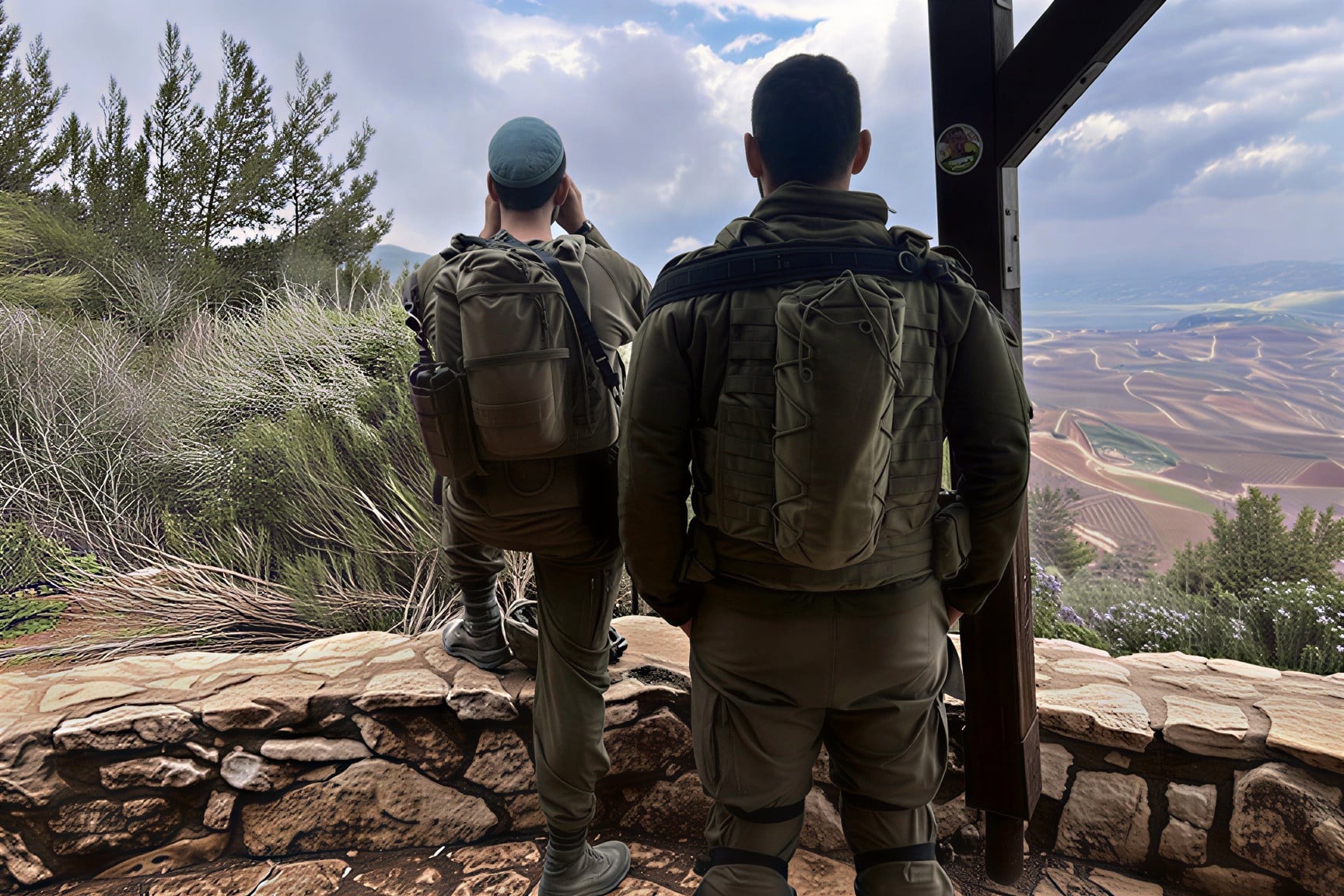
The Israel Defense Forces (IDF) has disciplined soldiers involved in the vandalism of a statue of Jesus in southern Lebanon, following widespread condemnation of the incident.
According to the IDF, the soldier who struck the statue with a sledgehammer, along with another who photographed the act, will each serve 30 days of military detention and be removed from combat duties. The military added that six additional soldiers present at the scene, who failed to intervene or report the incident, will face separate disciplinary action.
The incident occurred in the village of Debel, where an image of the damaged statue circulated widely online, sparking outrage both locally and internationally.
Israeli Prime Minister Benjamin Netanyahu said he was “stunned and saddened” by the act, as criticism mounted over the conduct of the troops.
In a statement, the IDF said its internal inquiry found the soldiers’ actions “completely deviated from IDF orders and values” and expressed “deep regret” over what happened. It added that the damaged statue had since been replaced in coordination with the local community.
The military emphasised that its operations in Lebanon are directed solely against militant groups, including Hezbollah, and not against civilians or religious sites.
Local leaders strongly condemned the act. Father Fadi Flaifel, head of the village’s congregation, described it as a desecration of a sacred symbol, saying it violated principles of respect and human rights.


Twelve Killed in Deadly Johannesburg Settlement Shooting

Belfast Violence Escalates After Knife Attack Leaves Man Blind in One Eye, Suspect Appears in Court

Somali Referee Omar Artan Denied Entry to United States Ahead of 2026 World Cup


-
 News1 week ago
Police Conduct Under Review After Murder of Southampton Student Henry Nowak
-
 News1 week ago
White House Correspondents’ Dinner Rescheduled Following Security Incident
-
 Sports4 days ago
Eriksen Recovering Well After On-Field Collapse, Doctor Confirms
-

 Sports4 days ago
My 2026 FIFA World Cup Predictions: Who Will Qualify From Each Group?
-
General1 week ago
Bodycam Footage Reveals Final Moments Before Arrested Man Became Unresponsive
-

 News1 week ago
China Bans Four New Zealand MPs Over Taiwan Trip
-
 News6 days ago
Hegseth Criticises Europe’s Migration Policies in D-Day Speech
-
 Sports1 week ago
Real Madrid Close to Agreement with Ibrahima Konate After Liverpool Exit