
Business
Constellation Brands Sells Svedka Vodka to Sazerac Amid Strategic Portfolio Shift

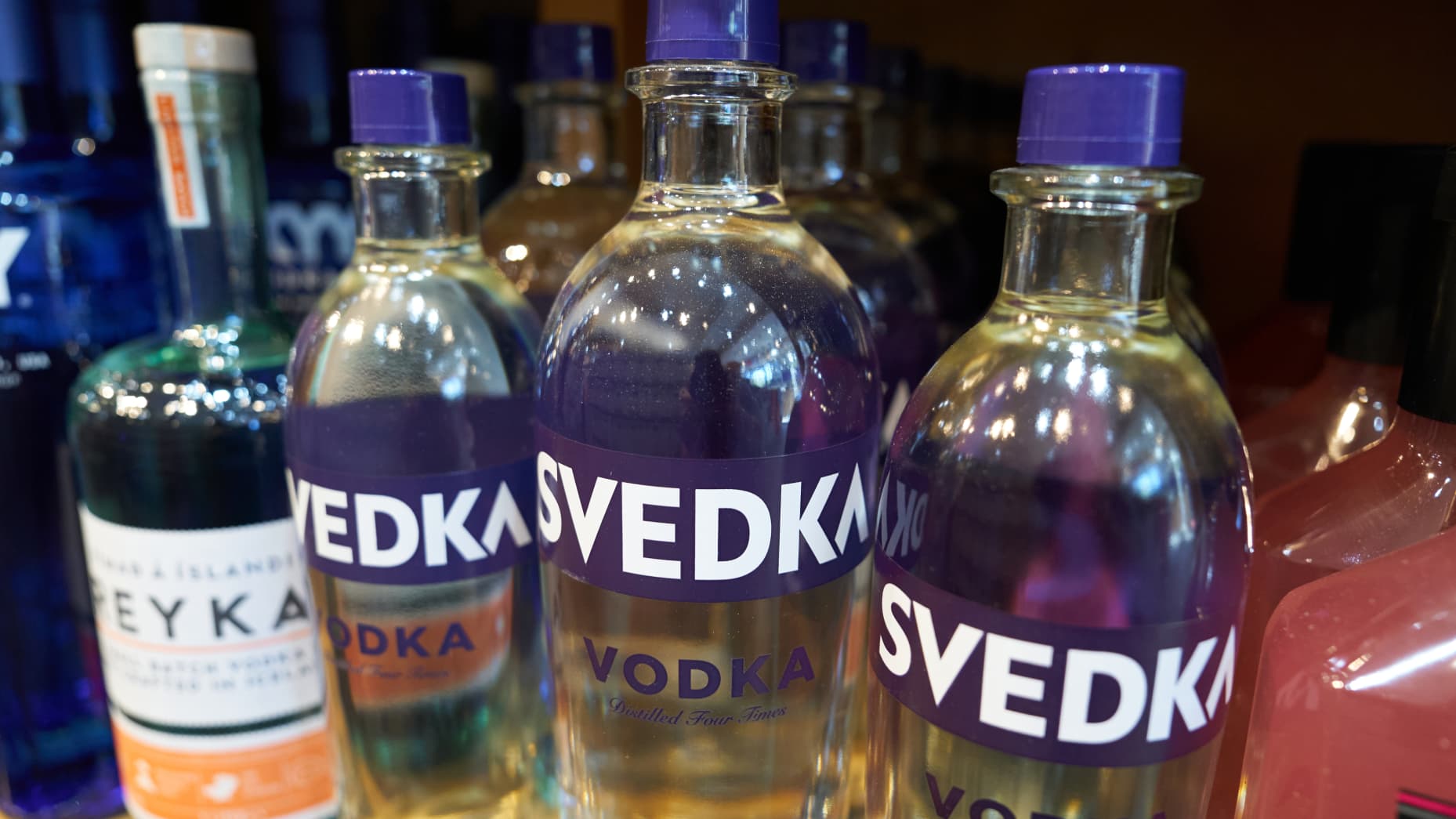
Constellation Brands announced Tuesday that it will sell its Svedka vodka brand to New Orleans-based Sazerac, as part of a strategic move to optimize its wine and spirits portfolio amid declining performance in the segment.
- The deal is anticipated to close within the coming months, though the financial terms were not disclosed.
- Bill Newlands, Constellation’s CEO, described the transaction as aligning with efforts to reshape the portfolio for growth, adding, “This transaction is another step forward in seeking to ensure that our wine and spirits portfolio is optimized to succeed.”
- Constellation’s wine and spirits business has struggled compared to its thriving beer portfolio, which includes bestsellers Modelo and Corona.
- Shipments for the segment fell by 9.8% year-over-year in Q2.
- Net sales and operating income dropped 12% and 13%, respectively.
- CEO Newlands cited headwinds in the lower-priced wine and spirits category as a persistent challenge during the company’s October earnings call.
- Despite accounting for only 5% of Constellation’s total volumes in 2023, wine and spirits contributed 17% of net sales, with wine taking the lion’s share at 86% compared to 14% from spirits.
- Sazerac will integrate Svedka into its diverse portfolio, which already includes global brands such as:
- Buffalo Trace bourbon
- Fireball Cinnamon Whisky
- Southern Comfort
- Constellation will retain key spirits labels, including:
- High West Whiskey
- Mi Campo Tequila
- Casa Noble Tequila
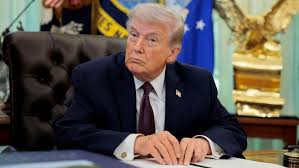
Donald Trump has announced plans to raise tariffs on cars and trucks imported from the European Union to 25%, marking a major escalation in trade tensions between Washington and Brussels.
In a post on Truth Social on Friday, Trump accused the EU of failing to honour what he described as a fully agreed trade deal, although he did not specify which commitments he believed had been violated.
“I am pleased to announce that… next week I will be increasing Tariffs charged to the European Union for Cars and Trucks,” Trump wrote.
The move directly targets one of Europe’s most economically important industries, with automotive manufacturing playing a central role in major economies such as Germany and France.
The tariff increase comes less than a year after the United States and the EU reached a major trade agreement during talks held at Trump’s Turnberry Golf Resort in Scotland. That agreement had set tariffs on most European goods at 15%, helping the EU avoid the broader 30% tariffs Trump had previously threatened under his wider “Liberation Day” tariff programme.
In return, the EU agreed to increase investment in the United States and make policy adjustments expected to support stronger American exports.
The agreement was later approved by the European Parliament in March, although lawmakers added a safeguard clause allowing the deal to be suspended if the Trump administration was found to be undermining its purpose, discriminating against EU businesses, threatening member states’ security interests, or engaging in economic coercion.
Since then, trade talks have slowed again, particularly over disputes involving steel and aluminium tariffs. Several major European governments, including Germany and France, had pushed back against U.S. proposals to revise tariff structures across a broader range of goods.
Responding to Trump’s latest announcement, the European Commission said the EU remained committed to fulfilling its obligations and maintaining a stable transatlantic trade relationship, while also seeking further clarification from Washington.
A spokesperson said the bloc was implementing the deal “in line with standard legislative practice, keeping the U.S. administration fully informed throughout.”
The Commission added: “We remain fully committed to a predictable, mutually beneficial transatlantic relationship. Should the U.S. take measures inconsistent with the Joint Statement, we will keep our options open to protect EU interests.”
The International Monetary Fund has warned that the global economy faces a serious risk of slipping into recession if the ongoing conflict involving Iran, the United States, and Israel continues and keeps energy prices elevated.
In its latest World Economic Outlook report, the IMF outlined a worst-case scenario in which oil, gas, and food prices surge and remain high through 2026. Under such conditions, global economic growth could fall below 2% next year — a level historically associated with near-recession conditions worldwide.
“This would mean a close call for a global recession, which has happened only four times since 1980,” the IMF noted, pointing to the most recent downturn during the COVID-19 pandemic.
Energy markets have been under intense pressure since the conflict escalated more than six weeks ago, particularly after disruptions to the Strait of Hormuz, a vital shipping corridor for global oil and gas supplies. The collapse of peace talks between Washington and Tehran has further heightened uncertainty.
The IMF cautioned that the most severe economic impact would occur if oil prices average $110 per barrel this year and rise to $125 by 2027. In that scenario, global inflation could climb as high as 6% next year, potentially forcing central banks to raise interest rates to contain price pressures.
IMF Chief Economist Pierre-Olivier Gourinchas said that while defining a global recession can be complex, growth around 2% would feel like one for many people worldwide, with rising unemployment and increased food insecurity in several regions.
Although oil prices briefly approached $120 per barrel during the conflict, they have since eased, trading at around $98.85 as of Tuesday. However, the IMF stressed that the risk of recession would increase significantly if current disruptions persist over an extended period.
A quicker resolution to the conflict could help stabilise the outlook. The IMF said that if fighting subsides in the coming weeks and energy production normalises by mid-year, global growth in 2026 could reach 3.1%, slightly below its earlier forecast of 3.3%.
Among advanced economies, the United Kingdom is expected to be the hardest hit by the energy shock, with growth forecast downgraded to 0.8% this year before a modest recovery to 1.3%.
Oil-exporting nations in the Gulf are also projected to face significant economic strain. Iran’s economy is expected to contract by 6.1% this year, though it could rebound by 3.2% in 2027 if the conflict ends soon.
Elsewhere in the region, Qatar — a major supplier of liquefied natural gas — has seen key infrastructure targeted, including the Ras Laffan industrial complex. Its economy is forecast to shrink by 8.6% in 2026 before rebounding strongly the following year.
Neighbouring Iraq is also expected to suffer a 6.8% slowdown this year, followed by a projected recovery to 11.3% growth in 2027. Meanwhile, Saudi Arabia is forecast to maintain positive growth of 3.1% in 2026, accelerating to 4.5% the year after.

Stefano Gabbana, co-founder of Dolce & Gabbana, has stepped down as chair of the company he established in 1985 alongside Domenico Dolce.
The move comes as the luxury fashion house navigates mounting financial challenges, including a debt burden of approximately €450m (£391m/$528m), alongside a broader slowdown in the global luxury retail market. Reduced consumer spending—particularly in China—has added pressure on high-end brands.
Despite stepping down from the chairmanship, Gabbana will remain deeply involved in the creative direction of the brand, continuing his longstanding collaboration with Dolce in designing collections and maintaining the identity that has defined the label for decades.
Leadership responsibilities have transitioned to Alfonso Dolce, brother of Domenico Dolce and the company’s chief executive, who officially assumed the role of chair on 1 January. Corporate filings indicate that Gabbana communicated his decision internally in December.
In response to shifting market dynamics, Dolce & Gabbana has been expanding into new sectors, including hospitality and home furnishings. Its recent offerings feature high-end lifestyle pieces such as a leopard-print porcelain vase priced at £1,084, reflecting an effort to diversify revenue streams.
Industry observers highlight the scale of the company’s financial obligations. Fashion expert Priya Raj noted that the brand remains privately owned, with both Gabbana and Domenico Dolce each holding significant 40% stakes—leaving open questions about future ownership structures.
Reports in March indicated that the company had engaged financial advisers and entered discussions with creditors as it seeks to manage its debt. In a statement on Friday, the firm confirmed that negotiations with banks are ongoing, declining further comment at this stage.
Despite financial headwinds and past controversies—including criticism earlier this year during Milan Fashion Week over a predominantly white model cast, which drew backlash from figures like Bella Hadid—the brand has demonstrated resilience. Analysts note that its distinctive aesthetic continues to attract a loyal global following, even as industry trends evolve.


Trump Announces 25% Tariff on EU Cars

Zayn Malik cancels US tour Plans After Hospital Recovery

Trump Voices Fresh Frustration With Iran as War Powers Deadline Draws Near


-

 News1 week ago
Hundreds of Wildfires Rage Across Florida and Georgia, Forcing Evacuations
-
 News1 week ago
Iran says reopening Strait of Hormuz ‘impossible’ amid US blockade
-

 Entertainment1 week ago
MrBeast’s Company Faces Lawsuit Over Sexual Harassment Allegations
-
 Sports1 week ago
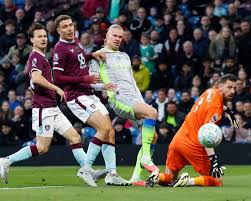
Manchester City Go Top as Burnley Relegated After Turf Moor Defeat
-
News1 week ago
Donald Trump has announced that the Israel-Lebanon ceasefire has been extended by three weeks.
-

 Sports1 week ago
Injured Lamine Yamal ‘expected to be fit’ for World Cup
-

 News1 week ago
Five Critically Injured After Head-On Train Collision in Denmark
-
 Sports7 days ago
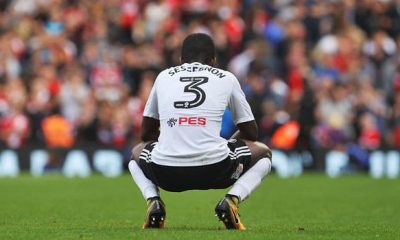
Sessegnon Strike Lifts Fulham’s European Hopes as Villa Stumble