
Politics
Harris and Trump Make Last Appeals in Georgia and North Carolina as Election Nears

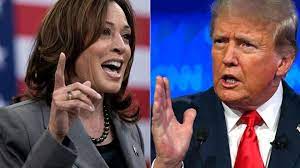
Donald Trump and Kamala Harris have made impassioned final campaign stops in the crucial southern swing states of North Carolina and Georgia as the presidential election draws to a close.
In Gastonia, North Carolina, Trump took the stage to a roaring crowd chanting “USA, USA,” emphasizing the importance of voter turnout. “This will happen on Tuesday,” he declared, urging supporters to vote and promising a revival of the American dream. “We win this state, we’re gonna win the whole ball game,” he added, underlining the significance of North Carolina in the electoral map.
Meanwhile, Kamala Harris energized a crowd in Atlanta, Georgia, walking on stage to Beyoncé’s “Freedom.” In her closing argument, she drew a sharp contrast between her vision and Trump’s leadership. Harris accused Trump of focusing on an “enemies list” on his first day back in office. In contrast, she promised to bring a “to-do list,” laying out an agenda of action and change if elected.
With both states considered pivotal battlegrounds, the stakes are high as early voting numbers continue to climb and both campaigns make their final efforts to sway undecided voters.




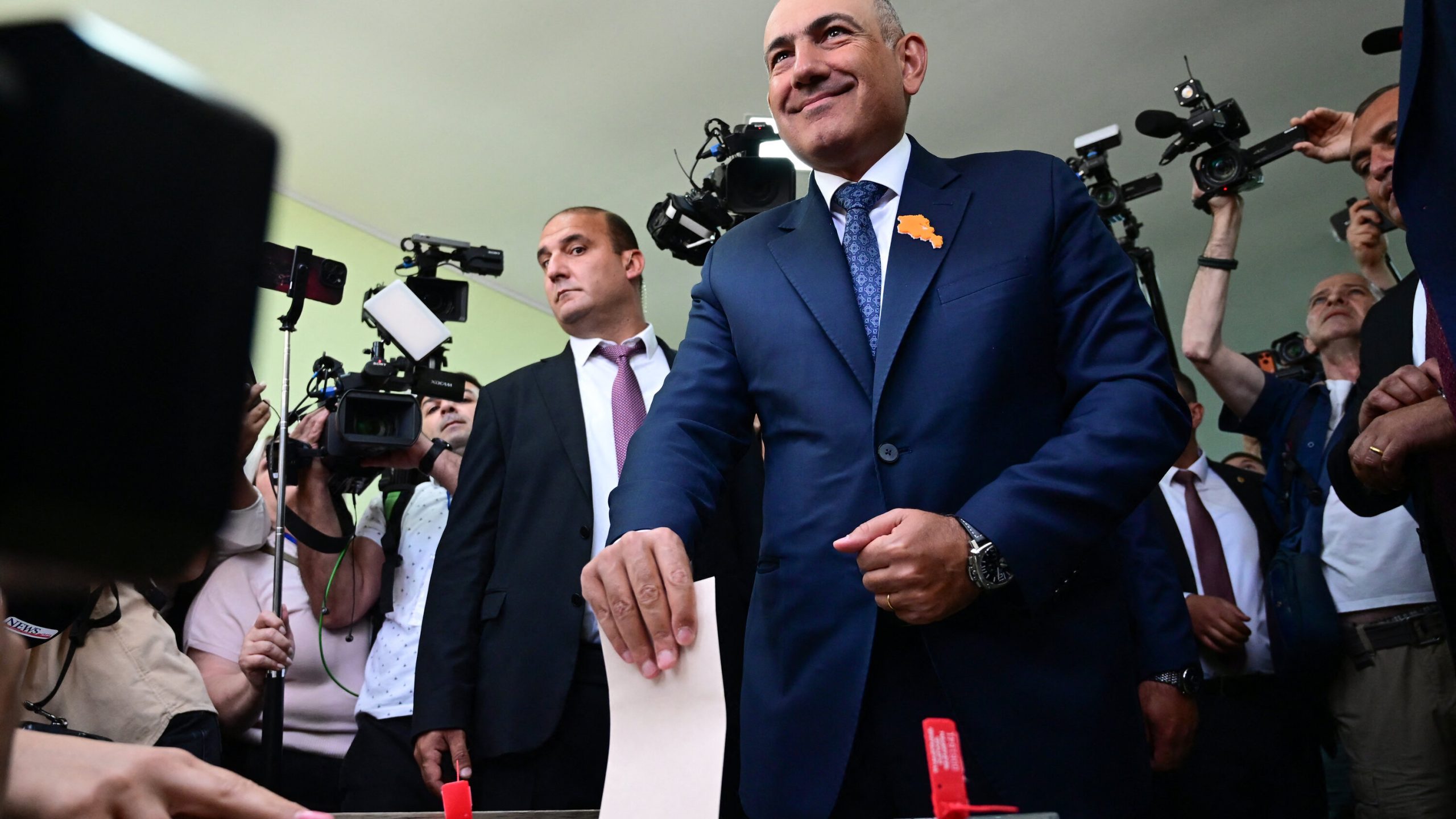
Armenian Prime Minister Nikol Pashinyan has secured a significant political victory after his centrist Civil Contract Party won a crucial general election, reinforcing his government’s efforts to strengthen ties with Western partners while maintaining relations with Russia.
According to preliminary results, Civil Contract received 49.8% of the vote, comfortably ahead of the pro-Russian Strong Armenia Alliance, which secured 23.2%. The Armenia Alliance, another opposition bloc with close ties to Moscow, finished third with 9.9%.
The election was widely viewed as a referendum on Armenia’s foreign policy direction as the South Caucasus nation seeks to deepen engagement with Europe while navigating economic and political pressure from Russia, its traditional ally and largest trading partner.
Declaring victory after the results emerged, Pashinyan said voters had endorsed a vision focused on stability and cooperation.
“The Armenian people voted for peace, regional prosperity and cooperation,” he said.
The vote was the first parliamentary election since Armenia’s defeat in the 2023 conflict with neighboring Azerbaijan over the disputed region of Nagorno-Karabakh, a development that reshaped the country’s political landscape and remains a major issue in domestic politics.
International reaction was swift, with European leaders welcoming the result. The European Union and France congratulated Pashinyan and praised Armenia’s growing cooperation with Western institutions.
Civil Contract’s victory came despite a decline in the prime minister’s popularity since his landslide win in 2021. Opinion polls before the election suggested support for Pashinyan had fallen to around 30%, largely due to public dissatisfaction over the handling of the Nagorno-Karabakh crisis.
Nineteen parties and alliances competed in the election, though only a handful gained enough support to enter parliament. Voter turnout reached 59%, according to electoral authorities.
Among the opposition groups, the Strong Armenia Alliance was led by Russian-Armenian businessman Samvel Karapetyan, while the Armenia Alliance was headed by former Armenian president Robert Kocharyan. Both have advocated closer ties with Moscow.
Despite pursuing stronger links with Europe, Pashinyan emphasized that Armenia would continue participating in the Russian-led Eurasian Economic Union (EAEU).
“We will continue the course of rapprochement with the West, but we will also continue our participation and membership in the Eurasian Economic Union,” he said.
The election took place against a backdrop of increasing pressure from Russia. In recent months, Russian President Vladimir Putin urged Armenia to clarify its long-term strategic direction and highlighted the economic advantages the country receives through its membership in the EAEU.
Moscow has also underscored Armenia’s dependence on discounted Russian energy supplies and recently imposed restrictions on imports of several Armenian products, including flowers, mineral water, cognac, fruits and vegetables.
Since coming to power in 2018, Pashinyan has sought to reduce Armenia’s reliance on Russia by advancing legislation aimed at beginning the process of closer integration with the European Union and by pursuing a US-backed peace process with Azerbaijan.
His government also hosted a major gathering of European leaders and Ukrainian President Volodymyr Zelensky in Yerevan earlier this year, further signaling Armenia’s growing engagement with Western partners.
However, Armenia remains far from EU membership, and the country has not yet obtained official candidate status.
At home, Pashinyan continues to face criticism from opponents who blame him for concessions made during efforts to normalize relations with Azerbaijan following the loss of Nagorno-Karabakh. Many critics remain angered by his approach to negotiations and his handling of issues involving former leaders of the region who remain imprisoned in Azerbaijan.
Nevertheless, the election result provides Pashinyan with a renewed mandate to continue balancing Armenia’s complex relationships with both the West and Russia while pursuing regional stability and economic development.
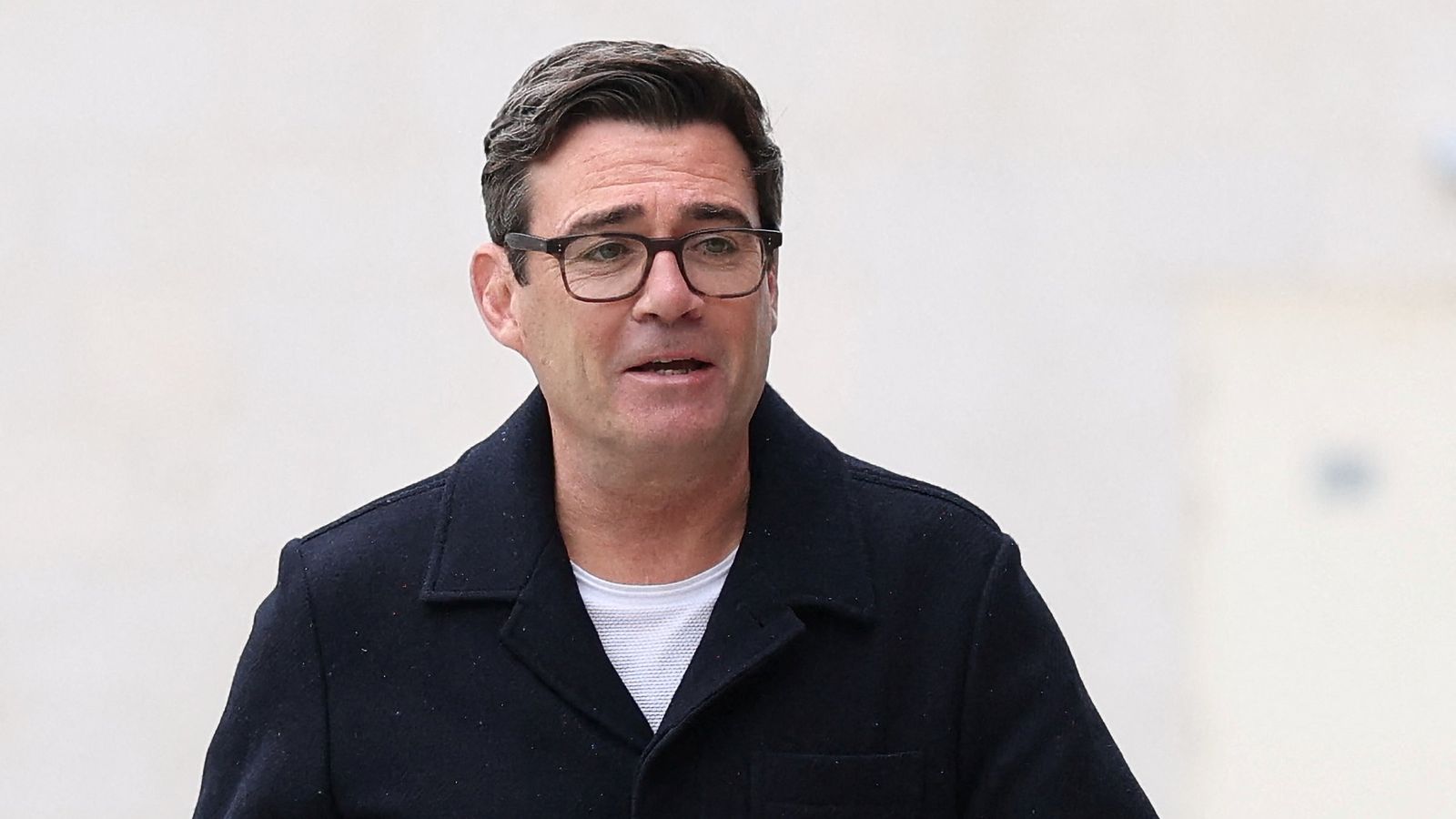
Josh Simons has announced he will resign as MP for Makerfield in order to allow Andy Burnham the opportunity to return to Parliament.
In a statement released on Thursday, Simons said stepping down had “not been an easy” decision but insisted the move was necessary for both his constituency and the country.
“Today, I am putting the people I represent and the country I love first and will be resigning as MP for Makerfield,” Simons said.
“I am standing aside so that Andy Burnham can return to his home.”
Simons praised Burnham as the figure best placed to lead major reforms within the Labour Party and restore public confidence in politics.
“If elected, Andy could drive the change our country is crying out for,” he said.
The Labour MP warned that the party had lost the trust of many traditional supporters and argued that urgent reforms were needed.
“We have lost the trust of those our party was built to serve,” Simons stated.
“It is my unwavering belief that nothing short of urgent, radical, courageous reform will make a difference.”
He added that Labour faced a critical moment politically, saying the party had “one last chance” to deliver meaningful change by driving economic growth, strengthening border security and reforming government institutions.
“That is the fight. I believe Andy is the one to lead it,” Simons said.
Burnham, a former cabinet minister and ex-Labour leadership contender, currently serves as mayor of Greater Manchester and remains one of the party’s most prominent figures outside Westminster.
No official announcement has yet been made regarding whether Burnham intends to contest the Makerfield seat.
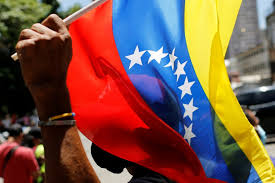
The United Nations says it has received troubling reports that detainees in Venezuela continue to face torture and mistreatment even after the removal of former president Nicolás Maduro earlier this year.
Speaking to the United Nations Human Rights Council, UN High Commissioner for Human Rights Volker Türk said allegations indicate that serious human rights abuses may still be taking place inside the country’s detention system.
Maduro was captured by United States Armed Forces during a January operation and later transferred to US custody to face charges related to narcotics trafficking.
Following his removal, former vice-president Delcy Rodríguez assumed power and has introduced an amnesty law aimed at freeing detainees. Türk welcomed the measure but warned that deeper human rights problems remain.
“Structural and systemic human rights concerns have persisted,” he said.
According to Türk, many Venezuelans remain in arbitrary detention despite the amnesty legislation passed last month. He noted that at least one child is among those reportedly being held.
Authorities in Caracas say thousands of people have been granted freedom under the new law. The Venezuelan parliament — dominated by Maduro loyalists — claims more than 7,700 individuals have been released or had restrictions lifted.
However, the prisoners’ rights organisation Foro Penal says it has been able to verify the release of fewer than 700 detainees so far and estimates that more than 500 people remain imprisoned for political reasons.
Türk highlighted the gap between official figures and independent assessments, urging the Venezuelan authorities to provide more transparency.
His office has requested an official list of detainees released under the amnesty law as well as unrestricted access to several detention facilities, but those requests have so far not been granted.
The UN also says it has received information indicating continued abuse of prisoners at detention centres including Rodeo 1 detention centre and Fuerte Guaicaipuro.
Türk’s remarks come shortly after the Independent International Fact‑Finding Mission on Venezuela updated the Human Rights Council on its latest findings.
The mission reported that Venezuela’s repressive state structures remain largely intact despite Maduro’s removal and that institutions linked to previous abuses are still operating.
In earlier investigations, the mission documented numerous cases in which detainees were subjected to torture, sexual violence and other cruel or degrading treatment inside Venezuelan detention facilities.
Venezuelan officials have repeatedly rejected such accusations, describing previous UN reports as politically motivated and driven by hostile interests.


Twelve Killed in Deadly Johannesburg Settlement Shooting

Belfast Violence Escalates After Knife Attack Leaves Man Blind in One Eye, Suspect Appears in Court

Somali Referee Omar Artan Denied Entry to United States Ahead of 2026 World Cup


-

 News1 week ago
Police Conduct Under Review After Murder of Southampton Student Henry Nowak
-
 News1 week ago
White House Correspondents’ Dinner Rescheduled Following Security Incident
-

 Sports4 days ago
Eriksen Recovering Well After On-Field Collapse, Doctor Confirms
-
General1 week ago
Bodycam Footage Reveals Final Moments Before Arrested Man Became Unresponsive
-

 Sports4 days ago
My 2026 FIFA World Cup Predictions: Who Will Qualify From Each Group?
-
 News1 week ago
China Bans Four New Zealand MPs Over Taiwan Trip
-
 News6 days ago
Hegseth Criticises Europe’s Migration Policies in D-Day Speech
-

 Sports1 week ago
Real Madrid Close to Agreement with Ibrahima Konate After Liverpool Exit