
General
Joe Biden’s Remarks and Post-Assassination Attempt

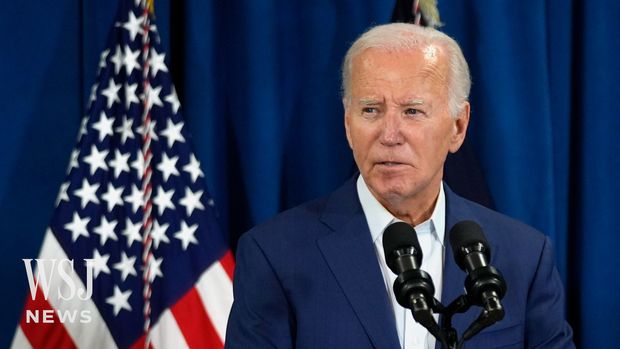
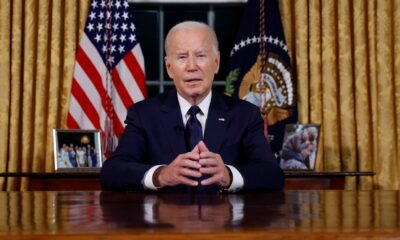
President Joe Biden has publicly acknowledged that his comment mentioning putting Donald Trump “in a bullseye” was a mistake, following an attempted assassination on his election rival. In his first interview since the incident, Biden clarified that he intended to emphasize focusing on Trump’s policies and statements, not promoting violence.
Speaking to NBC’s Lester Holt, Biden underscored the responsibility of his campaign to highlight what he views as the dangers of another Trump presidency. He admitted regret for using the word “bullseye,” insisting it was meant metaphorically to concentrate attention on Trump’s actions.
Throughout the interview, Biden addressed concerns about his age and mental acuity, emphasizing his commitment to serving as president and reaffirming his capability for the job. He acknowledged the legitimate questions about his age and expressed confidence in the voters who supported him during the Democratic primary.
In response to criticisms linking his rhetoric to the attempted assassination, Biden called for a reduction in political tensions and denounced any inflammatory language that could incite violence. He pointed out that such rhetoric did not originate from him and highlighted his efforts to foster unity and calm in the aftermath of the attack.
The president’s remarks come amid ongoing debate over the incident and its political implications, with several Republicans blaming Biden and other Democrats for contributing to the atmosphere that led to the shooting. The FBI identified the gunman as Thomas Matthew Crooks, who was fatally shot by a Secret Service sniper after targeting Trump.
Biden’s interview reflects his efforts to address the fallout from the assassination attempt while navigating the complexities of political discourse in a deeply divided country.






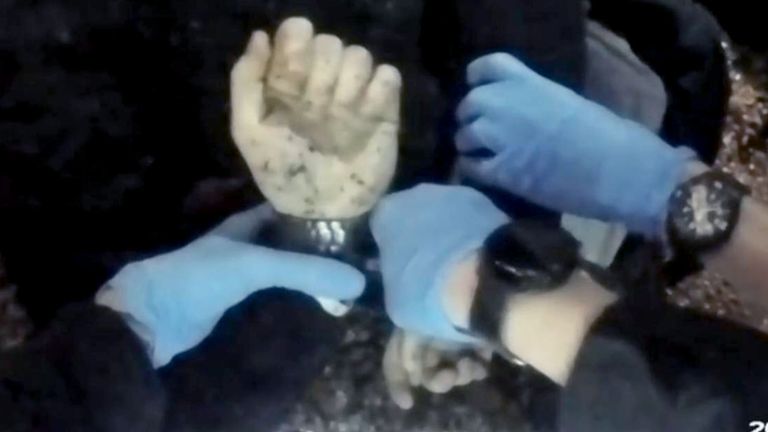
Bodycam footage played during proceedings has revealed the interaction between police officers and a man identified as Henry Nowak in the moments before he became unresponsive while being detained.
In the video, an officer is heard asking Nowak where he had allegedly been stabbed. The officer then adds: “Don’t think you have, mate.”
As officers move to place him in handcuffs, Nowak repeatedly tells them, “I can’t breathe,” making the statement three more times during the arrest.
One officer is then heard saying: “He says he’s been stabbed, so let’s just check him.” The footage appears to show the officer briefly lifting Nowak’s shirt near his waistline before he is left lying on his side.
A female officer subsequently asks: “Where do you think he’s been stabbed? In the face?”
Another officer responds: “He hasn’t been stabbed.”
Shortly afterwards, Nowak, who appears to be unresponsive in the footage, is informed that he is under arrest on suspicion of assault.
The footage forms part of the evidence being examined as investigators continue to review the circumstances surrounding the incident.
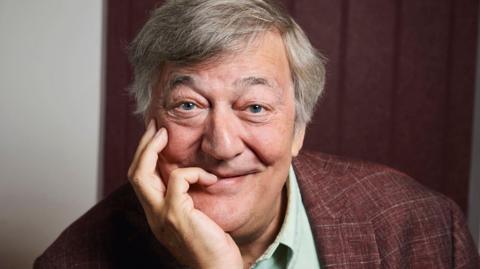
Stephen Fry has launched legal action against the organisers of a technology conference after suffering serious injuries when he fell off a stage following a keynote speech in London.
The broadcaster, actor and author is seeking up to £100,000 in damages after the accident at the CogX Festival, which took place at The O2 Arena in September 2023.
Sir Stephen, 68, said he sustained multiple injuries in the fall, including fractures to his leg, hip, pelvis and several ribs. He had been speaking at the event after being invited to deliver a keynote address focused on artificial intelligence.
Describing the incident at the time, he said: “So I broke my right leg in a couple of places and my hip and pelvis in four places and a bunch of ribs.”
He added that he felt fortunate the injuries were not even more severe, saying he had “praised my lucky stars” that he did not damage his spine or suffer a skull injury.
According to court documents filed on his behalf, Fry is bringing a personal injury claim against CogX Festival Ltd and Blonstein Events Ltd.
The filing states that after finishing his presentation and while leaving the stage through the backstage area, he fell approximately two metres from the stage onto the concrete floor below.
“The Claimant brings a claim for damages for personal injuries sustained on 14 September 2023 at the O2 Arena, London, whilst attending the CogX Festival where he had been engaged to deliver a talk on Artificial Intelligence,” the court documents state.
The legal action is focused on the circumstances surrounding the fall and whether sufficient safety measures were in place backstage at the venue.
Neither CogX Festival Ltd nor Blonstein Events Ltd has publicly responded to the claim so far.
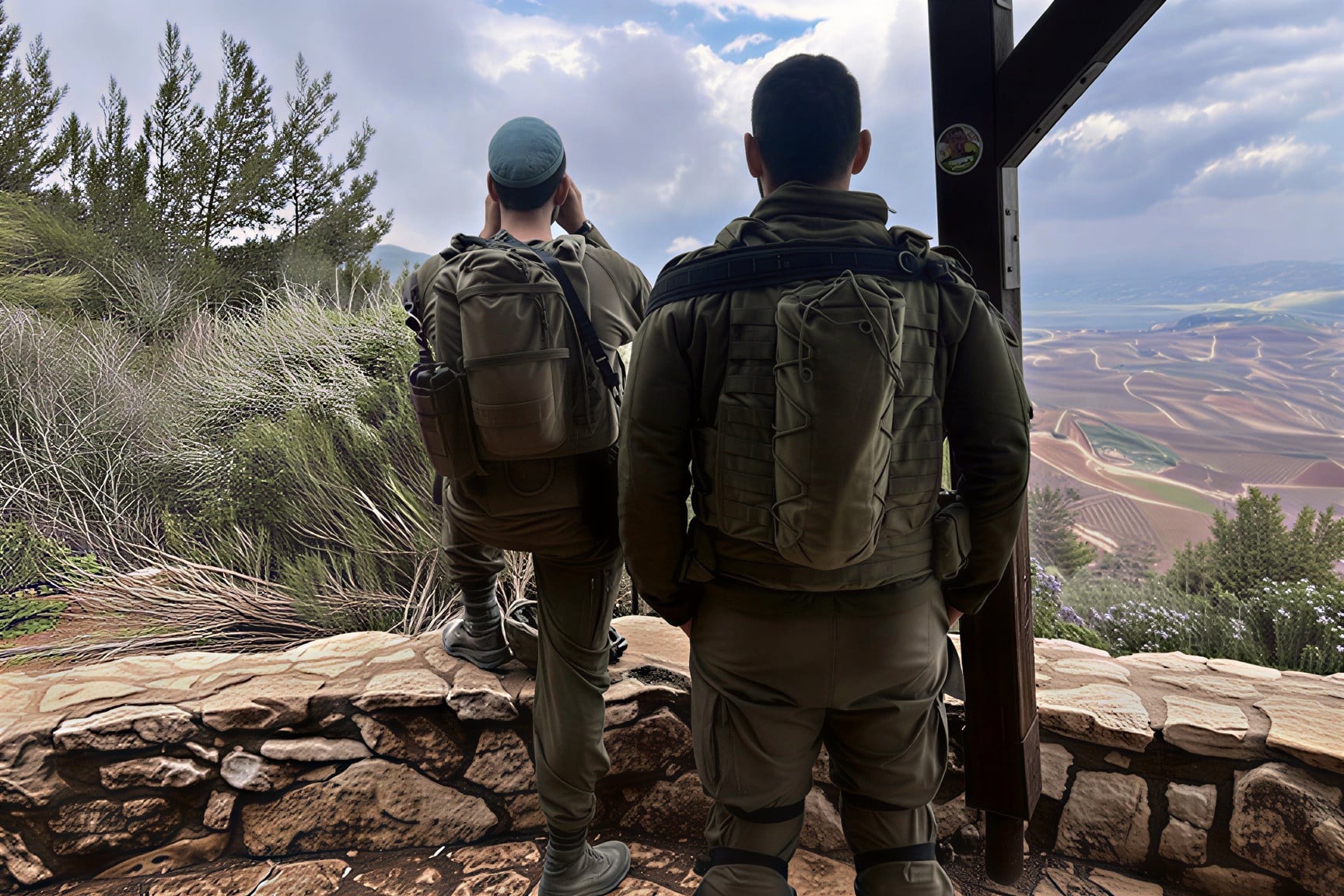
The Israel Defense Forces (IDF) has disciplined soldiers involved in the vandalism of a statue of Jesus in southern Lebanon, following widespread condemnation of the incident.
According to the IDF, the soldier who struck the statue with a sledgehammer, along with another who photographed the act, will each serve 30 days of military detention and be removed from combat duties. The military added that six additional soldiers present at the scene, who failed to intervene or report the incident, will face separate disciplinary action.
The incident occurred in the village of Debel, where an image of the damaged statue circulated widely online, sparking outrage both locally and internationally.
Israeli Prime Minister Benjamin Netanyahu said he was “stunned and saddened” by the act, as criticism mounted over the conduct of the troops.
In a statement, the IDF said its internal inquiry found the soldiers’ actions “completely deviated from IDF orders and values” and expressed “deep regret” over what happened. It added that the damaged statue had since been replaced in coordination with the local community.
The military emphasised that its operations in Lebanon are directed solely against militant groups, including Hezbollah, and not against civilians or religious sites.
Local leaders strongly condemned the act. Father Fadi Flaifel, head of the village’s congregation, described it as a desecration of a sacred symbol, saying it violated principles of respect and human rights.


Real Madrid Close to Agreement with Ibrahima Konate After Liverpool Exit

White House Correspondents’ Dinner Rescheduled Following Security Incident

Bodycam Footage Reveals Final Moments Before Arrested Man Became Unresponsive


-

 News1 week ago
Marco Rubio Says US-Iran Deal Could Come Monday
-

 Entertainment1 week ago
BTS Triumph at American Music Awards as Black Eyed Peas Reunite
-

 Tech1 week ago
Ferrari Unveils First Fully Electric Car
-

 News1 week ago
Four Killed After School Minibus Hit by Train in Belgium
-

 News1 week ago
Oil Prices Fall on Hopes of US-Iran Peace Deal
-
 Entertainment2 days ago
KSI Announces Departure from Sidemen After 13 Years
-
 Sports6 days ago
Sinner Shock Exit Blows French Open Wide Open After Five-Set Defeat
-
 News1 week ago
New Hamas Military Commander Killed in Gaza City Strike