
News
Israeli Strike on Gaza School Kills 22, Reports Say

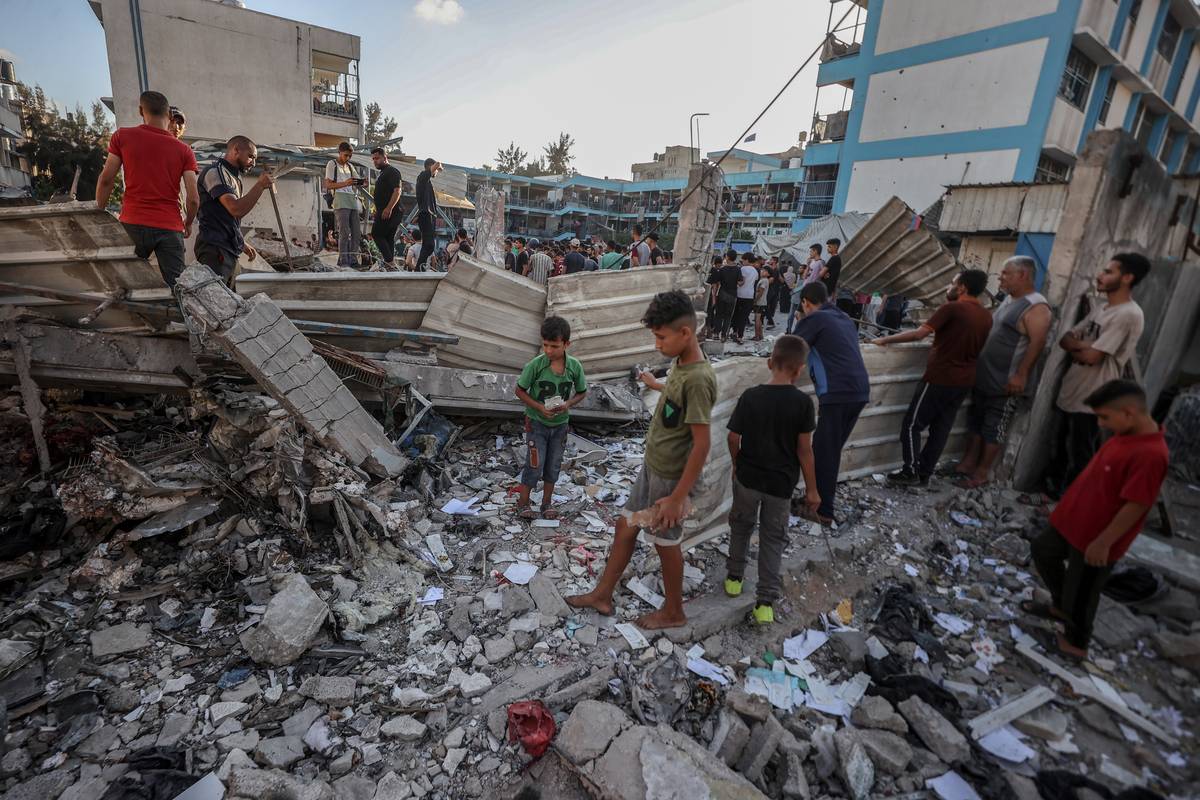
At least 22 Palestinians were killed and over 100 wounded on Sunday in a strike on a UN-run school in central Gaza, which was being used as a shelter for displaced people, according to the Hamas-run health ministry. The Israeli military claimed it targeted Hamas “terrorists” operating from Abu Oraiban School in the Nuseirat refugee camp.
Witnesses, said that there were no armed fighters at the site and that children were among the casualties. This incident marks the fifth attack on or near schools in Gaza in the past eight days.
In addition to the school strike, residents reported fresh air and artillery strikes in central Gaza on Monday. Five people were reportedly killed when a house in the Maghazi refugee camp was hit. The Israeli military stated that its aircraft had targeted dozens of “terror targets” across the territory in the past day.
Negotiations for a ceasefire and hostage release between Hamas and Israel are reportedly ongoing. This follows an air strike in the southern al-Mawasi humanitarian area on Saturday, which the health ministry said killed over 90 people. The Israeli military said the strike targeted a compound housing senior Hamas leaders, including Mohammed Deif and Rafa Salama. Salama was confirmed killed, but it is unclear if Deif also died. Hamas stated that Deif is in good health.
The recent conflict began on 7 October when Hamas launched an unprecedented attack on southern Israel, killing around 1,200 people and taking 251 hostages. Since then, more than 38,660 people have been killed in Gaza, according to the health ministry. These figures include both civilians and combatants.
The Israel Defense Forces (IDF) claimed that Hamas used the school as a “hideout and operational infrastructure” for attacks against Israeli troops. They emphasized that “numerous steps were taken to mitigate the risk of harming civilians,” including using precise munitions and additional intelligence. The IDF accused Hamas of using civilians and civilian structures as “human shields,” a charge that Hamas has denied.
Gaza’s Hamas-run Civil Defence force initially reported 15 deaths, mostly women and children. The health ministry later updated the death toll to 22. Hamas condemned the strike as an “extension of the genocide” against displaced Palestinians.
The IDF acknowledged carrying out five strikes on or near schools sheltering displaced people since 6 July, targeting Hamas figures and fighters using these sites as bases. Last Tuesday, hospital officials said at least 29 people were killed in an Israeli strike on a camp for displaced people near a school in Khan Younis. Additionally, 20 people were reportedly killed in three earlier strikes on other UN-run and church-run schools.
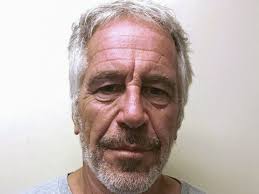
A US judge has ordered the release of a handwritten document said to have been written by disgraced financier and convicted sex offender Jeffrey Epstein shortly before his death in prison in 2019.
The note, which was unsealed on Wednesday, was reportedly discovered by Epstein’s former cellmate, Nicholas Tartaglione, after Epstein allegedly attempted suicide in July 2019, about a month before he was later found dead in his jail cell.
Authorities ruled Epstein’s death a suicide at the time as he awaited trial on federal sex-trafficking charges, though the case has remained the subject of widespread public scrutiny and conspiracy theories.
According to the newly released court filing, the handwritten note contains several short statements, including: “They investigated me for month – FOUND NOTHING!!!” and “It is a treat to be able to choose one’s time to say goodbye.”
The note also reportedly says: “Watcha want me to do – Bust out cryin!! NO FUN – NOT WORTH IT!”
The document, consisting of just seven handwritten lines, offers limited context and leaves uncertainty about its intended meaning.
The note had previously been sealed as part of criminal proceedings involving Tartaglione, who was being held in the same jail unit as Epstein while awaiting trial for four murders. Tartaglione, a former police officer, was later convicted in the killings.
Epstein had at one point accused Tartaglione of assaulting him in jail, allegations Tartaglione denied. The former inmate publicly discussed the existence of the note during a podcast appearance last year.
Court filings released alongside the note included a May 2021 letter from former Tartaglione attorney John A Wieder, who described the document as “the original” note that US District Judge Kenneth M Karas had ordered submitted to the court.
The United States Department of Justice did not immediately comment on the release of the document.
Epstein, who had longstanding connections to wealthy and influential figures, was arrested in 2019 on charges of sexually exploiting underage girls. His death inside a Manhattan federal jail before trial ended the criminal proceedings against him but intensified public interest in the broader investigation surrounding his associates and activities.
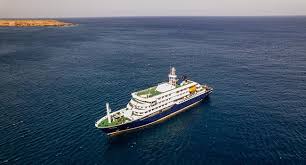
Health authorities are intensifying efforts to trace passengers exposed to hantavirus following an outbreak aboard the expedition cruise ship MV Hondius that has left three people dead and several others ill after the vessel travelled through remote regions of South America.
The outbreak has sparked an international response as passengers from the ship have already returned to countries including the UK, South Africa, the Netherlands, the United States and Switzerland.
According to health officials, three passengers died either while onboard or after leaving the ship, while four others were medically evacuated for treatment. The World Health Organization confirmed that eight cases linked to the vessel — three confirmed and five suspected — have so far been identified.
Despite the seriousness of the outbreak, the WHO stressed that the virus does not pose the same level of global threat as highly contagious respiratory diseases.
“This is not Covid, this is not influenza, it spreads very, very differently,” said Maria Van Kerkhove during a briefing on Thursday.
Experts believe the outbreak involves the Andes strain of hantavirus, one of the rare hantavirus strains capable of spreading between humans. However, officials say the risk of widespread international transmission remains low because the virus is far less contagious than illnesses such as COVID-19 or Measles.
Hantavirus infections are usually linked to rodents, with people becoming infected after inhaling virus particles from rodent urine, saliva or droppings. Investigators are still working to determine how the outbreak on board began.
The cruise had reportedly visited remote wildlife areas in South America, raising the possibility that a passenger may have been exposed to the virus before boarding or during excursions ashore.
Health experts say some of the cases on the ship may have resulted from close human contact in the vessel’s confined environment. Cruise ships often involve shared dining spaces, cabins and indoor facilities that can increase the risk of infection spreading among passengers.
Previous outbreaks involving the Andes strain in parts of Argentina and Chile have shown that human-to-human transmission can occur, although usually after prolonged close contact.
Symptoms of hantavirus often begin with fever, fatigue, headaches and muscle aches before progressing in severe cases to breathing difficulties and serious lung complications.
Authorities across several countries are now monitoring passengers and close contacts as part of efforts to prevent further spread while reassuring the public that the overall risk remains low.
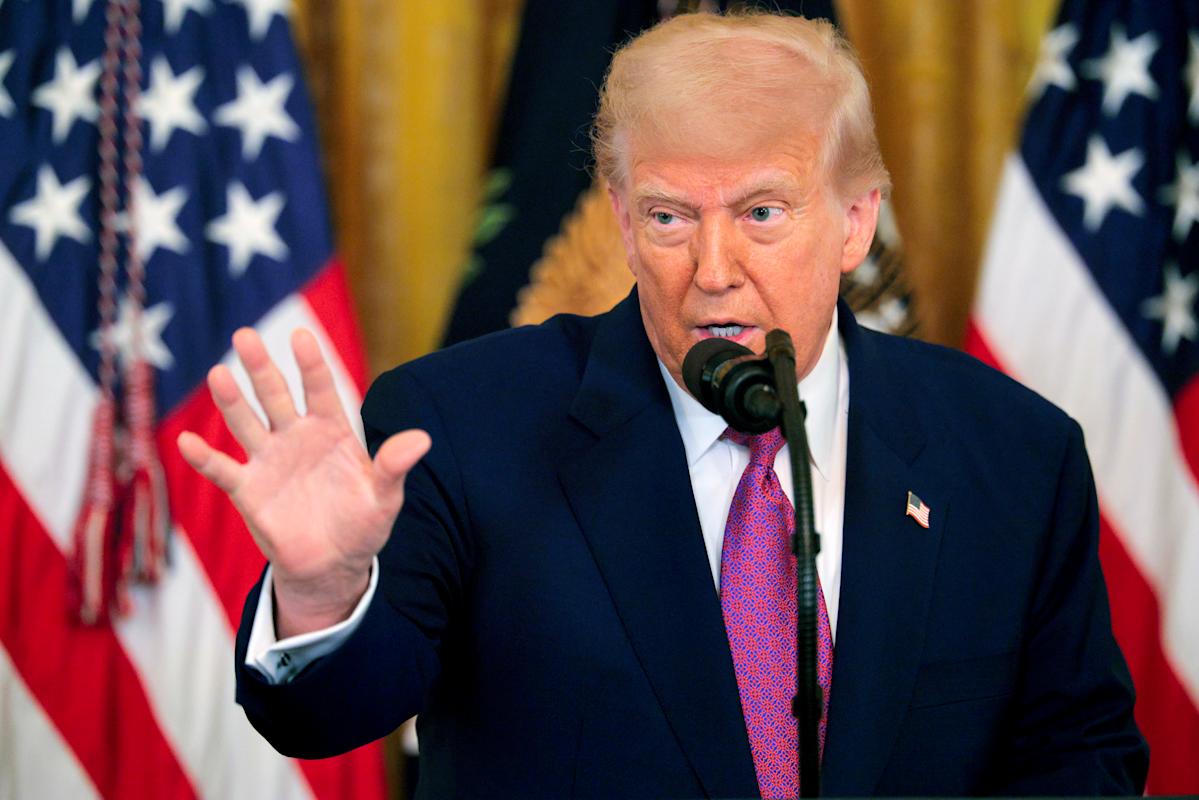
Donald Trump has announced a pause in a planned U.S. military operation aimed at escorting stranded commercial vessels through the Strait of Hormuz, just 50 hours after unveiling the initiative.
The operation, dubbed “Project Freedom,” had been introduced on Sunday as a response to escalating tensions with Iran, which has effectively restricted access to the vital waterway amid its conflict involving Israel.
The strait is one of the world’s most critical transit routes, carrying roughly 20% of global oil and gas supplies. Iran’s threats to vessels navigating the passage have driven sharp increases in oil prices and raised concerns about broader economic disruption.
However, in a post on Truth Social, Trump said the mission would be put on hold “for a short period of time,” without providing detailed reasoning for the sudden shift.
The decision came shortly after senior administration officials, including Defence Secretary Pete Hegseth, had publicly reinforced the plan, describing it as a demonstration of U.S. leadership and stability in safeguarding global commerce.
Reports from U.S. media outlets suggested that a potential diplomatic framework with Iran may be emerging, raising hopes that a negotiated solution could ease tensions and reopen the strait without military intervention.
Despite that, Trump signalled caution about the prospects of a deal, warning that any agreement remains uncertain.
In his latest comments, he said that assuming Iranian cooperation was “a big assumption,” adding that failure to reach a deal could lead to renewed military action at a level “much higher and intensity” than earlier operations, including Operation Epic Fury.
The abrupt pause has left the situation largely unchanged on the ground. More than 1,000 vessels remain stranded in the Gulf region, with crews still awaiting safe passage.


Shakira Unveils Official Song for 2026 World Cup Featuring Burna Boy

Valverde Hospitalised Following Alleged Clash With Tchouameni

Coroner Says Investigation Into Liam Payne’s Death Still Awaiting Evidence From Argentina


-

 News1 week ago
Aung San Suu Kyi Moved to House Arrest as Myanmar Military Announces Sentence Change
-
 News1 week ago
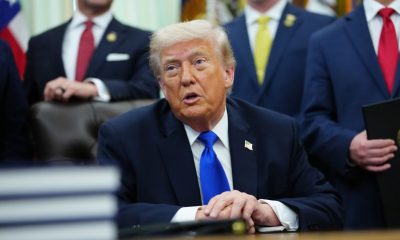
Trump Voices Fresh Frustration With Iran as War Powers Deadline Draws Near
-

 Entertainment1 week ago
Zayn Malik cancels US tour Plans After Hospital Recovery
-

 News1 week ago
Former FBI Director James Comey Charged Over Alleged Threat Against Trump
-

 General1 week ago
Stephen Fry Seeks Damages After Serious Fall at London Tech Conference
-
 News1 week ago
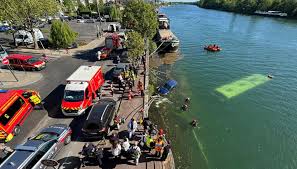
Trainee Bus Driver Rescued After Vehicle Plunges Into River Seine
-
 Business1 week ago
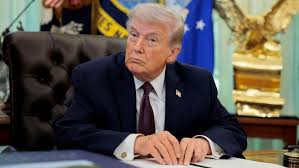
Trump Announces 25% Tariff on EU Cars
-
 News3 days ago
Second hantavirus case confirmed after deaths on Atlantic Cruise Ship