
General
Customs Warn Against Consumption of Smuggled Frozen Poultry from Benin

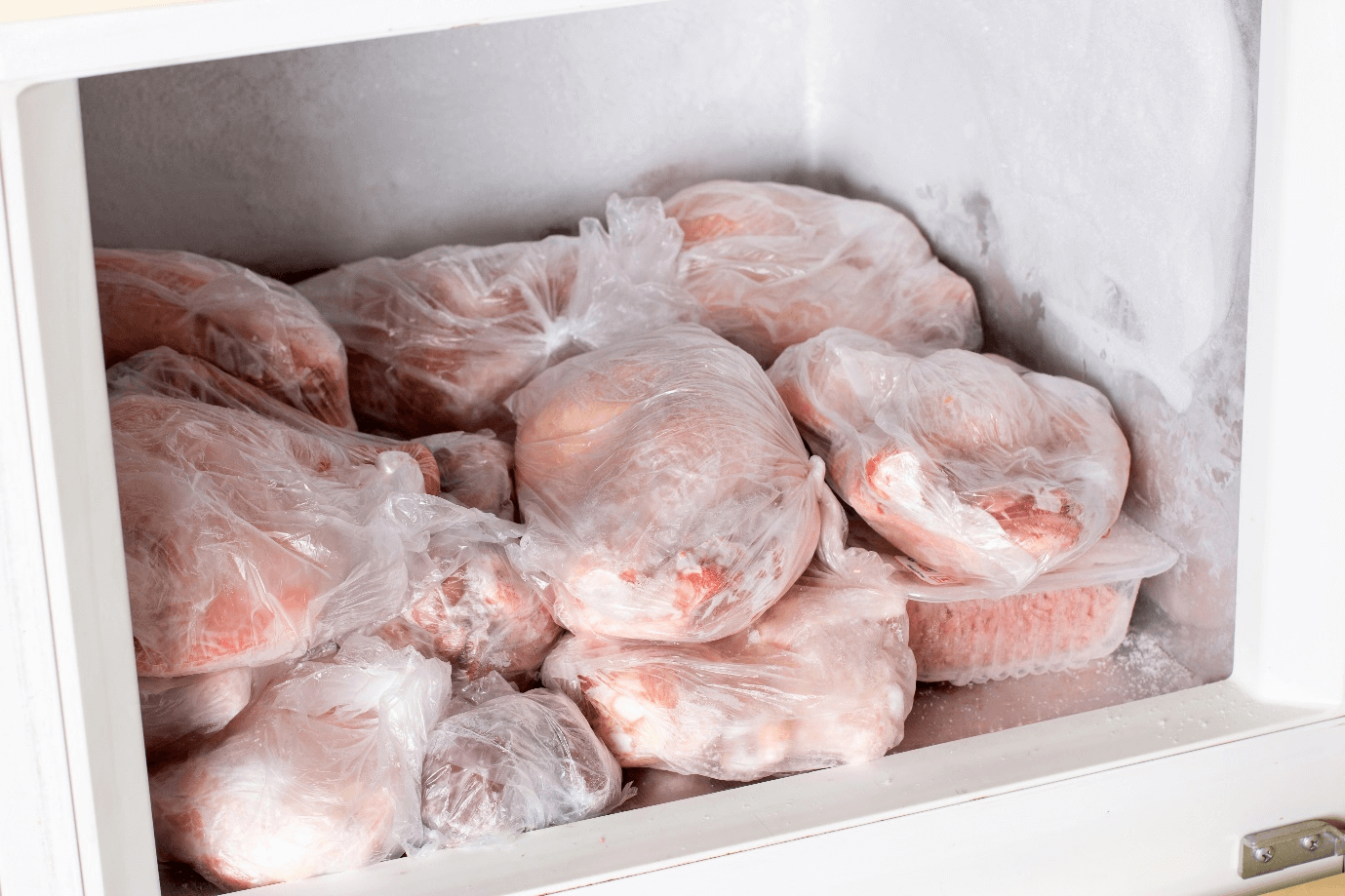
The Nigeria Customs Service, Ogun Area 1 Command, has issued a public warning about the health risks associated with the consumption of smuggled frozen poultry products from the Republic of Benin. Comptroller Mr. James Ojo highlighted the significant health dangers during an interview in Ota on Monday.
Mr. Ojo stressed that the World Health Organization, the Centre for Disease Control and Prevention, and the Food and Agriculture Organization of the United Nations have all identified adverse health effects from consuming smuggled frozen poultry products. These products often lack proper regulatory oversight and are preserved with harmful chemicals.
“The frozen poultry products smuggled into Nigeria from the Republic of Benin were preserved with chemicals and often lacked proper regulatory oversight, increasing the risk of harmful chemicals being used for preservation,” Ojo said.
He explained that these smuggled products might not meet the nutritional standards required for healthy consumption. Poor handling and preservation techniques can degrade the meat’s nutritional quality, potentially leading to deficiencies when consumed regularly. The use of unknown or banned chemicals in preserving smuggled poultry can also trigger allergic reactions in sensitive individuals.
Comptroller Ojo listed some of these harmful chemicals, including formaldehyde and other preservatives, which could cause acute and chronic health issues such as poisoning, cancer, and organ damage. He urged smugglers involved in this illicit trade to cease their activities, as the Customs Service remains committed to preventing banned goods from entering the country.
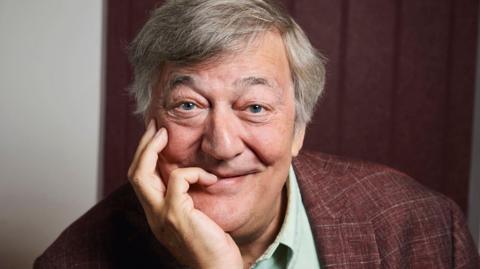
Stephen Fry has launched legal action against the organisers of a technology conference after suffering serious injuries when he fell off a stage following a keynote speech in London.
The broadcaster, actor and author is seeking up to £100,000 in damages after the accident at the CogX Festival, which took place at The O2 Arena in September 2023.
Sir Stephen, 68, said he sustained multiple injuries in the fall, including fractures to his leg, hip, pelvis and several ribs. He had been speaking at the event after being invited to deliver a keynote address focused on artificial intelligence.
Describing the incident at the time, he said: “So I broke my right leg in a couple of places and my hip and pelvis in four places and a bunch of ribs.”
He added that he felt fortunate the injuries were not even more severe, saying he had “praised my lucky stars” that he did not damage his spine or suffer a skull injury.
According to court documents filed on his behalf, Fry is bringing a personal injury claim against CogX Festival Ltd and Blonstein Events Ltd.
The filing states that after finishing his presentation and while leaving the stage through the backstage area, he fell approximately two metres from the stage onto the concrete floor below.
“The Claimant brings a claim for damages for personal injuries sustained on 14 September 2023 at the O2 Arena, London, whilst attending the CogX Festival where he had been engaged to deliver a talk on Artificial Intelligence,” the court documents state.
The legal action is focused on the circumstances surrounding the fall and whether sufficient safety measures were in place backstage at the venue.
Neither CogX Festival Ltd nor Blonstein Events Ltd has publicly responded to the claim so far.
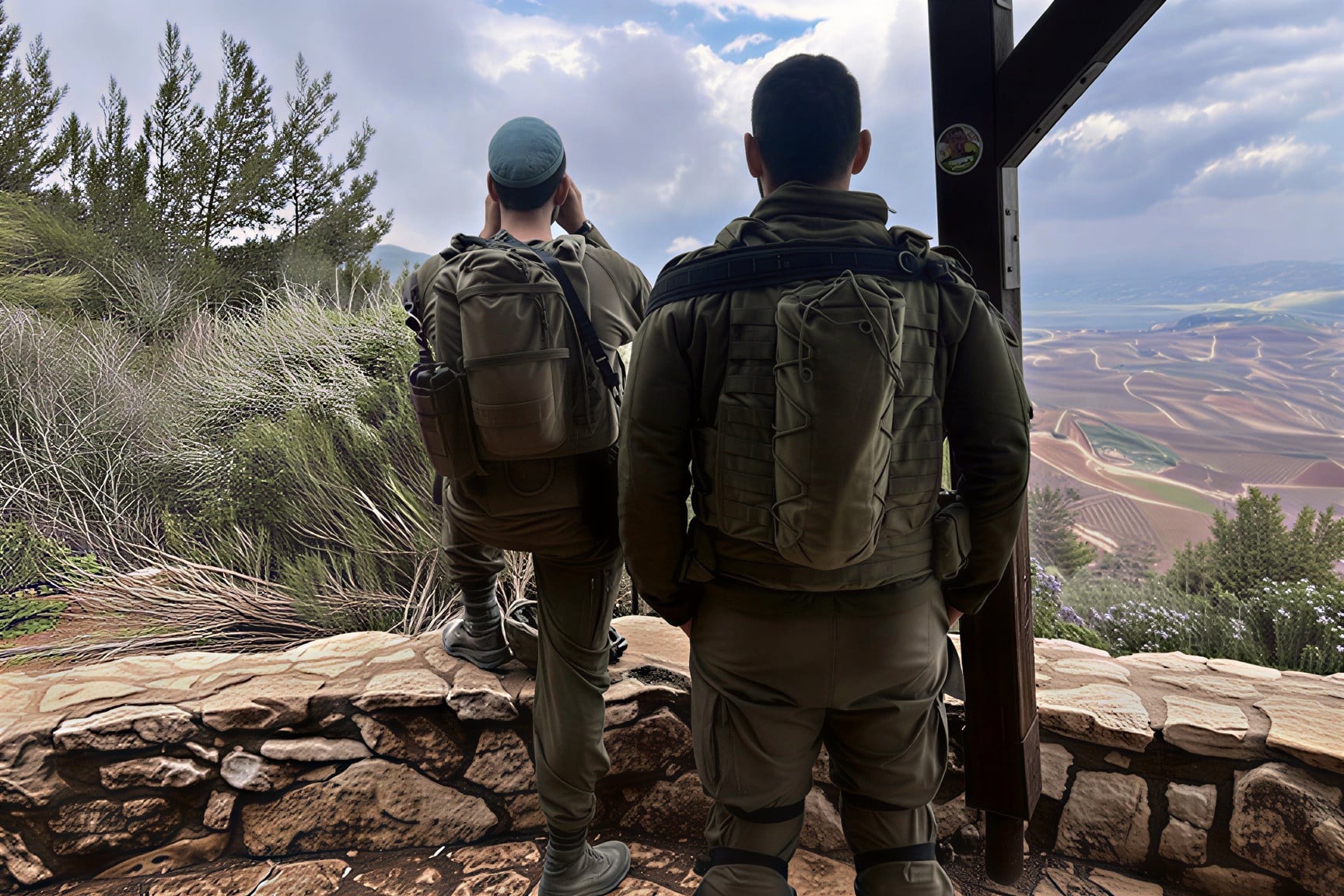
The Israel Defense Forces (IDF) has disciplined soldiers involved in the vandalism of a statue of Jesus in southern Lebanon, following widespread condemnation of the incident.
According to the IDF, the soldier who struck the statue with a sledgehammer, along with another who photographed the act, will each serve 30 days of military detention and be removed from combat duties. The military added that six additional soldiers present at the scene, who failed to intervene or report the incident, will face separate disciplinary action.
The incident occurred in the village of Debel, where an image of the damaged statue circulated widely online, sparking outrage both locally and internationally.
Israeli Prime Minister Benjamin Netanyahu said he was “stunned and saddened” by the act, as criticism mounted over the conduct of the troops.
In a statement, the IDF said its internal inquiry found the soldiers’ actions “completely deviated from IDF orders and values” and expressed “deep regret” over what happened. It added that the damaged statue had since been replaced in coordination with the local community.
The military emphasised that its operations in Lebanon are directed solely against militant groups, including Hezbollah, and not against civilians or religious sites.
Local leaders strongly condemned the act. Father Fadi Flaifel, head of the village’s congregation, described it as a desecration of a sacred symbol, saying it violated principles of respect and human rights.
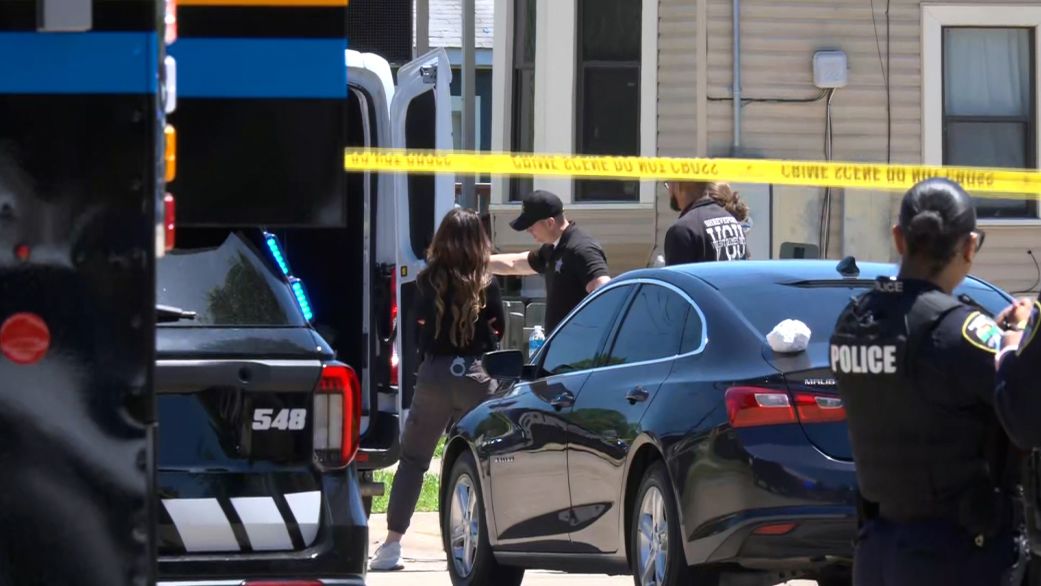
A man has shot dead seven of his own children and another child in a mass shooting in Shreveport, in what authorities have described as a domestic incident.
Police in the U.S. state of Louisiana said the suspect, identified as Shamar Elkins, opened fire early Sunday morning, killing eight children aged between one and 14 years old.
According to the Shreveport Police Department, the gunman shot a total of 10 people before fleeing the scene in a stolen vehicle. Two adult women, including the children’s mother, remain in critical condition.
Authorities said the suspect first shot a woman on the street before entering a nearby residence, where the children were killed. One of the victims managed to escape and alert emergency services, while another child reportedly jumped from a roof and was taken to hospital.
Police later pursued Elkins into a neighbouring area, where officers shot and killed him after he attempted to evade capture.
Officials have not confirmed a motive, but family members told U.S. media the suspect had been distressed following a separation from his wife and an impending court appearance related to their divorce.
Shreveport Mayor Tom Arceneaux described the incident as one of the most devastating in the city’s history. “This is a tragic situation – maybe the worst tragic situation we’ve ever had in Shreveport,” he said, adding that the entire community is mourning alongside the affected families.
The attack is the deadliest mass shooting in the United States since early 2024, according to the Gun Violence Archive, which defines a mass shooting as an incident in which four or more victims are shot, excluding the perpetrator.


Shakira Unveils Official Song for 2026 World Cup Featuring Burna Boy

Valverde Hospitalised Following Alleged Clash With Tchouameni

Coroner Says Investigation Into Liam Payne’s Death Still Awaiting Evidence From Argentina


-
 News1 week ago
Aung San Suu Kyi Moved to House Arrest as Myanmar Military Announces Sentence Change
-
 News1 week ago
Trump Voices Fresh Frustration With Iran as War Powers Deadline Draws Near
-
 News1 week ago
Former FBI Director James Comey Charged Over Alleged Threat Against Trump
-
 Entertainment1 week ago
Zayn Malik cancels US tour Plans After Hospital Recovery
-
 News1 week ago
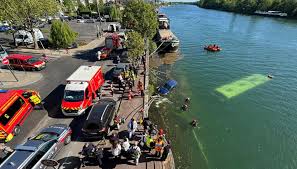
Trainee Bus Driver Rescued After Vehicle Plunges Into River Seine
-
 General1 week ago
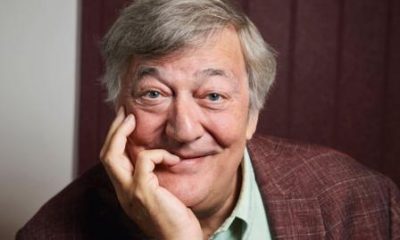
Stephen Fry Seeks Damages After Serious Fall at London Tech Conference
-
 Business1 week ago
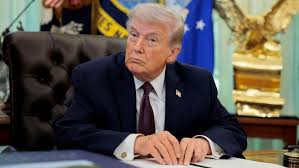
Trump Announces 25% Tariff on EU Cars
-

 News3 days ago
Second hantavirus case confirmed after deaths on Atlantic Cruise Ship