
News
NNPC to Sell Dangote Petrol at N1,019/Litre in Borno, N950 in Lagos

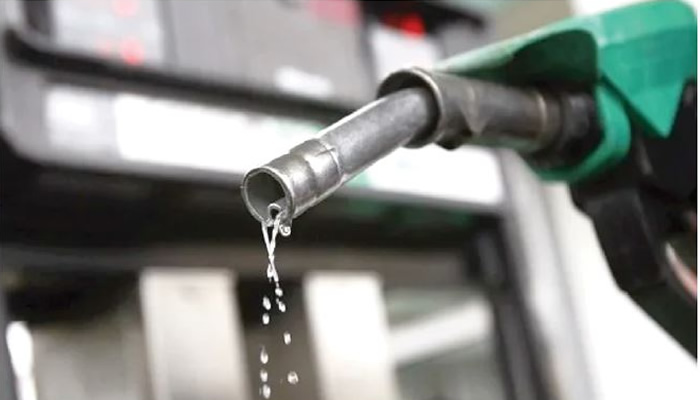
The Nigerian National Petroleum Company Limited (NNPC) has announced that petrol obtained from the Dangote Refinery will be sold at prices exceeding N1,000 per litre in certain parts of Nigeria, particularly in the far north.
In a statement released on Monday titled ‘NNPC Ltd Releases Estimated Pump Prices of PMS from Dangote Refinery Based on September 2024 Pricing,’ NNPC spokesperson Olufemi Soneye disclosed that petrol prices could reach as high as N1,019 per litre in Borno State. Other areas like Abuja, Sokoto, and Kano will see prices around N999.22 per litre. In southern states such as Oyo and Rivers, the price will be approximately N960 per litre, while Lagos and its surroundings will have the lowest price at N950 per litre.
Soneye clarified, “The NNPC Ltd also wishes to state that, in line with the provisions of the Petroleum Industry Act, PMS prices are not set by the government but are negotiated directly between parties at an arm’s length.”
He further noted that NNPC will pay the Dangote Refinery in U.S. dollars for the petrol offloaded in September 2024, with naira transactions set to commence on October 1, 2024. Additionally, Soneye stated that if there is a discount on the quoted prices, it will be fully passed on to the public.
These estimated pump prices from the Dangote Refinery will apply to NNPC retail stations across Nigeria, based on the September 2024 pricing model.





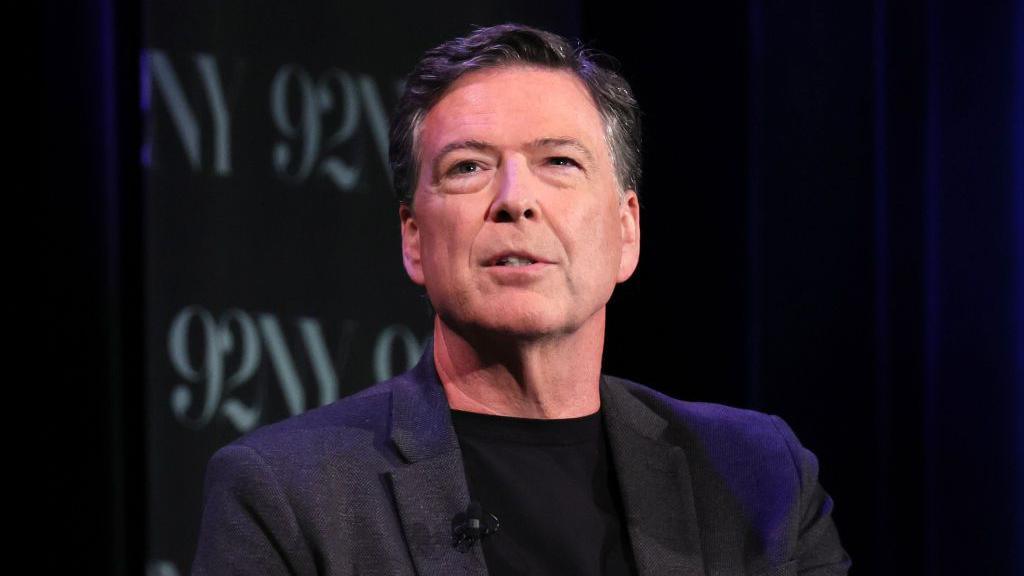
Former Federal Bureau of Investigation Director James Comey has been charged with threatening the life of Donald Trump, following renewed legal action linked to a social media post he briefly shared last year.
The charges stem from an image Comey posted on Instagram showing seashells arranged to form the numbers “86 47.” The phrase “eighty-six” is commonly used as slang meaning to remove, reject, or get rid of something, while Trump supporters and administration officials interpreted “47” as a reference to Trump as the 47th president of the United States.
Comey has strongly denied that the post was intended as a threat, maintaining that he did not understand the violent interpretation some people attached to the numbers. He later deleted the post and explained that he had assumed the shells represented a political message rather than anything more serious.
“I didn’t realise some folks associate those numbers with violence,” Comey said at the time. “It never occurred to me, but I oppose violence of any kind so I took the post down.”
Despite that explanation, Trump publicly dismissed the defense, saying, “a child knows what that meant,” and senior administration figures pushed for further investigation.
Acting U.S. Attorney General Todd Blanche said on Tuesday that the case would be treated seriously despite the high-profile nature of the defendant.
“While this case is unique, and this indictment stands out because of the name of the defendant, his alleged conduct is the same kind of conduct that we will never tolerate and that we will always investigate and regularly prosecute,” Blanche said.
Both felony counts against Comey carry a maximum prison sentence of 10 years each.
The case follows an earlier indictment brought in September, when the Justice Department accused Comey of lying to Congress over alleged press leaks and obstructing a congressional proceeding. However, that case was dismissed two months later after a federal judge ruled that the interim prosecutor who brought the charges had been improperly appointed.
U.S. District Judge Cameron Currie ruled that prosecutor Lindsey Halligan was not legally authorised to present the case to a grand jury, making the indictment invalid. Halligan, a former White House aide, had never previously prosecuted a case.
The judge left open the possibility for the government to refile charges, a possibility Comey himself acknowledged at the time.
“I believe Trump will probably come after me again,” he said following the dismissal.
Comey, who was fired by Trump during his first term while leading the investigation into Russian interference in the 2016 U.S. presidential election, has remained a frequent political target of the president ever since.
In a related legal development, another federal judge ruled on Tuesday that former federal prosecutor Maurene Comey, James Comey’s daughter, can proceed with her legal challenge against her dismissal by the Trump administration, adding another layer to the ongoing tensions between the Comey family and the White House.
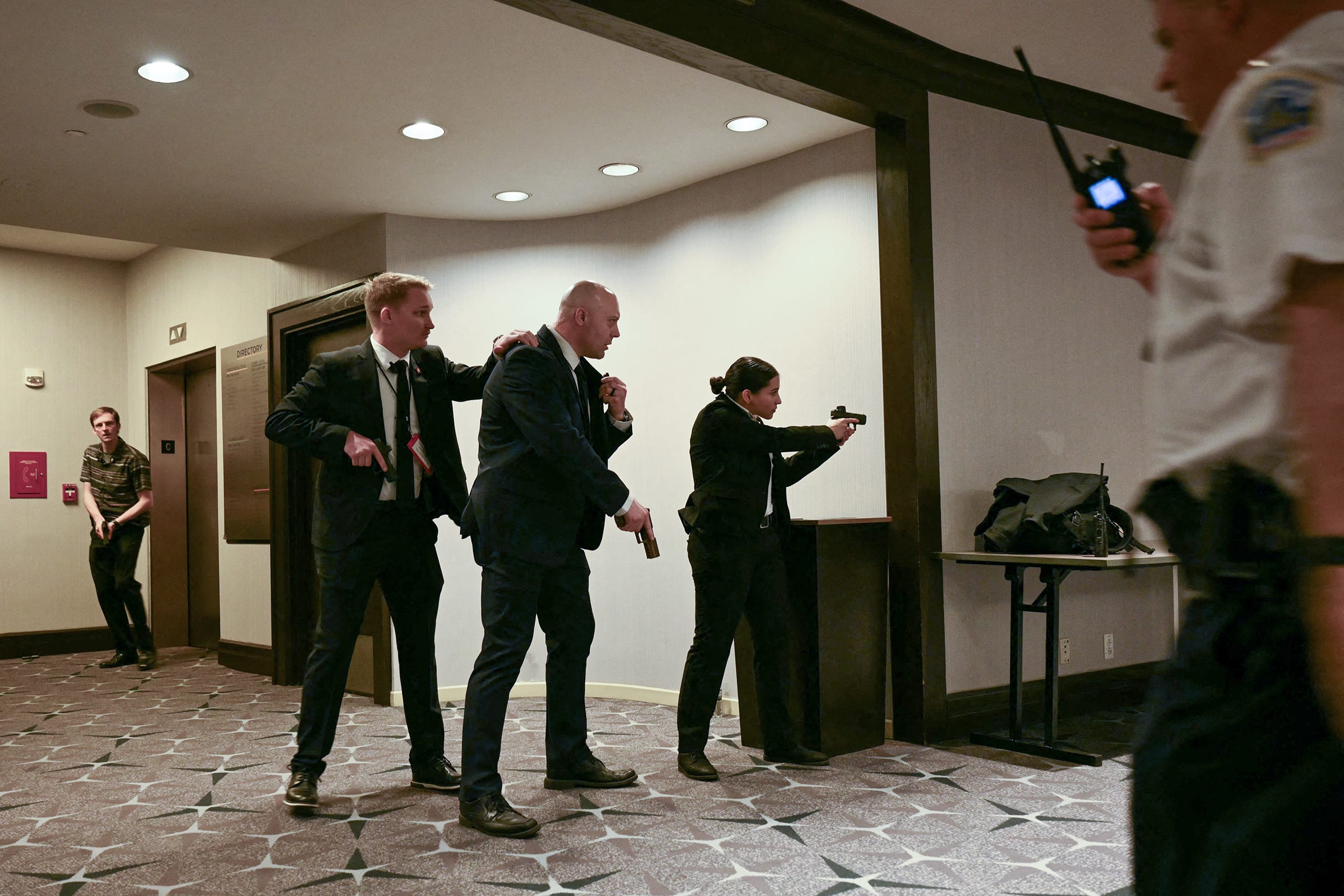
Cole Tomas Allen, the 31-year-old suspect accused in the shooting at the White House Correspondents’ Dinner, is expected to appear in federal court as formal charges against him are read out in what marks the next stage of the legal process.
The hearing is expected to be largely procedural, but it could offer the first public indication of how Allen plans to respond to the charges, either through a statement from him or from his legal representative. Prosecutors may also provide further details about the case and whether additional charges will be filed.
Allen has been charged with using a firearm during a crime of violence and assault on a federal officer using a dangerous weapon, according to Jeanine Pirro. She stated on Saturday night that more charges could be added as the investigation continues.
US officials identified Allen, from Torrance, California, as the suspect in the shooting that took place during the White House Correspondents’ Dinner event. Authorities say the incident happened near a security checkpoint while high-ranking government officials, including Donald Trump, were attending the gathering.
A Secret Service officer was reportedly struck in a bullet-resistant vest during the incident and is expected to recover. Trump and other senior officials were safely removed from the area, and the White House later said the president “stands by” the United States Secret Service following the shooting.
Allen reportedly describes himself on LinkedIn as a mechanical engineer, game developer and teacher. He is said to have graduated from California State University in 2025 with a master’s degree in computer science.
US media have also reported a history of anti-Trump posts linked to Allen on social media platforms. A document described as a manifesto has reportedly been connected to an X account using his name, while another account on Bluesky with the same name included posts expressing frustration about the country’s political direction.
One post from November 2024 reportedly indicated support for Kamala Harris during the presidential election, while another post in January suggested growing political anger and calls for action.
Investigators are continuing to examine the online activity and writings linked to Allen as part of the broader case. The court appearance is expected to provide more clarity on the prosecution’s next steps and the full scope of the charges he may face.
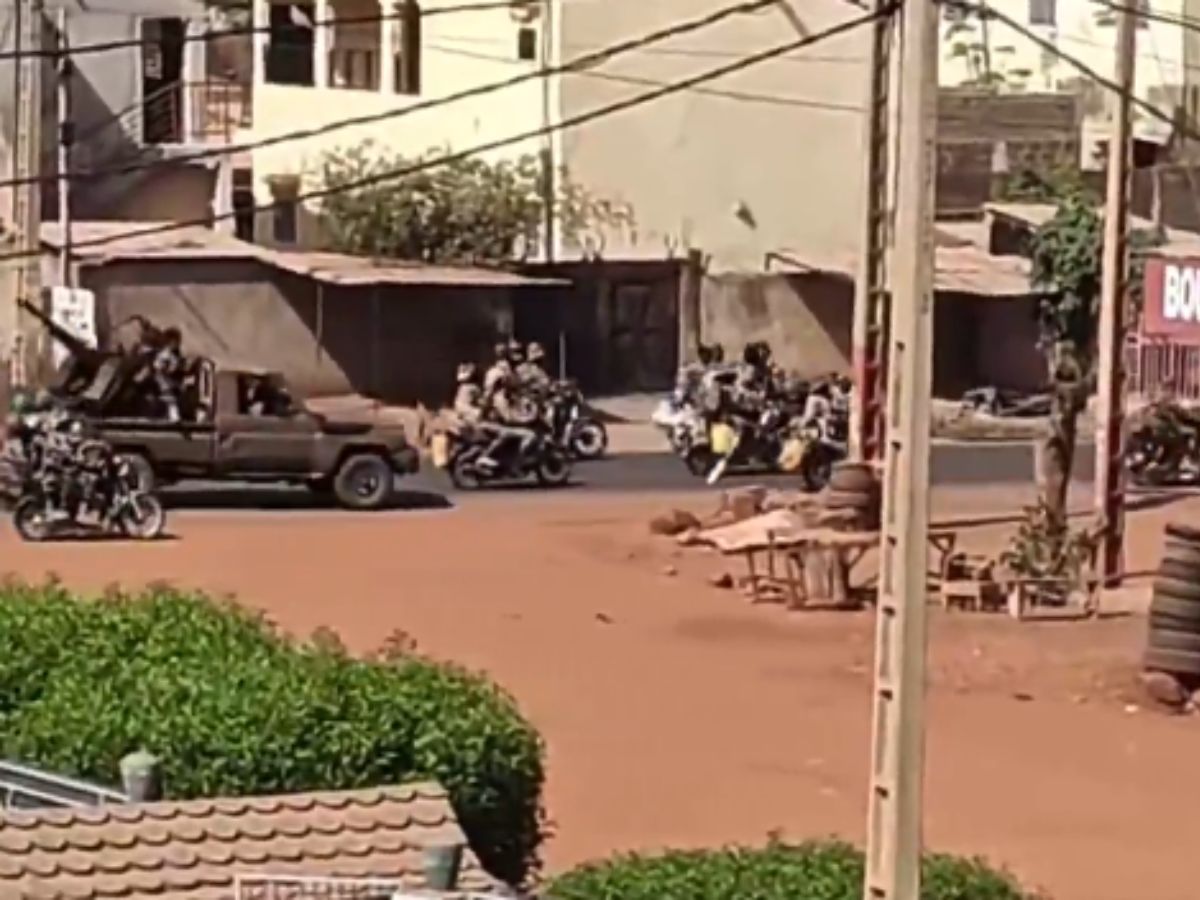
Mali has been hit by a wave of coordinated attacks after explosions and sustained gunfire were reported in the capital, Bamako, as well as several northern and central regions of the country.
The military confirmed on Saturday that active fighting was underway, stating that defence and security forces were engaged in repelling attackers. Authorities described those behind the assaults as unidentified “terrorist groups” and said efforts were ongoing to restore full control.
Witnesses said that loud explosions and heavy gunfire were heard around Kati, which hosts one of Mali’s major military bases just outside the capital. Security forces reportedly deployed soldiers to seal off roads in the area and tighten movement restrictions.
Additional attacks were reported in the northern cities of Gao and Kidal, as well as Sévaré in the country’s central region. Analysts have described the violence as one of the largest coordinated militant offensives Mali has experienced in recent years.
The country has long faced instability from insurgent violence involving jihadist groups linked to Al-Qaeda and Islamic State, alongside separatist movements in the north.
Early reports suggest the separatist Azawad Liberation Front (FLA), which seeks an independent Tuareg state, may have concentrated its operations in northern cities. At the same time, the jihadist group Jama’at Nusrat al-Islam wal-Muslimin (JNIM) is believed to have launched simultaneous strikes across several locations nationwide.
Although military officials said the situation was under control, unconfirmed reports indicate that clashes may still be continuing in some areas. While some residents described relative calm in parts of Bamako, others reported ongoing gunfire and heightened security presence.
Checkpoints were established on roads leading to Bamako’s international airport, with security personnel conducting vehicle searches. One resident returning from Ethiopia said flights into the city had been cancelled early on Saturday, though the full operational status of the airport remains unclear.
The UK Foreign Office has advised against all travel to Mali following the attacks and said Bamako International Airport had been temporarily closed.
Ulf Laessing, who leads the Sahel programme at the Konrad Adenauer Foundation in Mali, described the incident as the largest coordinated jihadist assault the country has seen in years.
The United States Department of State’s Africa bureau strongly condemned the violence, offering condolences to victims and reaffirming support for the Malian government and its people. Meanwhile, the U.S. Embassy urged American citizens in the country to shelter in place and avoid travel due to security concerns around the airport and Kati.


Former FBI Director James Comey Charged Over Alleged Threat Against Trump

Anthony Joshua signs deal to fight Fury

Manchester United Move Closer to Champions League Return with Important Win Over Brentford


-

 General1 week ago
Father Kills Eight Children in Louisiana Mass Shooting, Police Say
-
 News1 week ago
Iran says reopening Strait of Hormuz ‘impossible’ amid US blockade
-
 News1 week ago
Warsh Says He Won’t Be Trump’s ‘Sock Puppet’ in Fed Role Amid Rate Debate
-
 News6 days ago
Hundreds of Wildfires Rage Across Florida and Georgia, Forcing Evacuations
-

 Entertainment6 days ago
MrBeast’s Company Faces Lawsuit Over Sexual Harassment Allegations
-

 Entertainment1 week ago
Singer D4vd Pleads Not Guilty to Murder Charges in Teen’s Death
-
 Sports1 week ago
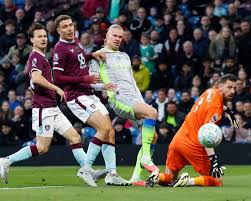
Manchester City Go Top as Burnley Relegated After Turf Moor Defeat
-
 General1 week ago
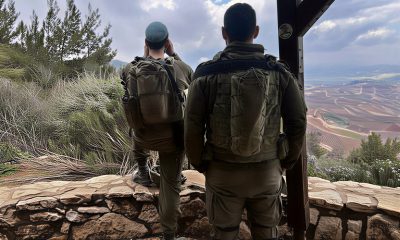
Israeli Soldiers Punished Over Vandalism of Jesus Statue in Lebanon